
Cochise County, Arizona
Cochise County is a southeastern Arizona county named for Apache leader Cochise; its seat is Bisbee and it includes Sierra Vista, Tombstone and Fort Huachuca, with a history of mining and frontier events.

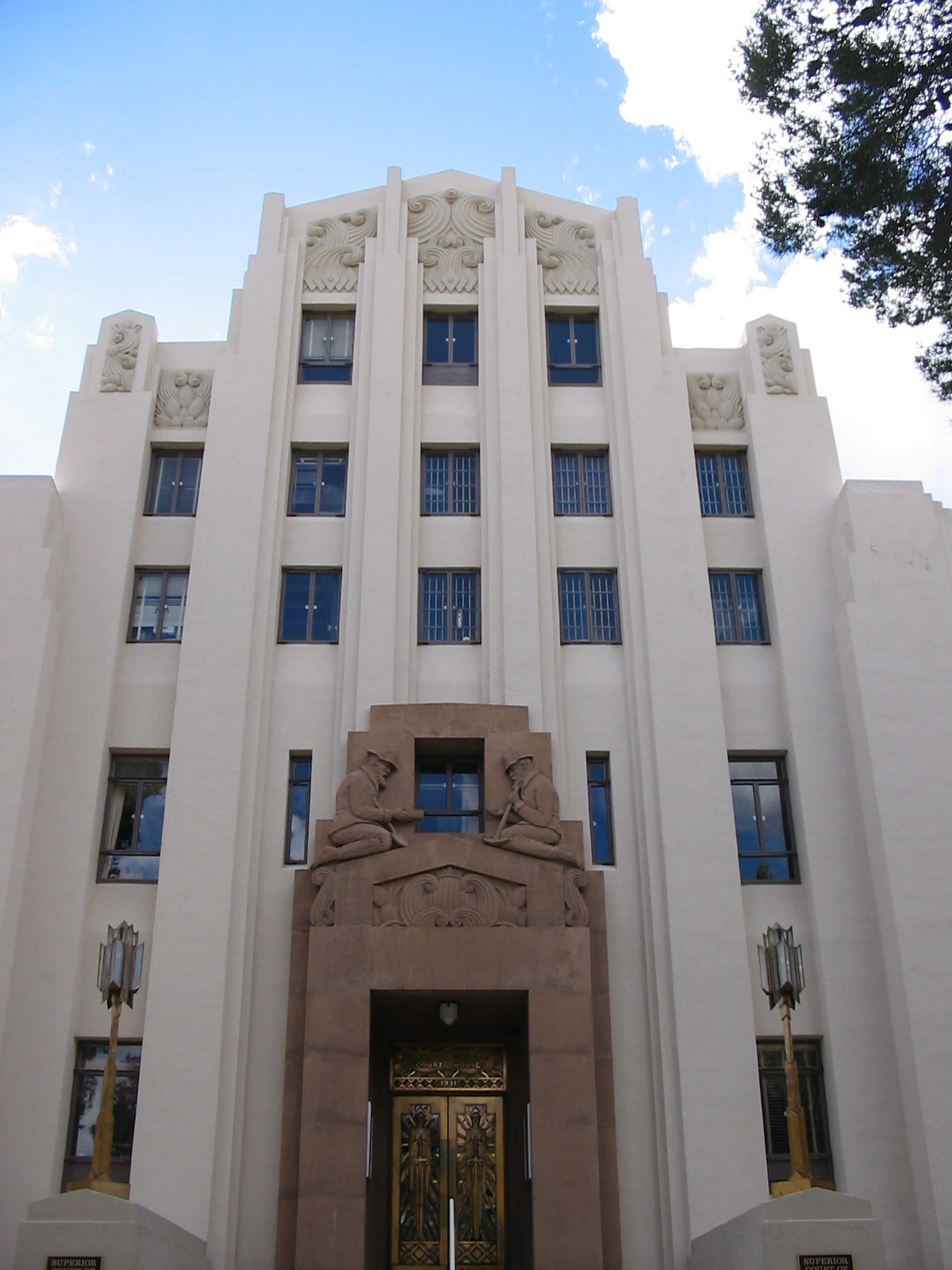
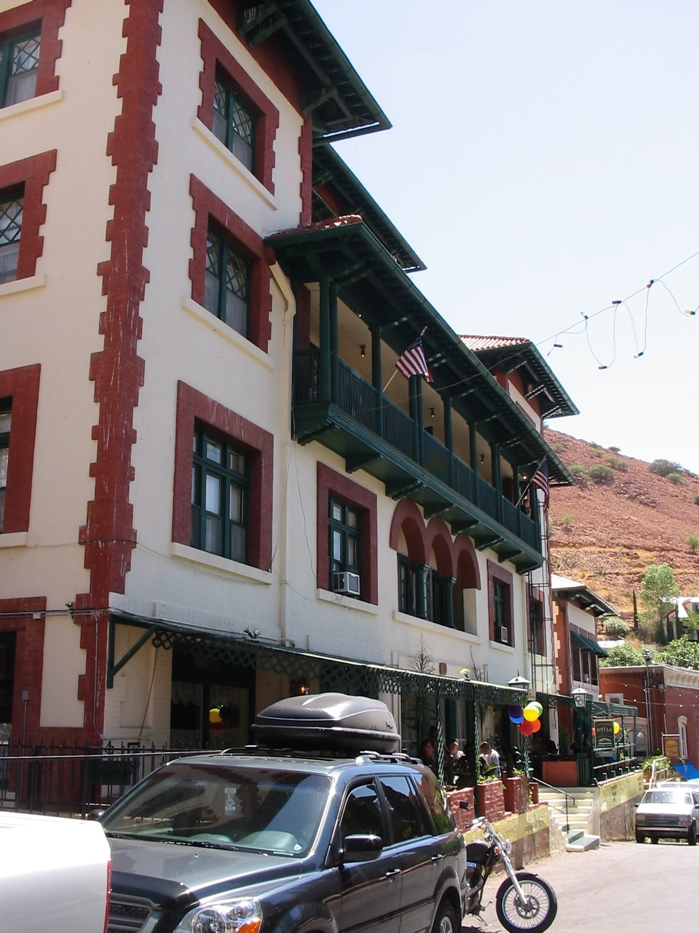
Cochise County lies in the southeastern corner of Arizona in the United States. As recorded by the 2010 census, the county had 131,346 residents. The county seat is Bisbee, a former mining town, and nearby historic communities such as Tombstone draw visitors for their Old West associations.
Image gallery
8 Images



Overview and landscape
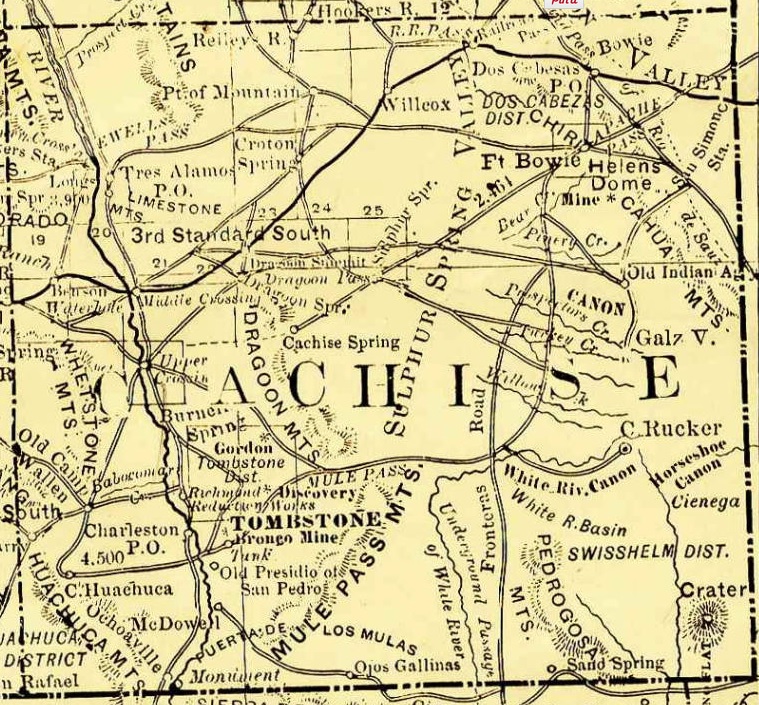
Cochise County covers a mix of desert basins, riparian corridors and several mountain ranges including the Huachuca, Chiricahua and Dragoon Mountains. It borders the Mexican state of Sonora to the south and adjoins New Mexico to the east. Elevation and rainfall vary widely across the county, producing a range of ecosystems from Sonoran Desert scrub to oak and pine woodlands at higher altitudes.
The county’s geography shaped its economy and settlement: natural mineral deposits led to extensive copper and ore mining, while rivers such as the San Pedro support agriculture and important bird habitats. Modern transportation corridors and Interstate routes connect towns and military installations to larger regional centers.
History and development
Formed in the late 19th century and named for the Chiricahua Apache leader Cochise, the county played a central role in frontier history. Bisbee and nearby mines powered economic growth; Tombstone became infamous for 1880s lawlessness and the gunfight at the O.K. Corral. Fort Huachuca, established to protect settlers and later expanded, remains an active U.S. Army post and a major local employer.
Communities and significance
- Sierra Vista — the largest city and home to Fort Huachuca.
- Bisbee — county seat and historic mining center.
- Tombstone — tourist destination for Old West history.
- Douglas, Willcox, Benson — towns with agricultural, rail and cross‑border ties.
Today Cochise County balances heritage tourism, military presence, agriculture and conservation. Its mix of historical sites, varied landscapes and border location make it notable within Arizona for both cultural history and natural diversity.
Tags
Related articles
Author
AlegsaOnline.com Cochise County, Arizona Leandro Alegsa
URL: https://en.alegsaonline.com/art/21318