
Commonwealth Liberal Party (Australia, 1909–1917)
A centrist-conservative fusion of non-Labor parties formed in 1909 in Australia; led by Alfred Deakin and Joseph Cook, it merged with National Labor in 1917 to form the Nationalist Party.
Overview
The Commonwealth Liberal Party (CLP) was an Australian political party that existed from 1909 until 1917. Often called the "Fusion" or the "Deakinite Liberal Party," it brought together two non-Labor groupings to create a single parliamentary opposition to the Australian Labor Party. The CLP is recognised as a principal antecedent of the later non-Labor tradition in Australia and a direct institutional predecessor of parties that eventually evolved into the modern Liberal Party.
Image gallery
7 Images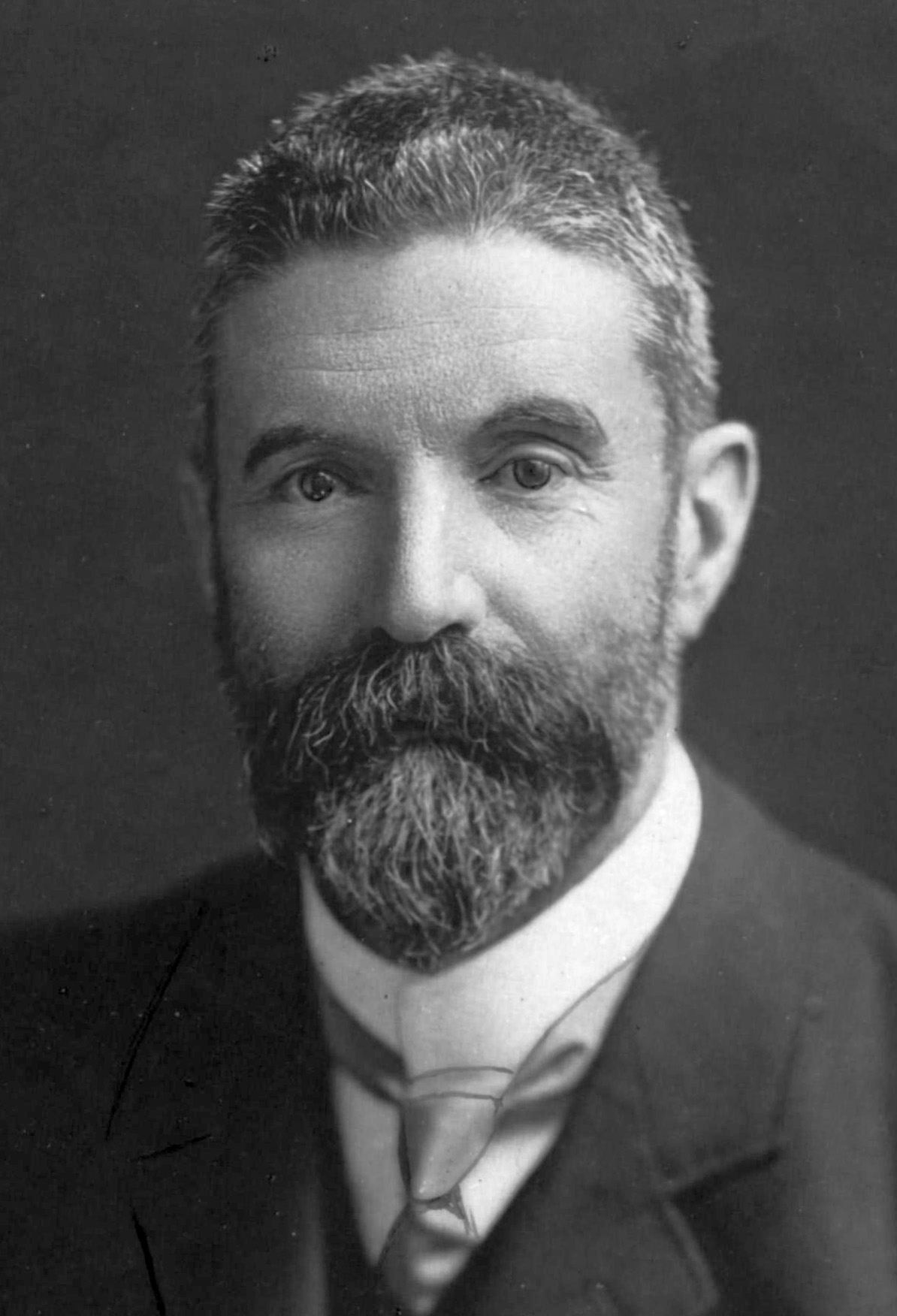
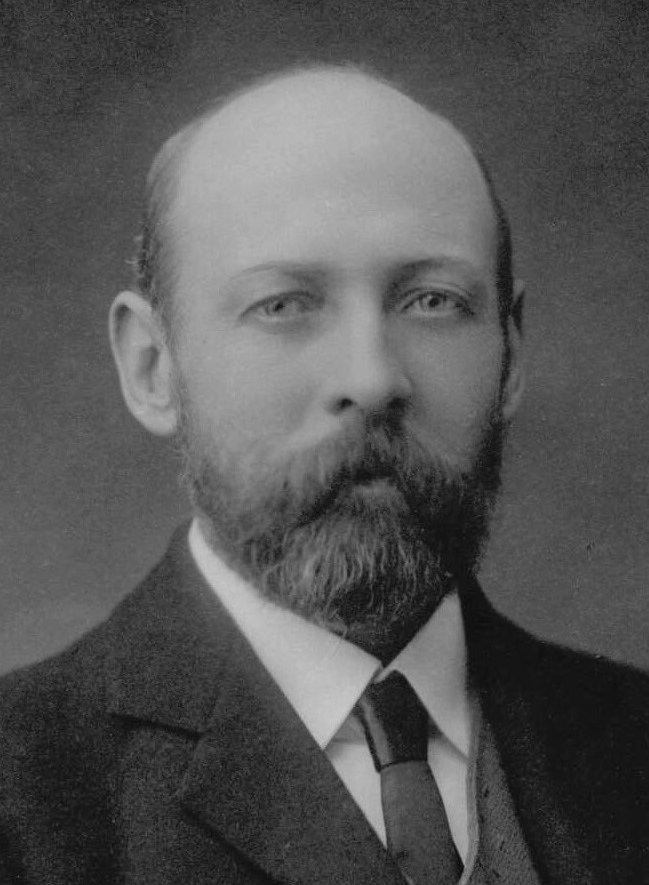


Origins and composition
The CLP arose from a practical coalition of the Protectionist tradition and the anti-socialist forces who saw electoral advantage in uniting against an increasingly organised Labour movement. Alfred Deakin, leader of the Protectionist Party, negotiated the fusion with the Anti-Socialist ranks led by Joseph Cook. The merged party combined members from business, rural interests and moderate urban liberals, while some more progressive Protectionists instead joined the Australian Labor Party.
Structure and policy tendencies
Rather than forming around a single, coherent ideology, the CLP represented a pragmatic alignment of interests: support for protective tariffs in some quarters, commitment to free enterprise, and a shared opposition to socialist policies then associated with the Labour movement. Its parliamentary strength in the House of Representatives enabled it to challenge Labor governments and to present a united opposition in federal contests. Leadership settled initially on Deakin as prime ministerial figurehead with Cook as his deputy.
Key events and electoral history
Shortly after fusion, the new party used its parliamentary majority to bring down the Labor government led by Prime Minister Andrew Fisher, allowing Deakin to serve a third term as head of government. The CLP's unity proved fragile at the polls: it lost the 1910 federal election to Labor. In 1913 Cook succeeded Deakin as leader and narrowly won government in that year's election, holding office by a single seat.
In 1914 a dispute over industrial legislation — notably a bill that sought to alter what the CLP described as special treatment for trade union members — led to a confrontation with the Senate. After the upper house twice rejected the measure, Cook secured a double dissolution election, the first used under the federal constitution; the CLP was decisively defeated and Labor returned to power.
Merger and legacy
The strains of World War I and the conscription debate reshaped party alignments. In 1916 Prime Minister Billy Hughes split from the Australian Labor Party over the issue of conscription during World War I, forming a short-lived National Labor Party. In February 1917 the CLP and National Labor formally united to create the Nationalist Party of Australia, with Hughes as leader and Joseph Cook as his deputy. The merger marked the end of the Commonwealth Liberal Party as an independent organisation but set the institutional groundwork for later centre-right formations.
Significance and distinctions
The CLP is historically important for consolidating anti-Labor forces into a single national party for the first time after federation. It was not a simple continuation of today's Liberal Party: its policy mix reflected early 20th-century debates over tariff protection, state intervention and labour relations rather than the later mid-20th-century liberal-conservative synthesis. To avoid confusion with the modern party established in 1944, historians often use the term "Deakinite Liberal Party" when referring to the CLP.
Timeline and notable figures
- 1909: Protectionists and Anti-Socialists agree to the Fusion; Alfred Deakin becomes leader.
- 1910: Defeated by the Australian Labor Party at the federal election.
- 1913: Joseph Cook leads the party to a narrow victory.
- 1914: First federal double dissolution election; CLP defeated after industrial legislation disputes (industrial bill controversy).
- 1917: Merger with National Labor to form the Nationalist Party.
The Commonwealth Liberal Party's short existence belies its long-term influence: by uniting centre and right-wing anti-Labor forces it helped create the political landscape of non-Labor politics in Australia for much of the 20th century.
Questions and answers
Q: What was the Commonwealth Liberal Party?
A: The Commonwealth Liberal Party (CLP) was a political party in Australia from 1909 to 1917. It was also known as The Fusion, or the Deakinite Liberal Party and is the earliest direct ancestor of the modern Liberal Party of Australia.
Q: How did the CLP come into being?
A: After the Australian Labor Party formed its second government in 1908, business leaders told Alfred Deakin, leader of the Protectionist Party, and Joseph Cook, leader of the Anti-Socialist Party, to join forces to oppose Labor. In 1909, they joined together to form the CLP.
Q: Who were some members who left and joined Labor?
A: Several of the more liberal Protectionists left and joined Labor when it formed its second government in 1908.
Q: Who became Prime Minister after CLP's formation?
A: After forming their new party with a majority in House of Representatives seats, they forced Andrew Fisher to resign and Alfred Deakin became Prime Minister for his third time.
Q: What happened at their first election?
A: At their first election less than a year later in 1910, CLP was defeated by Labor.
Q: What event led up to an early election for 5 September 1914?
A: When Joseph Cook took over from Alfred Deakin shortly before 1913 election he won government by a single seat but then introduced a bill removing special treatment for union members which he knew would be rejected by Senate twice so that he could call an early election on 5 September 1914 - this was called double dissolution election in Australia.
Q:What happened after World War I began?
A:In November 1916 ,the CLP made a deal with Prime Minister Billy Hughes who had been forced to leave ALP for supporting conscription during WWI .He set up National Labor Party and then both parties merged together to form Nationalist Party of Australia with Hughes as leader and Cook as deputy leader.
Related articles
Author
AlegsaOnline.com Commonwealth Liberal Party (Australia, 1909–1917) Leandro Alegsa
URL: https://en.alegsaonline.com/art/22040
Sources
- adb.online.anu.edu.au : Australian Dictionary of Biography - Alfred Deakin
- adb.online.anu.edu.au : Australian Dictionary of Biography - Joseph Cook