
Claudette Colvin: Teen Activist and Early Figure in the Montgomery Bus Desegregation Cases
Claudette Colvin, arrested at 15 for refusing to give up her bus seat in Montgomery, Alabama, was an important early figure whose case contributed to the legal end of segregation on public buses.
Overview
Claudette Colvin (born September 5, 1939) is an American civil rights figure best known for refusing to give up her seat on a segregated Montgomery, Alabama, bus while she was a teenager. Her act of resistance in 1955 and the legal actions that followed became part of the legal foundation for ending racial segregation on public transportation in Montgomery. Although she did not become as widely recognized as some contemporaries, historians consider her contribution important to the movement that culminated in a federal ruling against bus segregation.
Image gallery
3 Images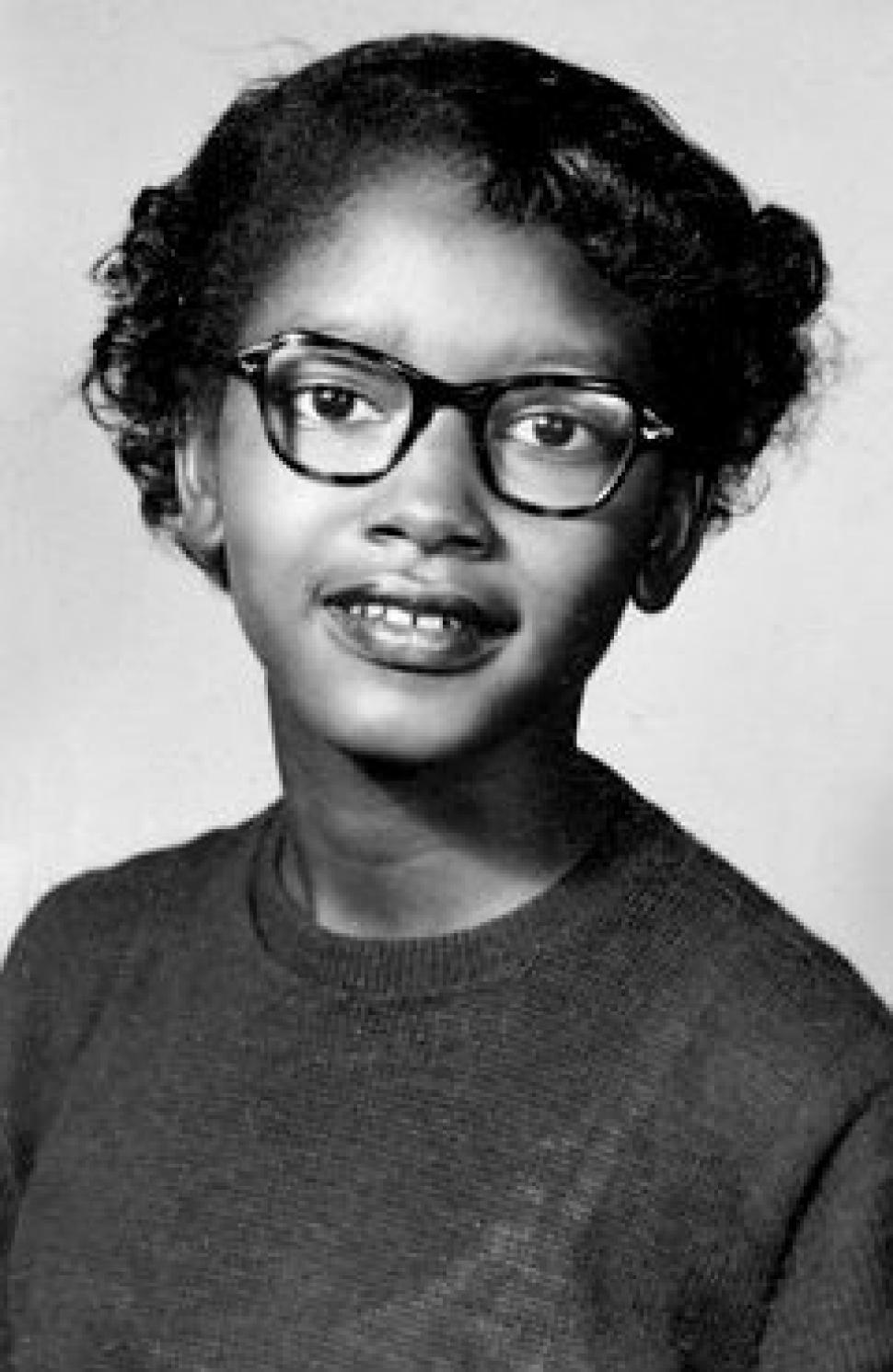


Background and early life
Colvin was born in Birmingham and raised in Montgomery. She came of age in the segregated Jim Crow South and was active with local youth groups that opposed discriminatory practices. As a young member of the NAACP's youth activities, she developed the legal and moral arguments that would inform her refusal to give up a bus seat. Her youth and direct experience of daily discrimination shaped her early activism.
The arrest and legal consequences
On March 2, 1955, at about 15 years old, Colvin declined to yield her bus seat to a white passenger and was arrested. She faced criminal charges under the local segregation ordinance and was found guilty, receiving probation. The incident subjected her to public harassment and personal difficulties, including stigmatization in her community. Local civil rights organizers recorded her statement and identified her as someone who could help challenge segregation in court.
Browder v. Gayle and national impact
Colvin became one of several plaintiffs who challenged Montgomery's transportation segregation laws in federal court. The case that ultimately produced a nationwide legal precedent was Browder v. Gayle; it relied on the participation of multiple African American women who had been arrested or affected by bus segregation. In 1956 a federal court ruled that bus segregation in Montgomery violated the Constitution, and that decision was later upheld by higher courts. The legal victory was central to the Montgomery Bus Boycott and helped end legal segregation of public buses.
Recognition, later life, and why she is less known
Unlike some others associated with the bus boycott, Colvin did not become the movement's public symbol. Movement leaders and organizers chose to highlight figures they judged likely to attract sympathetic coverage and broad support. Because Colvin was young and faced personal challenges that organizers feared would distract from a unified message, she received less public attention at the time. She moved to New York in the late 1950s and worked as a nursing assistant. In later decades scholars, journalists, and community advocates brought renewed attention to her role in the civil rights struggle, and she has received increasing acknowledgement in histories of the period.
Key facts and timeline
- Born: September 5, 1939, in Birmingham, Alabama.
- Raised: Grew up and attended school in Montgomery, Alabama.
- Arrest: Refused to give up a bus seat and was arrested in March 1955.
- Legal contribution: Named as one of the plaintiffs whose experiences helped build the Browder v. Gayle case against bus segregation.
- Later life: Relocated to New York City in the late 1950s and worked in health care.
Further reading and sources
- Biographical detail: early life in Birmingham and Montgomery
- Montgomery context and community background
- Account of the arrest and immediate aftermath
- Court records and trial information
- Charges filed and legal statutes cited
- Local segregation ordinances in mid‑20th century Alabama
- Browder v. Gayle: the federal lawsuit challenging bus segregation
- Impact: how the case ended segregation on Montgomery buses
- Public transportation and civil rights in the 1950s
- NAACP Youth Council and youth activism
- Educational and personal consequences following the arrest
- Life after Montgomery: relocation to New York
- Later recognition and retrospective accounts
Related articles
Author
AlegsaOnline.com Claudette Colvin: Teen Activist and Early Figure in the Montgomery Bus Desegregation Cases Leandro Alegsa
URL: https://en.alegsaonline.com/art/20814
Sources
- biography.com : "Claudette Colvin Biography"
- npr.org : "Before Rosa Parks, A Teenager Defied Segregation On An Alabama Bus"