
Clandestine in Chile: García Márquez's account of Miguel Littín's secret return
1986 nonfiction by Gabriel García Márquez documenting filmmaker Miguel Littín's covert visit to Pinochet's Chile; a literary-reportage exploration of exile, censorship, and resistance.
Clandestine in Chile is a nonfiction narrative published in 1986 by Nobel Prize winner Gabriel García Márquez. Written after extensive interviews, the work reconstructs the clandestine mission of Chilean director Miguel Littín, who returned to his homeland under a false identity to film life under dictatorship. The book blends factual reporting with literary prose and is often classified as literary journalism.
Image gallery
2 Images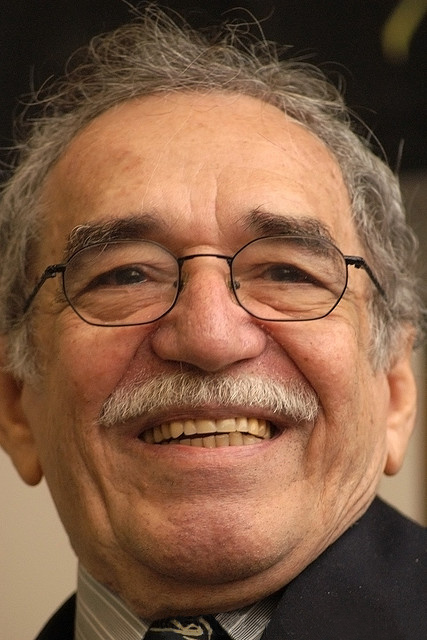

Synopsis and form
The narrative follows Littín's carefully planned entry, the networks that supported him, and the practical and moral risks of making a film in secret. García Márquez records conversations, logistics, and the tense atmosphere of surveillance, conveying both the concrete chronology of events and the subjective impressions of exile and return. The original Spanish edition appeared to Spanish-speaking audiences and was subsequently translated into other languages.
Historical background
The story takes place against the backdrop of the military government and repression that followed the 1973 coup. García Márquez situates Littín's operation within the broader politics of censorship and human-rights violations associated with the Chilean dictatorship, making links between artistic expression and civic resistance. The account refers to the regime of Augusto Pinochet and the ways exile reshaped Chilean cultural life, an episode widely discussed in studies of Latin American history and dissent (context).
Significance and themes
The book explores recurring themes: exile and identity, secrecy and surveillance, the ethics of documentary work, and the capacity of art to register political truth. García Márquez's role as chronicler reflects his wider interest in political events; readers can find connections to his journalistic pieces and to other reportage by Latin American writers (author background).
- Genre: literary reportage combining interview, memoir, and reconstruction.
- Subjects: clandestine filmmaking, exile networks, censorship.
- Legacy: regarded as an important contemporary document on cultural resistance.
The book remains a reference for those studying the interplay of art and politics in late 20th-century Latin America and for readers interested in first-hand accounts of clandestine resistance to authoritarian regimes.
Related articles
Author
AlegsaOnline.com Clandestine in Chile: García Márquez's account of Miguel Littín's secret return Leandro Alegsa
URL: https://en.alegsaonline.com/art/20658