
Clayface — Gotham's Malleable Menace
Clayface is the name of several shapeshifting villains from DC Comics associated with Batman. Made of malleable clay or protoplasm, they can mimic appearances but often suffer tragic flaws.
Overview
Clayface is the shared alias of several antagonists in the Batman mythos, a long-running series of characters in DC Comics stories who are notable for possessing bodies composed of a clay‑like or protoplasmic substance. As recurring foes of Batman, the various Clayfaces are best known for extreme shape‑shifting: they can alter their form to impersonate other people, create weapons from their limbs, and heal from severe injury.
Image gallery
6 Images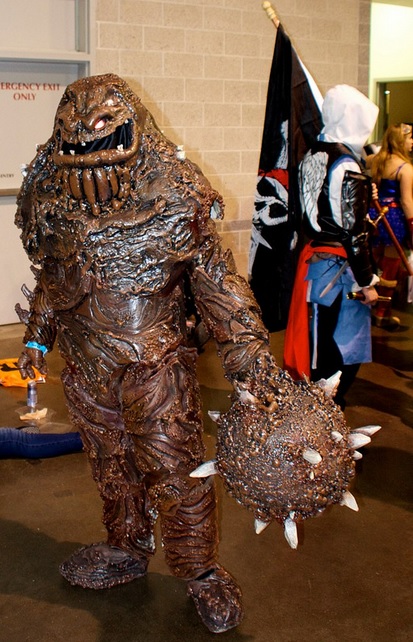



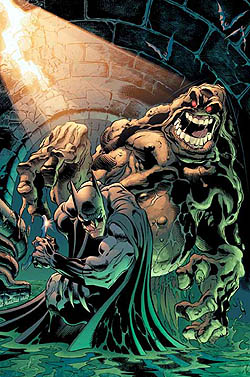
Notable incarnations and origin
The identity has been used by multiple individuals rather than a single character. The original Clayface was a former actor who embraced a villainous persona. Later versions include a fortune‑seeking shape‑shifter and a scientist transformed by an experimental condition. These different origins reflect comic writers' changing approaches across eras: some versions emphasize grotesque transformation, others tragic loss of humanity.
Abilities and limitations
Clayface characters possess a consistent set of powers tied to their mutable composition. Common abilities include:
- Shapeshifting: adopting virtually any human form or surface texture.
- Enhanced strength and durability: resisting conventional damage and reforming after injury.
- Impersonation: imitating voices and fingerprints for deception.
These advantages are balanced by vulnerabilities typical of a living clay body: exposure to extreme heat, cold, desiccation, or certain chemical agents can degrade or immobilize them. Many storylines treat the Clayfaces as tragic figures who struggle with identity, control, and a craving for a normal life.
Media appearances and cultural role
Clayface has appeared across media beyond comics, including animated television, films, and video games. A widely praised portrayal appears in Batman: The Animated Series, in which the character was voiced by Ron Perlman. Adaptations often blend elements from several comic incarnations to emphasize mystery, horror, or pathos.
Why Clayface matters
The character serves several narrative purposes: as a literal and metaphorical mask, Clayface explores themes of identity, performance, and the loss of self. His ability to become anyone raises questions about trust and deception in a world of costumed heroes and villains. For readers and viewers, Clayface remains an evocative antagonist—at once grotesque, flexible, and sometimes pitiable.
Further reading and character histories can be found in comic compendia and official guides; for more on Batman and related characters consult canonical sources and collections hosted by publishers and fans alike via additional reference.
Related articles
Author
AlegsaOnline.com Clayface — Gotham's Malleable Menace Leandro Alegsa
URL: https://en.alegsaonline.com/art/20861