
City and Town Halls: Functions, History and Distinctions
Public buildings that house municipal governments and civic activities; overview of their roles, architecture, history, regional naming and modern functions.
Overview
A city hall or town hall is the principal headquarters building for a city or town government. It typically contains offices for municipal administration, meeting chambers for the elected council and public service counters for residents. Many serve as the official address for a city council and, where applicable, house the office of the mayor.
Image gallery
6 Images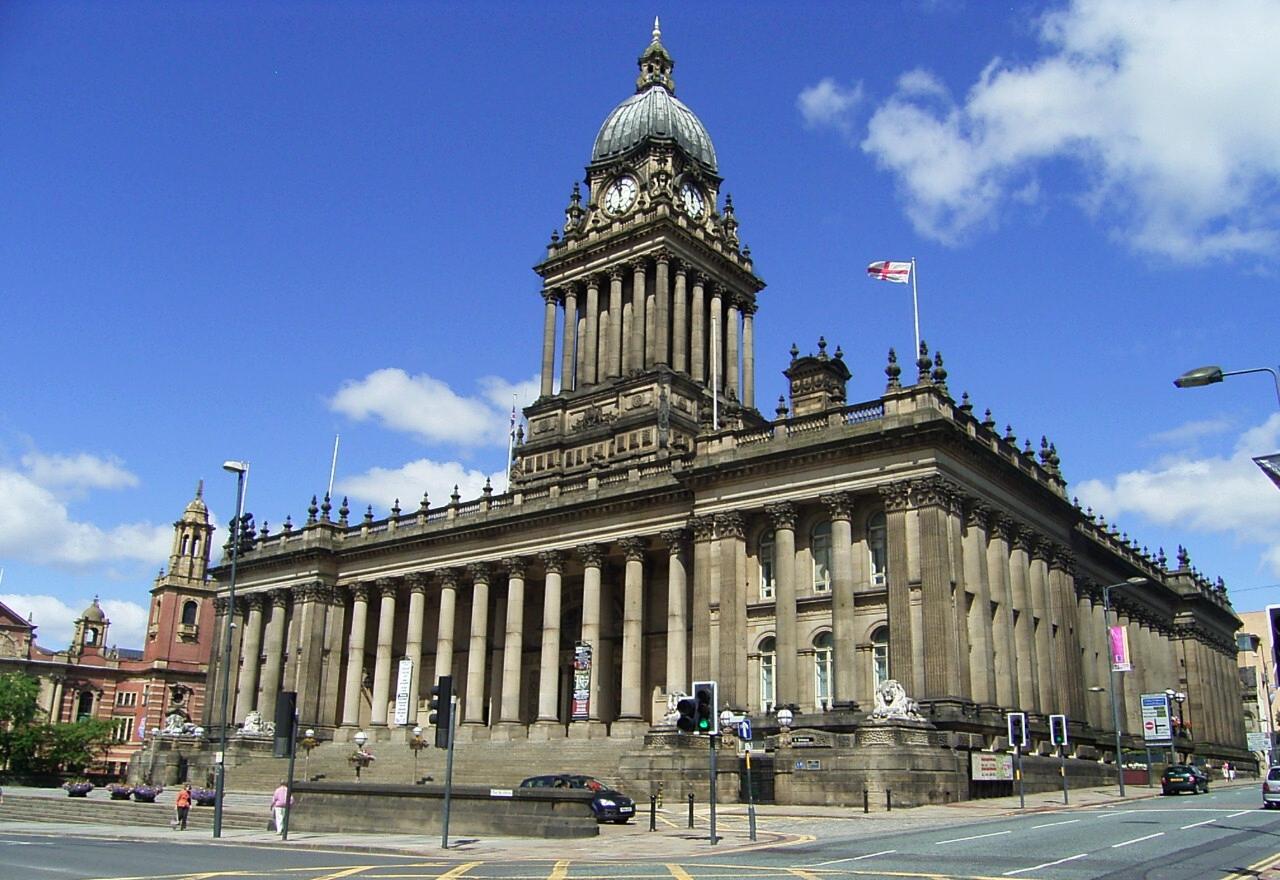


Common components and architecture
Although styles vary by era and region, most halls include a council chamber, mayoral or executive offices, clerks' and records rooms, and spaces for public ceremonies. Some historic examples feature clock towers or bell towers and ornate public halls used for receptions and concerts. In certain jurisdictions a town hall will serve a borough (borough) or act alongside a larger county administration, with a separate office for the county mayor or council leadership where relevant.
Regional naming and organisation
Names and conventions differ by country. In North America the terms "city hall" and "town hall" generally reflect the size and legal status of a municipality. Smaller settlements often use "town hall" while larger urban centres use "city hall." In the United Kingdom, Australia, New Zealand, Hong Kong and many Commonwealth countries, "town hall" is a common term and has strong civic and ceremonial connotations. During the mid-20th century some places replaced traditional town halls with more functional "civic centres" that concentrated offices but often lacked the older buildings' public halls and galleries.
Functions and public uses
Town and city halls perform a mix of administrative, legal and social roles. Typical functions include:
- Hosting council meetings, public hearings and elections.
- Issuing permits, licences, and maintaining civic records (births, deaths, property).
- Providing one-stop public service counters for residents.
- Serving as a venue for cultural events, ceremonies and community gatherings.
- Housing municipal departments such as planning, finance and public works.
History and evolution
The institution of a dedicated municipal building traces back to medieval guildhalls and market halls, evolving through Renaissance and Victorian periods as symbols of civic pride. Architectural styles range from classical and Gothic revival to modernist public complexes. Over time many functions have shifted: administrative work has sometimes moved to suburban offices while historic halls are preserved as heritage sites and community venues.
Contemporary trends and distinctions
Modern trends include digitisation of services, improved accessibility, consolidation of departments into multi-use civic centres and adaptive reuse of heritage halls. Important distinctions to note are between "city hall" and "town hall" (often legal or population-based), "county hall" for county-level administration, and "civic centre" for multi-purpose municipal complexes that may prioritize office space over ceremonial halls. Despite changing forms, these buildings remain focal points for local government and civic life.
For further information on municipal buildings, their functions and examples in different countries, consult regional guides and official municipal websites.
Related articles
Author
AlegsaOnline.com City and Town Halls: Functions, History and Distinctions Leandro Alegsa
URL: https://en.alegsaonline.com/art/20532