
City limits: definition, purpose and legal implications
City limits are the legally defined boundaries of a municipality. They determine jurisdiction for services, taxes, zoning and law enforcement and differ from urban or metropolitan extents.

Overview
City limits are the official lines that mark where a city’s legal authority begins and ends. These boundaries distinguish the area governed by a municipal government from neighboring jurisdictions such as counties, unincorporated areas, a town, or a village. Limits are important for administration: they identify which residents receive municipal services, who pays city taxes, and which rules and ordinances apply.
Image gallery
3 Images
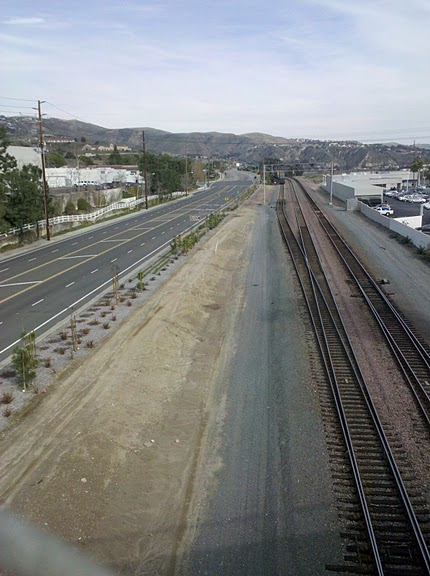

Characteristics and markers
On the ground, limits are commonly indicated by roadside signs saying “Welcome to” or “Leaving” a municipality. In legal and planning contexts they are recorded on maps, property deeds, and in geographic information systems. Boundaries may follow streets, rivers, survey lines, or irregular property lines and can be changed by processes such as annexation or consolidation.
History and development
The idea of delimiting a city's extent goes back to walled settlements and charters that defined civic privileges. Modern municipal boundaries evolved with legislation establishing incorporation, zoning, and municipal responsibilities. Over time limits have shifted as cities annex adjacent land or as suburbs incorporate separately, producing complex patterns of jurisdiction within metropolitan regions.
Uses and practical effects
City limits determine which government provides services like police, fire protection, water, sewer, street maintenance and schools (where applicable). They affect property taxes, business licenses, building codes and voting districts. Because social and economic activity often spills beyond these lines, the functional urban area or metropolitan region can be much larger than the municipal boundary.
Distinctions and notable points
- Municipal boundary vs. urban area: City limits are legal; an urban area is defined by continuous development and commuting patterns.
- Annexation and extraterritorial jurisdiction: Cities may expand their limits under statutory procedures, though rules vary by jurisdiction.
- Practical anomalies: Postal addresses, school districts, and utility service areas often do not match municipal boundaries, creating mixed jurisdictions.
Understanding city limits helps residents and planners know which laws apply, which services are available, and how growth and governance are organized across adjacent communities.
Related articles
Author
AlegsaOnline.com City limits: definition, purpose and legal implications Leandro Alegsa
URL: https://en.alegsaonline.com/art/20541