
Circuit de Catalunya
Permanent racing circuit near Barcelona that hosts the Spanish Grand Prix and Catalan motorcycle GP; known for a mix of long straights and varied corners and widely used for testing and development.
The Circuit de Catalunya, often referred to as Circuit de Barcelona-Catalunya, is a permanent motorsport venue located in Montmeló, just north of Barcelona. Its position can be referenced by coordinates. The circuit sits within the autonomous region of Catalonia and is easily reached from the city of Barcelona. As a modern racetrack, it is best known for hosting the Formula One Spanish Grand Prix (Spanish Grand Prix) and the MotoGP Catalonia Grand Prix, but it also stages a wide range of international and national racing events.
Image gallery
7 Images
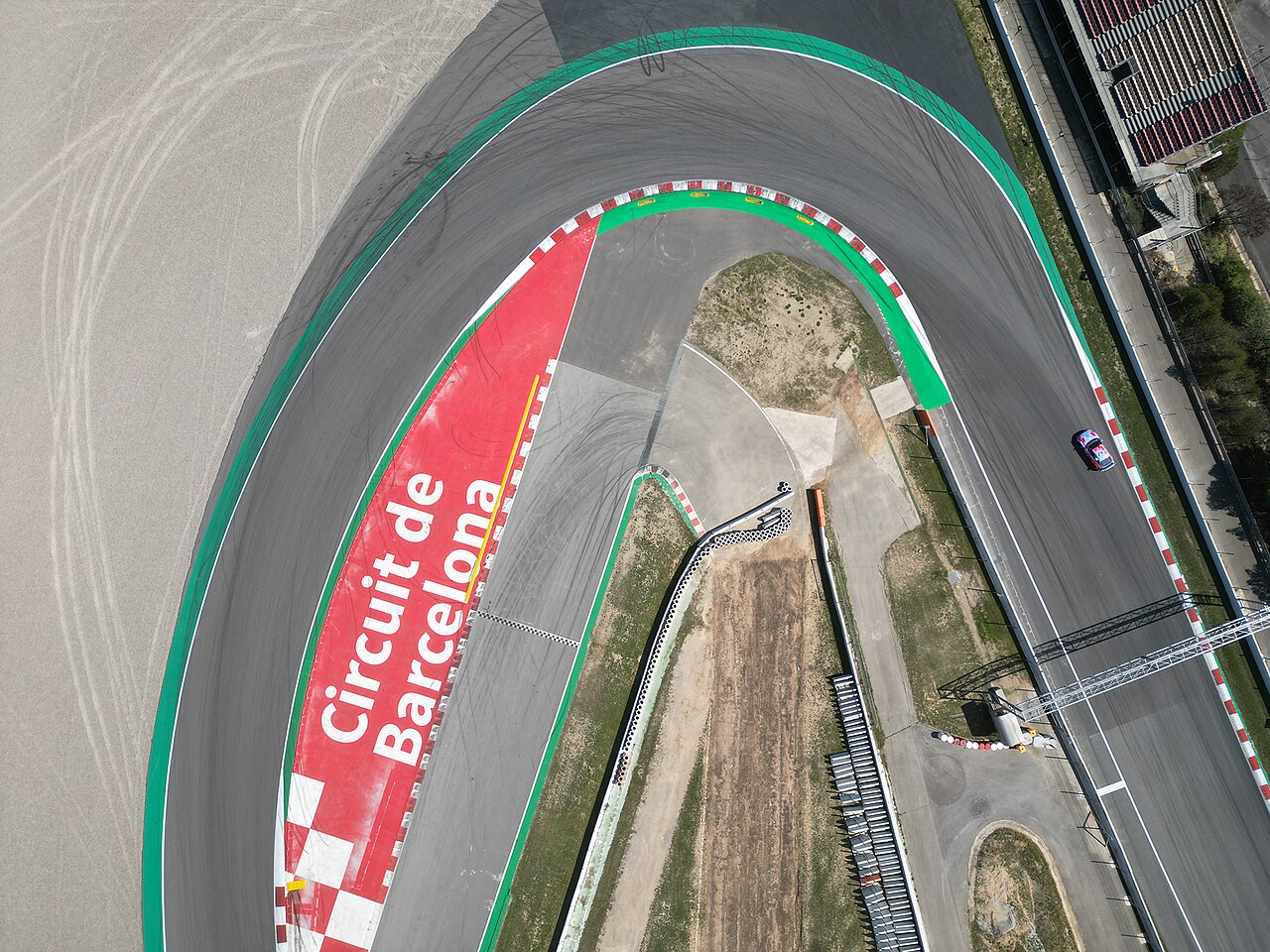


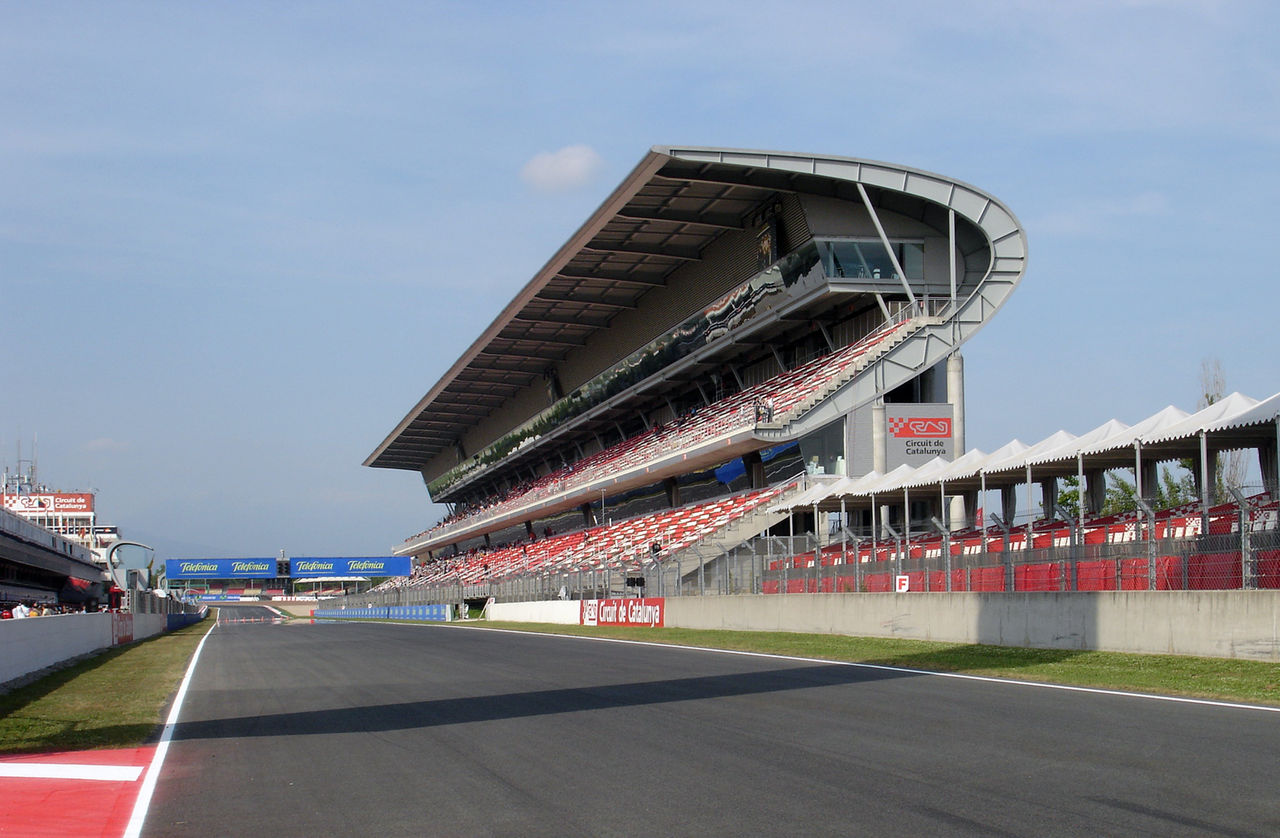

Characteristics
The layout combines long, high-speed straights with a varied selection of corners — fast sweepers, medium-speed turns and slower hairpins — which together test mechanical grip, aerodynamic balance and braking stability. Its surface and configuration tend to produce notable tyre wear, making strategy and tyre management important during races. Over the years the track has been altered in places to improve safety and on-track action; modifications have included revisions to the final sector and the introduction of a chicane to reduce approach speeds on the home straight.
Layout and technical demands
- Length and profile: a mid-length permanent circuit that offers a representative cross-section of modern track features, useful for vehicle development.
- Aerodynamic test-bed: long corners and sustained high-speed sections make it a popular location for aerodynamic and set-up testing.
- Tyre and braking challenge: surface abrasiveness and heavy braking zones reward careful tyre conservation and robust braking systems.
The combination of features makes the circuit an "all-rounder" that teams often use for pre-season and in-season testing because laps touch on most performance aspects encountered on the wider international calendar.
History and development
Opened in the early 1990s to host international racing, the venue quickly became Spain's principal permanent racing facility. Throughout its history the circuit has undergone periodic upgrades to meet evolving safety standards, to improve spectator amenities and to adapt the layout for modern single-seaters and motorcycles. These changes reflect a balance between preserving a challenging driving experience and reducing risks at high speed.
Beyond Formula One and MotoGP, the track supports touring car series, GT and endurance racing, junior categories and manufacturer test programs. Its proximity to a major European city, combined with extensive paddock and media facilities, secures its role as a focal point for motorsport in the region and a frequent stop on international racing and testing calendars.
Importance and notable aspects
- Economic and cultural: the circuit contributes to local tourism and motorsport culture, drawing fans and teams from across Europe.
- Development role: teams value it as a development venue because lap sections emulate many demands found elsewhere on the international calendar.
- Racecraft and strategy: its mix of corner speeds and tyre wear characteristics often produces distinct qualifying and race performances, influencing strategy and overtaking opportunities.
For additional practical information, schedules and event details visit the circuit's official pages and affiliated event sites. The track's enduring combination of accessibility, technical challenge and international profile continues to make it one of Europe's key motorsport venues.
Map and coordinates | Circuit information | Barcelona access | Catalonia region | Spanish Grand Prix details
Questions and answers
Q: What are the coordinates of the Circuit de Catalunya?
A: The coordinates of the Circuit de Catalunya are 41°34′12″N 2°15′40″E / 41.57000°N 2.26111°E / 41.57000; 2.26111.
Q: Where is the Circuit de Catalunya located?
A: The Circuit de Catalunya is located in Montmeló, to the north of Barcelona, in Catalonia.
Q: Which events are held at the Circuit de Catalunya?
A: The Circuit de Catalunya is host to the Formula One Spanish Grand Prix and the motorcycle Catalonia Grand Prix.
Q: How is the Circuit de Catalunya viewed as a circuit?
A: The Circuit de Catalunya is seen as an all-rounder circuit due to its long straights and variety of corners.
Q: What is the Circuit de Catalunya often used for?
A: The Circuit de Catalunya is often used for off-season testing.
Q: What kind of testing is done at the Circuit de Catalunya?
A: The Circuit de Catalunya is used for off-season testing for both Formula One and motorcycles.
Q: What is the significance of the Circuit de Catalunya?
A: The Circuit de Catalunya is an important racetrack for both Formula One and motorcycle racing, and is often utilized for testing purposes.
Tags
Related articles
Author
AlegsaOnline.com Circuit de Catalunya Leandro Alegsa
URL: https://en.alegsaonline.com/art/20448
Sources
- en.espnf1.com : "Circuit de Catalunya"