
Cinderella (Rodgers and Hammerstein musical)
A family musical by Richard Rodgers and Oscar Hammerstein II, written for television in 1957 and based on Perrault's fairy tale. Known for songs like "In My Own Little Corner" and later stage revivals.
Overview
Cinderella is a musical adaptation of the traditional fairy tale, drawing especially on the French version Cendrillon, ou La petite pantoufle de verre by Charles Perrault. The piece was created as a collaboration between lyricist and librettist Oscar Hammerstein II and composer Richard Rodgers. It was one of the best‑known musicals written specifically for television rather than for an initial stage production, combining Rodgers's melodic writing with Hammerstein's focus on character and sentiment.
Image gallery
3 Images

Origins and first broadcast
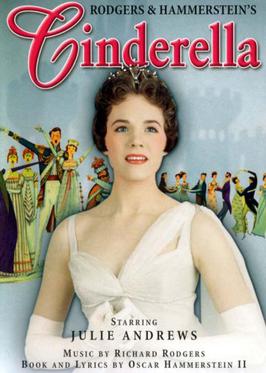
The musical was commissioned by the CBS Network and first aired on 31 March 1957 as a television special. The telecast starred a young Julie Andrews in the title role. The broadcast format allowed a broad audience to experience a full‑length musical at a time when network specials were an important cultural event.
Music, songs, and structure
The score mixes intimate solos, bright ensemble pieces and romantic duets. Songs that have remained in the repertory include "In My Own Little Corner", a reflective solo that reveals the heroine's inner life; "A Lovely Night", a lyrical ensemble; "Do I Love You Because You're Beautiful?", a duet that examines romantic feeling; and "Impossible", an optimistic number associated with longing and transformation. The musical structure for television is relatively streamlined; stage adaptations have sometimes expanded scenes, choreography and orchestration for theatrical audiences.
Original staging and early productions
Following the television premiere, the show received a staged production at the Coliseum in London, opening on 18 December 1958. That transfer adapted the teleplay for live performance, altering staging and choreography to suit a theatrical setting while retaining Hammerstein's book and Rodgers's score.
1965 television remake
The CBS Network produced a color television remake that aired on 22 February 1965. This version featured Lesley Ann Warren as Cinderella and included performers such as Stuart Damon in the role of the Prince, with screen veterans including Walter Pidgeon and Celeste Holm in supporting parts. The remake reflected changes in television production values and casting sensibilities of the 1960s.
Broadway and later revivals
Although originally a television work, the musical has been adapted for many stages and finally reached Broadway with a notable premiere on 3 March 2013. Contemporary productions have tended to expand the original teleplay, adding choreography, larger orchestration and sometimes reworking scenes to suit modern tastes while keeping the score intact. The show remains a popular choice for regional theatres, schools and community companies.
Cast and creative elements
The original televised production showcased performers chosen for both musical ability and screen presence. Over the years many productions have varied the emphasis between spectacle and intimacy: some favor lush, traditional staging while others aim for a more character‑driven, modest presentation. Directors and choreographers often reinterpret the fairy‑tale motifs to match the production's scale.
Reception and legacy
Cinderella is important in the history of American musical theatre as an example of a high‑profile collaboration between two major figures written expressly for television. Its songs have endured independently of any single staging, appearing on recordings and in anthologies of popular musical theatre numbers. The work's family appeal and clear narrative have helped it remain in repertory and subject to reinterpretation across media.
Study, performance and resources
Because of its popular score and accessible story, the musical is commonly produced by amateur and educational companies as well as professional theatres. Those interested in performing or studying the piece can consult licensed materials and published scores; critical studies of Rodgers and Hammerstein also discuss the show's place in the duo's body of work and in mid‑20th‑century broadcast entertainment. For contextual information about productions and historical receptions, see sources that survey American television musicals and the composers' careers (Broadway and musical theatre resources).
Musical highlights
- "In My Own Little Corner" — character song for the heroine.
- "A Lovely Night" — ensemble set piece with lyrical charm.
- "Do I Love You Because You're Beautiful?" — duet exploring attraction.
- "Impossible" — an upbeat number about hope and change.
Further reading and recordings
Recordings of the original telecast and of cast albums from various productions have helped preserve the score. Critical commentary places the work alongside other mid‑century attempts to bring the musical theatre idiom to television, and it is frequently cited when discussing Hammerstein and Rodgers's range beyond their better‑known stage hits.
Related articles
Author
AlegsaOnline.com Cinderella (Rodgers and Hammerstein musical) Leandro Alegsa
URL: https://en.alegsaonline.com/art/20402
Sources
- guidetomusicaltheatre.com : Guide to Musical Theatre: Cinderella
- broadwaymusicalhome.com : Broadway Musical Home: Cinderella