
Clown: history, roles, appearance, and contemporary practice
A clown is a performer who uses costume, makeup, physical comedy and theatrical skills to entertain. This article covers appearance, types, history, training, common roles and cultural notes.
Overview
A clown is a performer whose work centers on physical comedy, exaggerated character and direct audience engagement. Clowning appears in many settings: circuses, street theatre, children's parties, stage plays and television. While the modern image of the clown often emphasizes bright colors and oversized clothing, the art relies on timing, mime, pratfalls and the ability to read and respond to an audience.
Image gallery
10 Images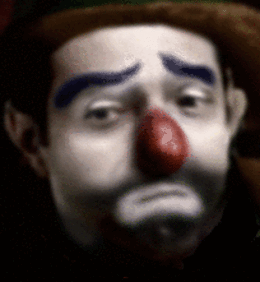


Appearance and main elements
Traditional clown appearance includes several recognizable elements designed to make expressions visible and to create an immediate character. Typical features are:
- Makeup: greasepaint or theatrical makeup that alters the face (whiteface, auguste and other styles).
- Wig and hair: exaggerated hairpieces, often brightly colored.
- Costume: padded, baggy or otherwise stylized clothing that suggests a specific persona.
- Props and accessories: oversized shoes, red noses, squirting flowers and simple gadgets used for gags.
History and development
Clowning draws on a long lineage of comic performers. Elements of the clown appear in ancient festivals, medieval fools and the masked characters of commedia dell'arte. Over centuries these strands combined with circus traditions to create the modern clown archetypes. The role has evolved, with contemporary practitioners blending classic slapstick with theater, dance and contemporary comedy.
Training and practice
Learning to clown can be formal or informal. Some people study at dedicated schools or workshops that teach acrobatics, juggling, mime and audience work; others apprentice with experienced clowns or develop their craft through performance practice. Successful clowning depends as much on observation and improvisation as on technical skills.
Roles, uses and cultural notes
Clowns serve varied purposes: they lighten difficult situations, make performances accessible to children, provide satire and comment in theatrical contexts, or offer interactive entertainment at events. Different traditions produce distinct clown types—from the elegant whiteface to the chaotic auguste to the melancholic tramp. In modern culture, the clown image also appears in film, literature and visual art, sometimes symbolically.
Further reading and resources
For introductions to techniques, history and community resources see general clowning guides, training organizations at clown schools, and performance networks listed on professional directories. For practical skills like acrobatics and juggling consult specialized manuals at skill resources and community workshops at local groups. Historical surveys and cultural analyses are available through performing-arts collections at archives and critical essays at academic repositories. To find events, agents or freelance opportunities search listings at industry portals or community boards at event platforms.
Questions and answers
Q: What is a clown?
A: A clown is a kind of entertainer or performance artist who performs physical comedy and stunts to amuse others.
Q: What do clowns typically wear?
A: Clowns usually wear grease paint makeup that hides their real face, a large wig with brightly-colored hair, and baggy, padded clothing.
Q: Where do most clowns work?
A: Many clowns belong to a circus, while others freelance or have a talent agent who helps them find work.
Q: How do some clowns learn their skills?
A: Some clowns study at a clown college or school where they learn acrobatics, juggling and other physical skills, as well as ways to interact with an audience. Others learn from experienced clowns or through study and practice.
Q: Is there any special training for becoming a clown?
A: Yes, some people attend special schools such as a "clown college" where they can learn the necessary skills for performing as a professional clown. This includes learning acrobatics, juggling and other physical skills as well as how to interact with an audience in order to be successful in the profession.
Q: Are all clowns part of circuses?
A: No, not all clowns are part of circuses; some may freelance or have talent agents who help them find work outside of the circus environment.
Related articles
Author
AlegsaOnline.com Clown: history, roles, appearance, and contemporary practice Leandro Alegsa
URL: https://en.alegsaonline.com/art/21125