
Cinco de Mayo: history, observances, and cultural significance
Cinco de Mayo commemorates the Mexican army's victory at the Battle of Puebla on May 5, 1862; celebrated regionally in Mexico and widely in the United States as a day of Mexican and Mexican‑American heritage.
Overview
Cinco de Mayo literally means "fifth of May" and marks a single battle rather than national independence. Today it is associated with Mexican heritage and pride and with Mexican‑American culture more broadly; the holiday is observed in parts of Mexico and across the United States as a cultural celebration and public commemoration of Mexican history (Mexican heritage).
Image gallery
10 Images


Origins and the Battle of Puebla
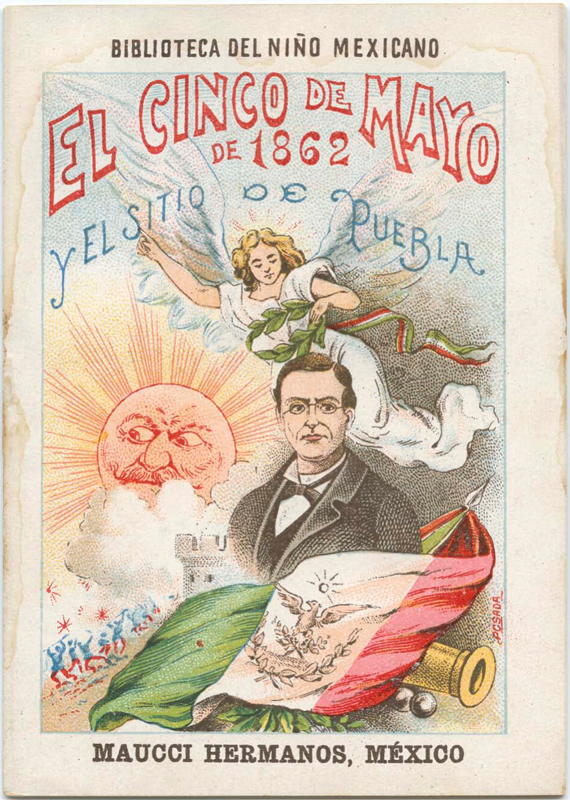
The date commemorates the Mexican army's unexpected victory over a French expeditionary force at the Battle of Puebla on May 5, 1862. The Mexican forces were commanded by General Ignacio Zaragoza. Although the victory had important symbolic and morale effects, it did not end the foreign intervention, which continued for several more years.
How it is observed in Mexico
In Mexico the holiday is most actively commemorated in the state of Puebla, where ceremonies include military parades, reenactments of the battle, civic speeches and local festivals. Outside Puebla the day is generally less prominent than other national holidays; Mexico's principal independence celebration remains Independence Day on September 16.
Celebration in the United States
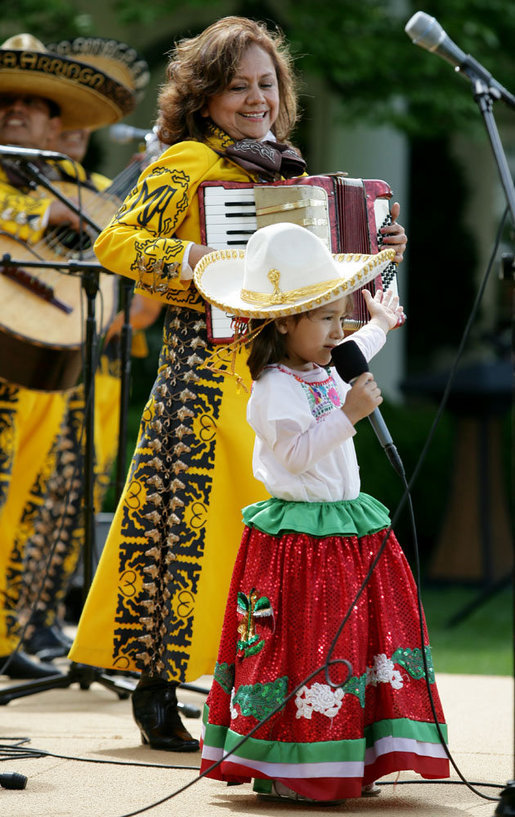
In the United States, Cinco de Mayo has grown into a widespread celebration of Mexican and Mexican‑American culture. Cities with large Hispanic populations often hold parades, street festivals, concerts and school events. The day has also taken on commercial and festive dimensions, with restaurants and businesses promoting food, music and cultural programming.
Common customs
- Public parades and musical performances, including mariachi and folk dances.
- Historical reenactments and ceremonies in Puebla to honor the Battle of Puebla.
- Food and family gatherings; in Puebla the dish mole poblano is traditionally associated with the celebrations.
- Educational events that explain the 19th‑century context of the French intervention and Mexican resistance.
Notable distinctions and legacy
Cinco de Mayo is often mistaken outside Mexico for the nation's independence celebration; it should be understood as a commemoration of a specific 1862 victory. The holiday's modern prominence—especially in the United States—reflects both an affirmation of Mexican cultural identity and broader public interest in Mexican music, cuisine and history. For further reading and local event information, see community and cultural organization pages: translation and meaning, heritage resources, U.S. observances, Puebla events, Independence Day distinction, Battle of Puebla details, General Zaragoza.
Footnotes
- ↑ Archive link (Memento of the original on 13 May 2007 in the Internet Archive) Info:
 The archive link was inserted automatically and not yet checked. Please check original and archive link according to instructions and then remove this notice. @1@2Template:Webachiv/IABot/www.embamex.de
Questions and answers
Q: What does Cinco de Mayo mean in English?
A: Cinco de Mayo means "fifth of May" in English.
Q: What is Cinco de Mayo celebrating?
A: Cinco de Mayo is celebrating Mexican heritage, culture, and pride.
Q: When is Cinco de Mayo held?
A: Cinco de Mayo is held on May 5th.
Q: Is Cinco de Mayo an important national holiday in Mexico?
A: No, Cinco de Mayo is not Mexico's most important national holiday.
Q: In what Mexican state is Cinco de Mayo mostly celebrated?
A: Cinco de Mayo is mostly celebrated in the state of Puebla in Mexico.
Q: Why is Cinco de Mayo celebrated in Puebla?
A: Cinco de Mayo is celebrated in Puebla because the Mexican army won the Battle of Puebla against the French army on May 5, 1862, which was a surprising victory.
Q: Who led the Mexican army to victory in the Battle of Puebla on May 5, 1862?
A: General Ignacio Zaragoza Seguín led the Mexican army to victory in the Battle of Puebla on May 5, 1862.
Related articles
Author
AlegsaOnline.com Cinco de Mayo: history, observances, and cultural significance Leandro Alegsa
URL: https://en.alegsaonline.com/art/20395
Sources
- mexonline.com : Cinco de Mayo. Mexico Online: The Oldest and most trusted online guide to Mexico.
- news.nationalgeographic.com : "The anniversary of the victory is celebrated only sporadically in Mexico" - National Geographic
- qppstudio.net : List of Public and Bank Holidays in Mexico
- boston.com : Cinco de Mayo is not a federal holiday in México
- nbc11.com : "Is Cinco De Mayo Really Mexico's Independence Day?"
- thomas.loc.gov : Library of Congress (U.S.A.) Declaration
- deseretnews.com : Statement by Mexican Consular official
- clnet.ucla.edu : "Cinco de Mayo has become more of [an American] holiday than a Mexican one."
- gomexico.about.com : "Cinco de Mayo has become a day for celebrating Mexican culture in the United States, and celebrations there easily outshine those in Mexico."
- mndaily.com : "Today, the holiday is celebrated more in the United States than in Mexico"
- ahorre.com : Ahorre.com
- query.nytimes.com : "[Cinco de Mayo] gives us an opportunity ... to really get a jump-start on the summer beer-selling season"
- abqtrib.com : "From my perspective as a marketing professional, Cinco de Mayo has morphed into a national holiday designed by Fifth Avenue to sell alcohol and excite consumership around a party-type theme."