
Internet Archive
Nonprofit digital library and preservation project founded in 1996 that collects web pages, books, audio, video, software and other cultural artifacts to provide long-term public access.
Overview
The Internet Archive is a nonprofit organization headquartered in San Francisco, California. It operates a large online library and a public archive intended to preserve materials from the World Wide Web and a broad range of multimedia. Founded in the 1990s by Brewster Kahle, the organization aims to provide long-term access to cultural, educational and historical resources for researchers, educators and the general public.
Image gallery
10 Images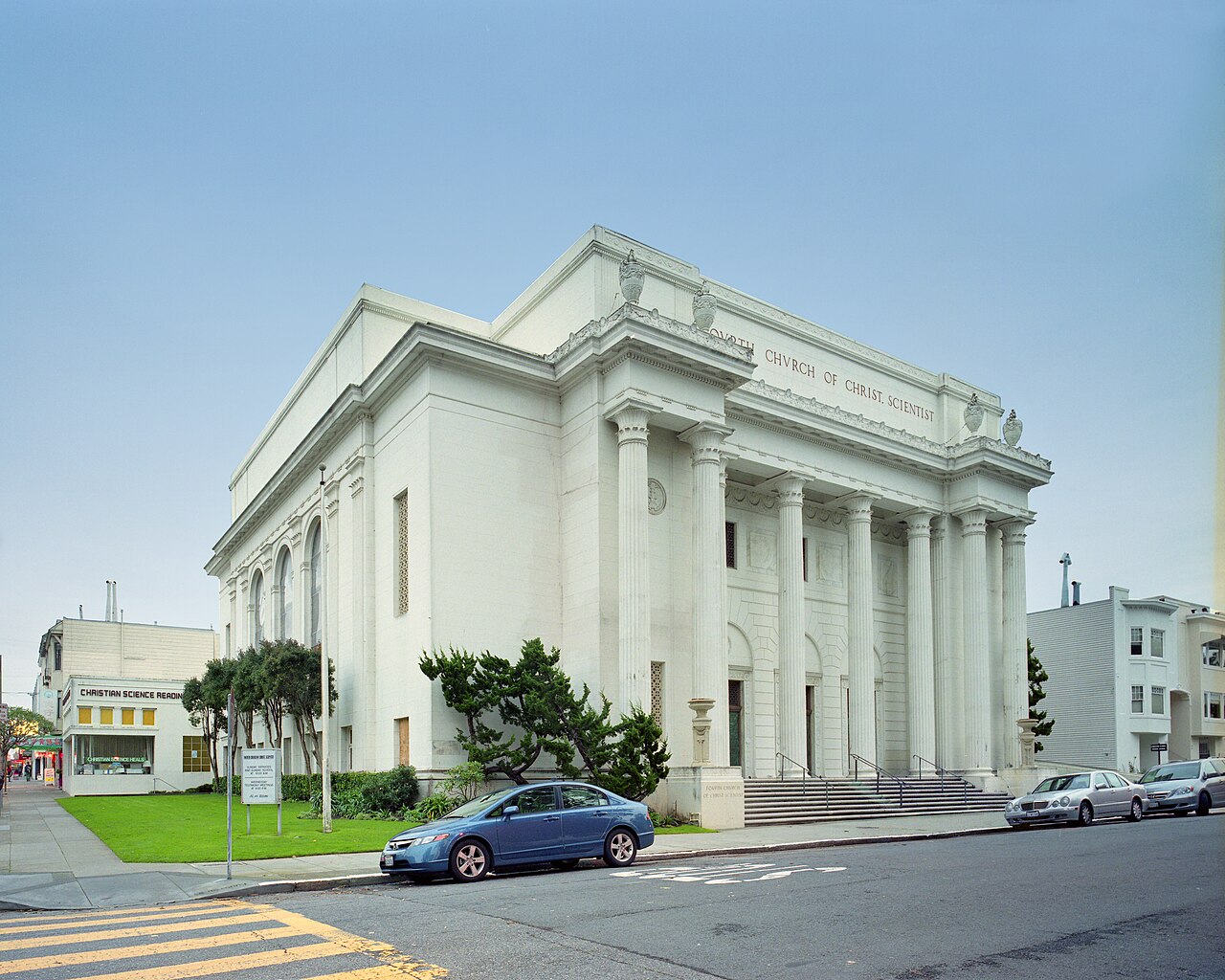




Major collections and tools
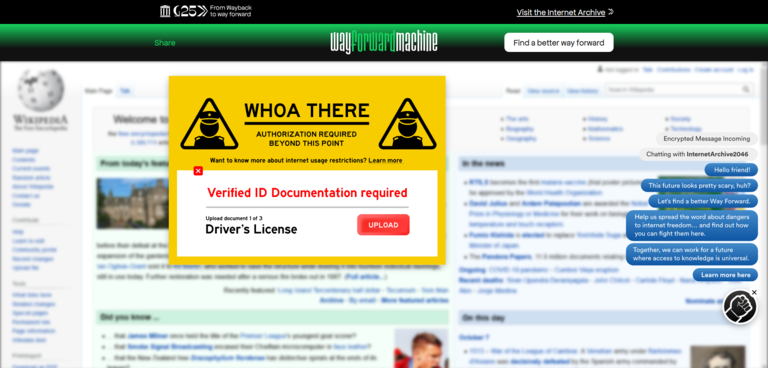
The Archive’s holdings span multiple formats. A prominent service indexes archived versions of websites and is widely known as the Wayback Machine; it allows users to view historical snapshots of web pages captured over time. The collections also include software and games, video and films, scanned and born-digital books, and extensive audio recordings such as oral histories and radio broadcasts. The Archive provides search, streaming and download options where rights and formats permit, and promotes emulation and file preservation for executable media.
Digitization, scanning and access
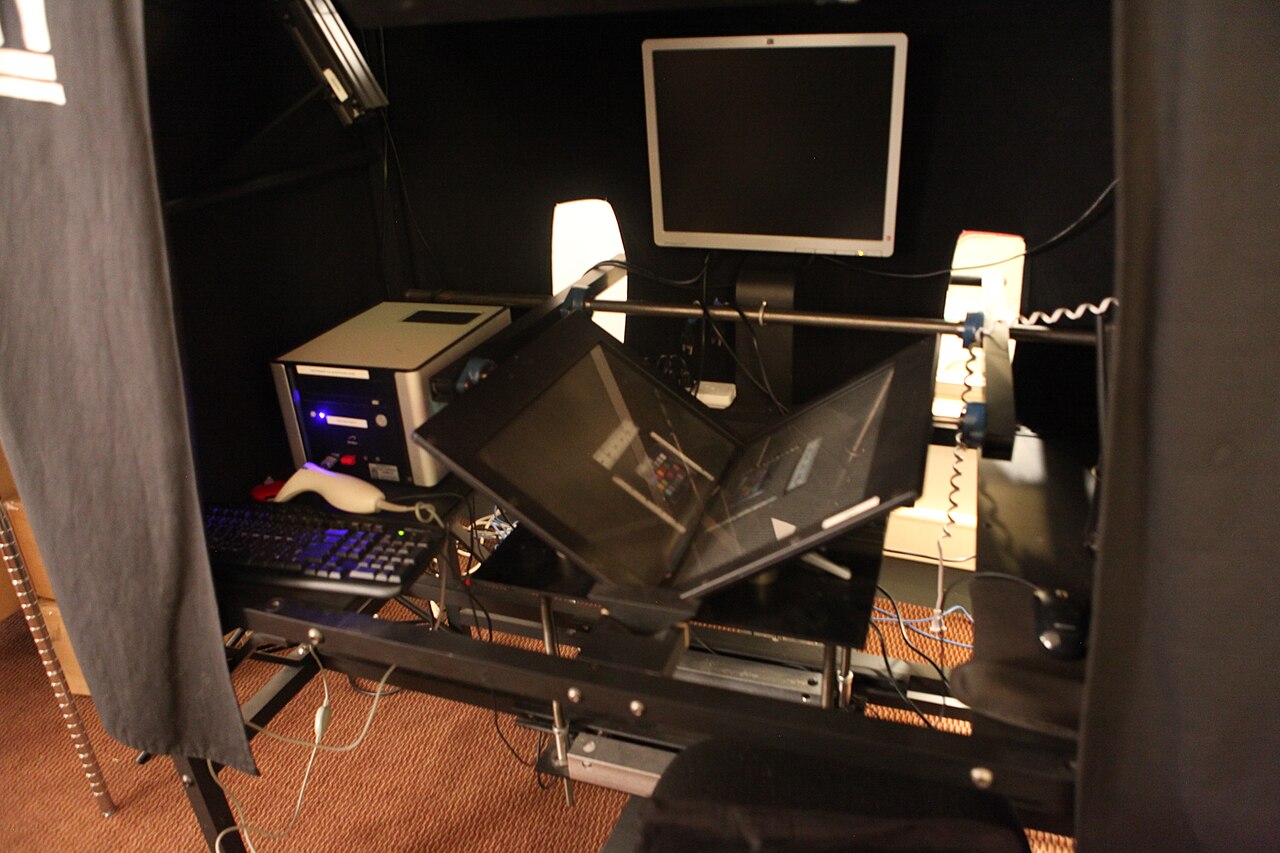
Physical items are made available online through digitization: pages are photographed or scanned at high resolution and processed with optical character recognition so text can be searched. To make materials available on the Internet, staff, volunteers and partner institutions place books and other media into specialized scanning equipment and follow workflows that balance quality, speed and careful handling. Many digitized items are accessible immediately; in other cases access is governed by rights, controlled lending policies or agreements with rights holders.
Open Library and lending
The Open Library initiative is an effort to create an online catalog entry for every published book and to provide discovery and lending services. The project works with contributors and volunteers to add bibliographic data and scanned copies. The Archive also acquires some digital materials, including electronic books, and has experimented with systems that mimic traditional library lending while addressing digital copying concerns. On-site facilities include public terminals and touchscreen-equipped reading tables for in-person consultation, as well as spaces where visitors may use a personal computer to access collections.
Preservation strategy and partnerships
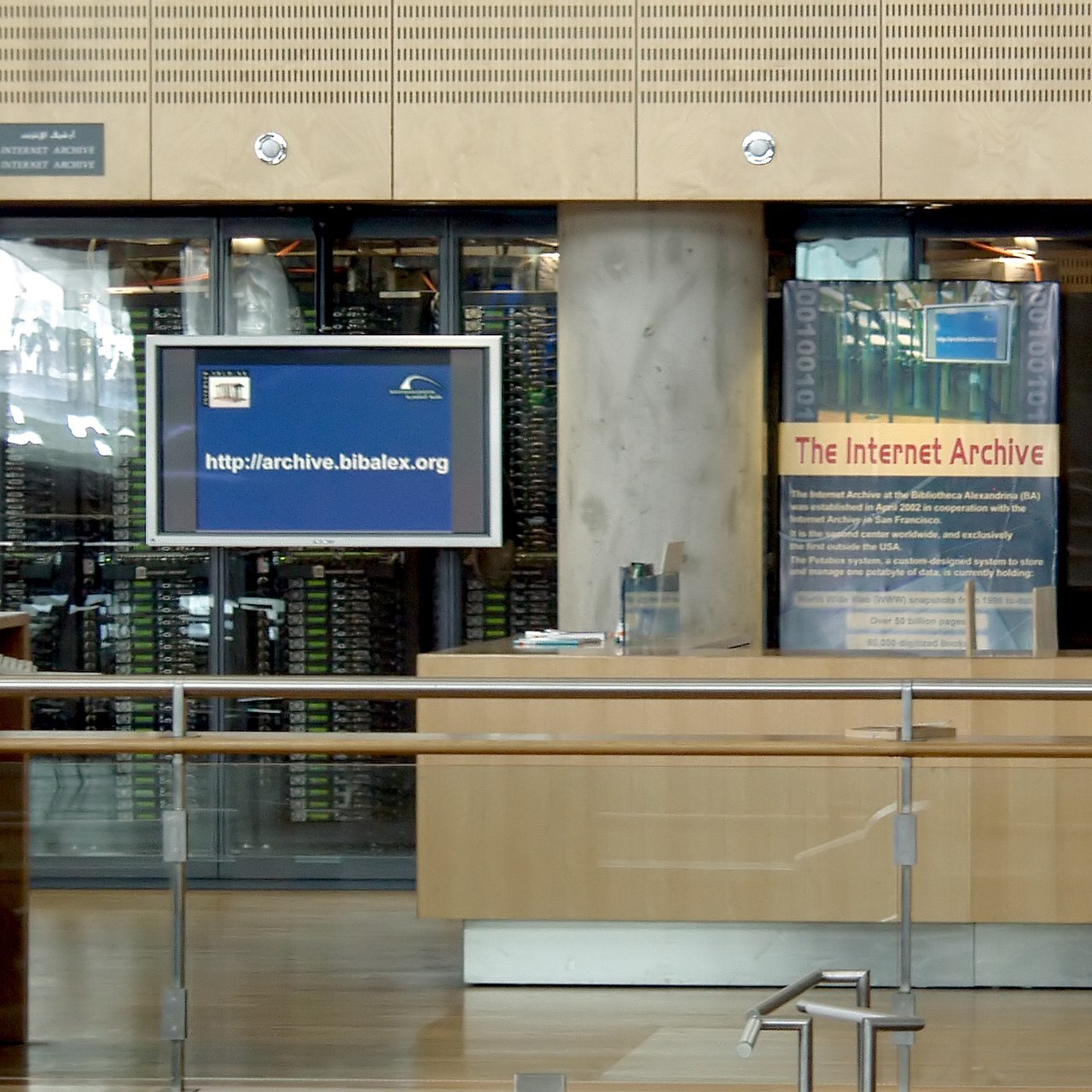
Preservation involves multiple copies, diverse storage locations and cooperation with repositories. The Archive mirrors collections with partner institutions to improve durability; one notable collaboration is with the Bibliotheca Alexandrina in Egypt. The organization stores originals and master files in climate-managed facilities and partners with libraries and cultural organizations to follow accepted archival practices. It is recognized as a library by the State of California and holds membership in professional groups such as the American Library Association.
Legal, ethical and technical considerations
The Archive operates at the intersection of public access and copyright law. Its activities have prompted discussions and legal cases concerning digitization, controlled digital lending and the preservation of born-digital works. The organization engages with authors, publishers, libraries and courts to clarify how long-term access and intellectual property rights can be balanced. Technically, it develops and shares tools for web crawling, file format migration, metadata extraction and in-browser emulation to support reuse and research.
Organization and community
Beyond staff, the Archive relies on volunteers, partner libraries, cultural institutions and donors. Community contributions include collection curation, metadata improvement and the physical work of scanning and cataloging. The Archive also collaborates on research projects, preservation initiatives and educational programs with academic and cultural partners.
How to use the collections
Users can search and browse collections through public interfaces, stream audio and video, view archived web captures and, where allowed, borrow or download digitized books. Institutional researchers may request assistance or data access for large-scale work, and educators commonly use the collections for historical examples and primary sources. The Archive continues to refine its services and policies to support discovery, preservation and lawful access to a growing body of digital heritage.
For background reading and institutional contacts, the Archive’s public pages and partner documentation offer entry points to its services and technical materials. The institution’s collections, tools and collaborations make it a central resource in contemporary efforts to preserve the online and audiovisual record for future generations.
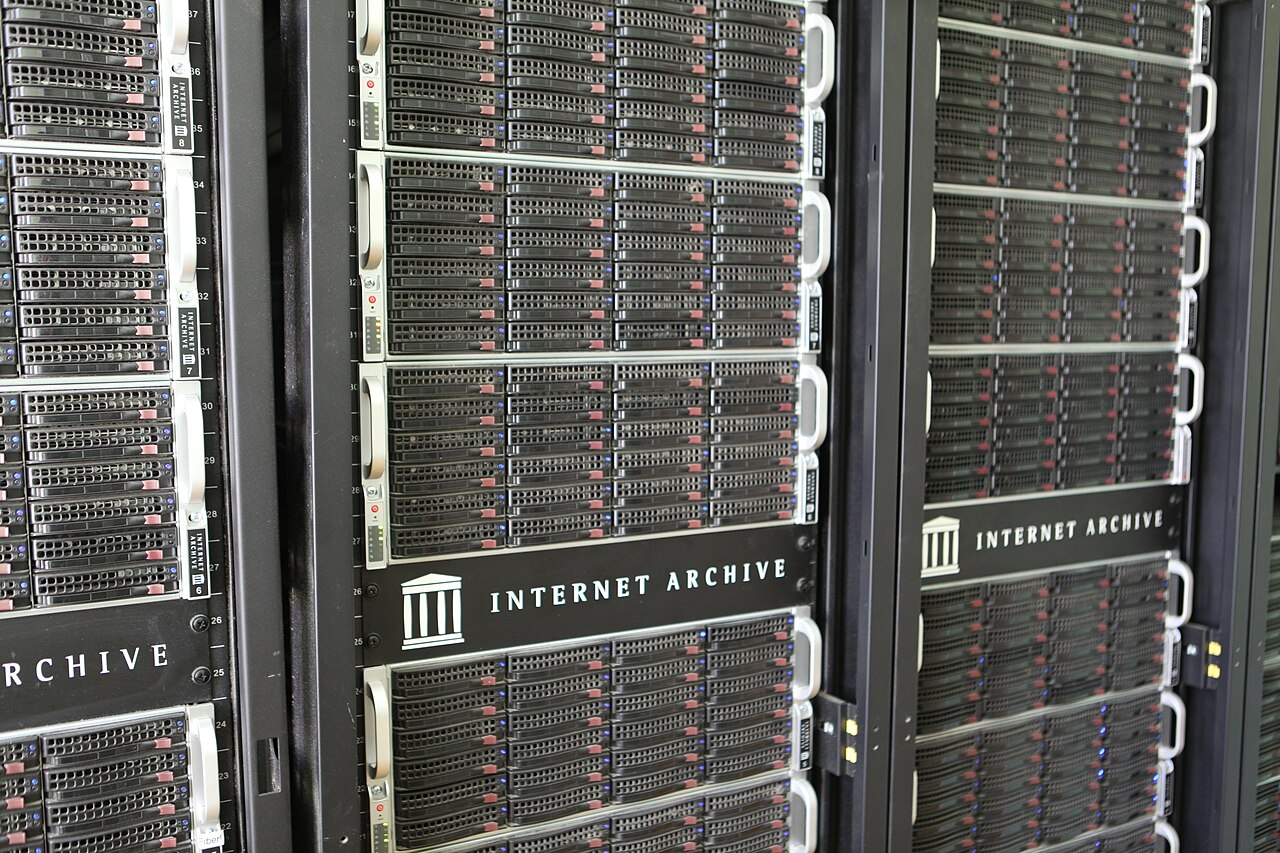
Storage and logistics are supported by dedicated facilities and partnerships that function like the warehouses and stacks of traditional libraries; these arrangements help protect original media and master files while enabling digitization and access at scale. The Archive’s continuing work aims to balance preservation, accessibility and respect for creators and rights holders in an evolving digital environment.
Additional information about the Archive’s history, initiatives and volunteer opportunities can be found through its online resources and affiliated projects.
collection storage and facility information • project contributors and volunteers
Questions and answers
Q: What is the Internet Archive?
A: The Internet Archive (IA) is a non-profit organization based in San Francisco, California that has an on-line library and archive of Web and multimedia resources. It was founded by Brewster Kahle in 1996.
Q: What does the Internet Archive contain?
A: The Internet Archive contains "snapshots of the World Wide Web", software, movies, books, and audio recordings.
Q: How are books made available on the Internet?
A: Books are first placed into special scanning machines by volunteers and employees of the library. These machines take very high quality pictures of the books' pages, and then images and text of the books are freely available on the Website. This process is called "digitization".
Q: Where are original collections stored?
A: Original collections such as films and sound recordings are digitized before being made available online, but they are also stored in a giant warehouse in California just like normal libraries store their smaller collections of books or other records.
Q: What is Open Library?
A: Open Library is a collection created by computer programmer and activist Aaron Swartz with the aim to create "one web page for every book ever published."
Q: How can readers access electronic books from The Internet Archive?
A: Electronic books can be read by viewing The Internet Archive's Website, on a reader's own computer or electronic reading device, or even in special reading areas inside The Internet Archive where tables have touchscreens and computers built into them.
Q: How does The Internet Archive ensure its stability?
A: To ensure its stability and endurance, The Internet Archive is mirrored at Bibliotheca Alexandrina in Egypt which is the only library in the world with a mirror.
Related articles
Author
AlegsaOnline.com Internet Archive Leandro Alegsa
URL: https://en.alegsaonline.com/art/47707
Sources
- archive.bibalex.org : The Internet Archive at the New Library of Alexandria · archive.org