
Columbus Day
Columbus Day marks Christopher Columbus’s 1492 voyage and landing in the Americas. Observed under different names in several countries, it is increasingly reexamined because of colonial impacts and Indigenous perspectives.
Overview
Columbus Day commemorates the 1492 Atlantic voyage of Christopher Columbus and his arrival in the Caribbean, traditionally identified with the island called San Salvador. The holiday is observed in several countries and has different names and meanings depending on language, region and politics. It is often a focal point for debates about how societies remember exploration, colonization and intercultural contact.
Image gallery
10 Images




Historical context
Columbus made voyages under the Spanish Crown that opened sustained contact between Europe and the Americas. Historians note the navigational achievement alongside the far-reaching consequences that followed—often summarized by the term Columbian Exchange—which included the transfer of plants, animals, people and diseases between hemispheres. The arrival of Europeans also initiated processes of colonization that transformed Indigenous societies.
How it is observed
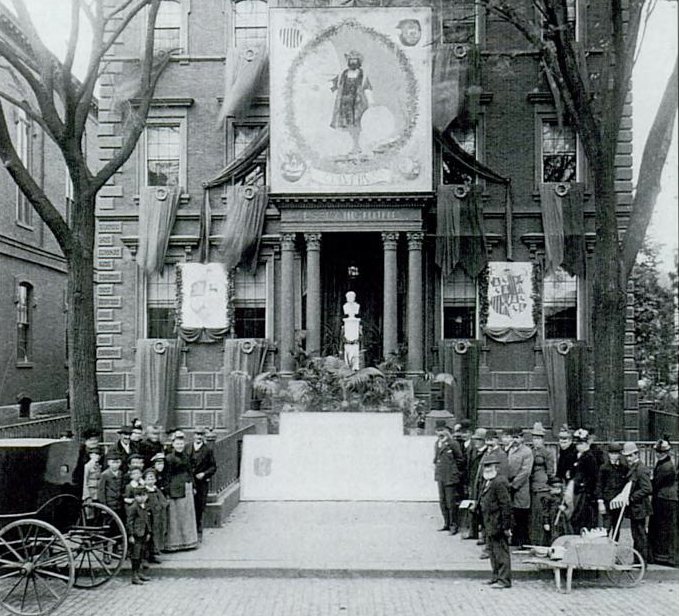
Observances vary widely. In the United States the day is commonly marked on the second Monday in October with parades, civic ceremonies and educational programs; it has been observed as a federal holiday since the 20th century. Other countries observe the date under names such as Día de la Raza or Día de la Hispanidad, often with cultural festivals, military ceremonies or national commemorations. For official schedules, event listings and background materials consult local government and cultural guides: holiday information.
Controversy and alternatives
The holiday is controversial because of the treatment of Indigenous populations after European arrival. Critics and many scholars emphasize violence, forced labor, dispossession and disease that harmed native communities. In response, numerous places have created alternatives or additions that honor Indigenous histories and living cultures, such as Indigenous Peoples' Day or other local observances that center native perspectives.
Modern responses
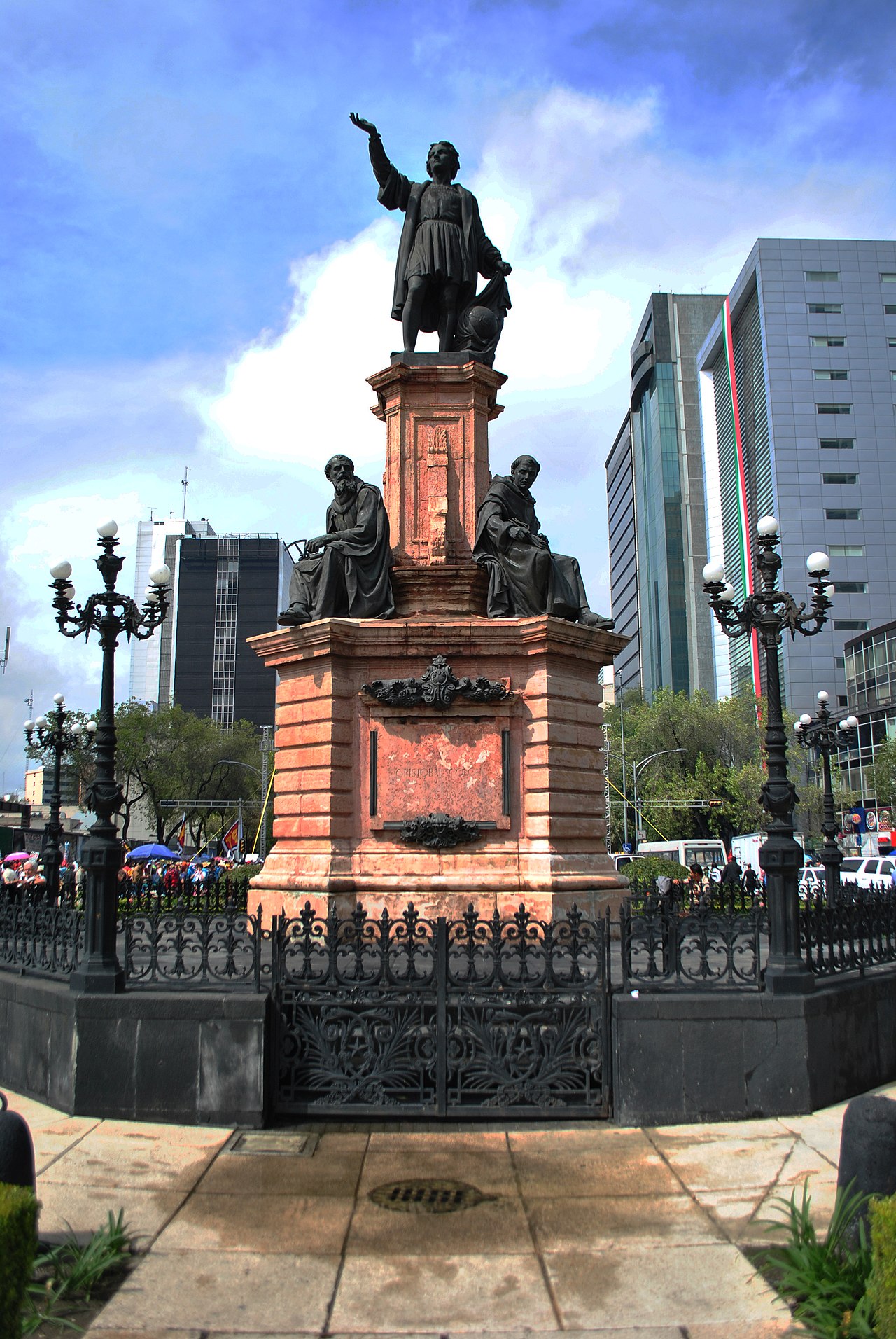
Communities and institutions have taken diverse approaches: some preserve the traditional name and ceremonies, others rename the day or adopt dual observances that include Indigenous voices. Public debates commonly address school curricula, monuments and how to present a fuller historical narrative that acknowledges both exploration and its consequences.
Significance
Columbus Day remains a widely discussed example of historical memory and public commemoration. It raises questions about identity, representation and reconciliation, and encourages examination of primary sources, local histories and Indigenous accounts to understand the multiple dimensions of the past.
- Common names: Columbus Day, Día de la Raza, Día de la Hispanidad, Indigenous Peoples' Day.
- Typical U.S. observance: second Monday in October (federal holiday since the 20th century).
- Key themes: exploration, contact, colonization, cultural exchange and historical memory.
For further reading and local guidance, consult scholarly overviews, national archives and cultural organizations that publish balanced analyses and resources about the voyages, Indigenous histories and contemporary commemorations.
Related articles
Author
AlegsaOnline.com Columbus Day Leandro Alegsa
URL: https://en.alegsaonline.com/art/21823