
Albania Veneta (Venetian Albania)
Albania Veneta, or Venetian Albania, was the coastal territory controlled by the Republic of Venice in southern Dalmatia from 1420 until the Republic's fall in 1797. It left lasting cultural and architectural marks.
Overview
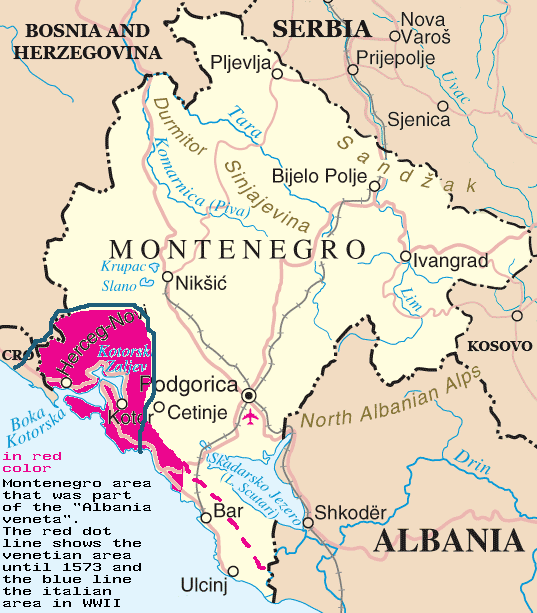
Albania Veneta (Italian: Albania Veneta, English: Venetian Albania) was the name used for the coastal possessions of the Republic of Venice in parts of southern Dalmatia between the 15th century and the end of the Venetian state in 1797. As a maritime frontier of Venice, the territory served both economic and strategic purposes within the wider Stato da Mar (Venetian maritime domain).
Image gallery
9 Images




Geography and principal towns
The area broadly comprised a string of fortified port towns and islands along the eastern Adriatic coast, today lying within parts of modern Croatia and Montenegro. Notable coastal centres under Venetian rule included:
- Kotor (historically Cattaro)
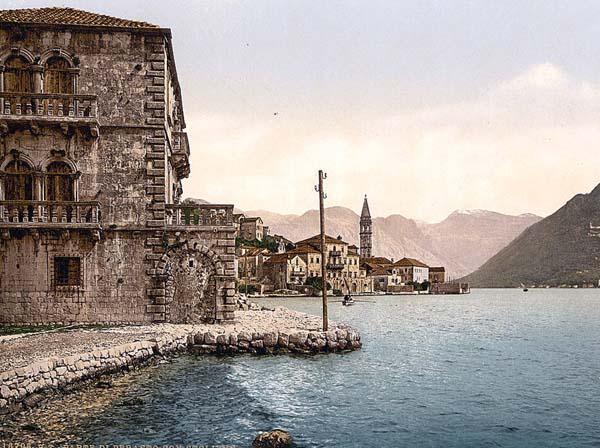
- Perast and Risan
- Budva
- Bar (Antivari) and nearby harbours
These localities were linked by maritime routes and defended by a network of walls, forts and naval forces controlled by Venice.
Administration and military role
Venetian Albania was governed by officials appointed from Venice—podestà, provveditori and naval commanders—who administered justice, collected taxes and maintained garrisons. The territory formed part of Venice's defensive ring in the Adriatic, providing bases for ships, lookouts and supply points that secured trade lanes and projected Venetian power eastward.
Economy and society
The economy combined maritime trade, fishing, shipbuilding and salt production with local agriculture in sheltered valleys. Population was ethnically and linguistically mixed: Venetian administrators and merchants used Italian and Venetian dialects, while Slavic and Albanian-speaking communities lived in towns and the surrounding countryside. This pluralism shaped commerce, legal practice and everyday life.
Culture, architecture and legacy
Venetian rule left visible marks in urban layouts, civic palaces, churches and fortifications exhibiting Venetian Gothic and Renaissance influences. Catholic institutions, Venetian law and place names endured long after 1797. When the Republic fell and its territories were reassigned (notably at the collapse of Venice and the Treaty of Campo Formio), control of the region passed through several powers during the Napoleonic era and the 19th century. The term Albania Veneta is a historical designation and should not be conflated with the modern state of Albania; it refers specifically to Venice's coastal possessions on the eastern Adriatic.
Related articles
Author
AlegsaOnline.com Albania Veneta (Venetian Albania) Leandro Alegsa
URL: https://en.alegsaonline.com/art/2035