
Chromium(VI) oxide (chromium trioxide)
Chromium(VI) oxide (CrO3) is a red crystalline, highly oxidizing inorganic solid used historically in plating, glass cleaning and organic oxidations; it is highly toxic, corrosive and regulated.
Overview
Chromium(VI) oxide, commonly called chromium trioxide, is an inorganic compound with the formula CrO3. It is a deep red to dark crystalline solid that contains chromium in the +6 oxidation state. CrO3 is a strong oxidizing agent; in contact with water it forms chromic acid and the solution is in equilibrium with chromate and dichromate anions. Because of its oxidizing power it is corrosive to many materials and reacts vigorously with organic matter and reducing agents.
Image gallery
10 Images




Production and reactions
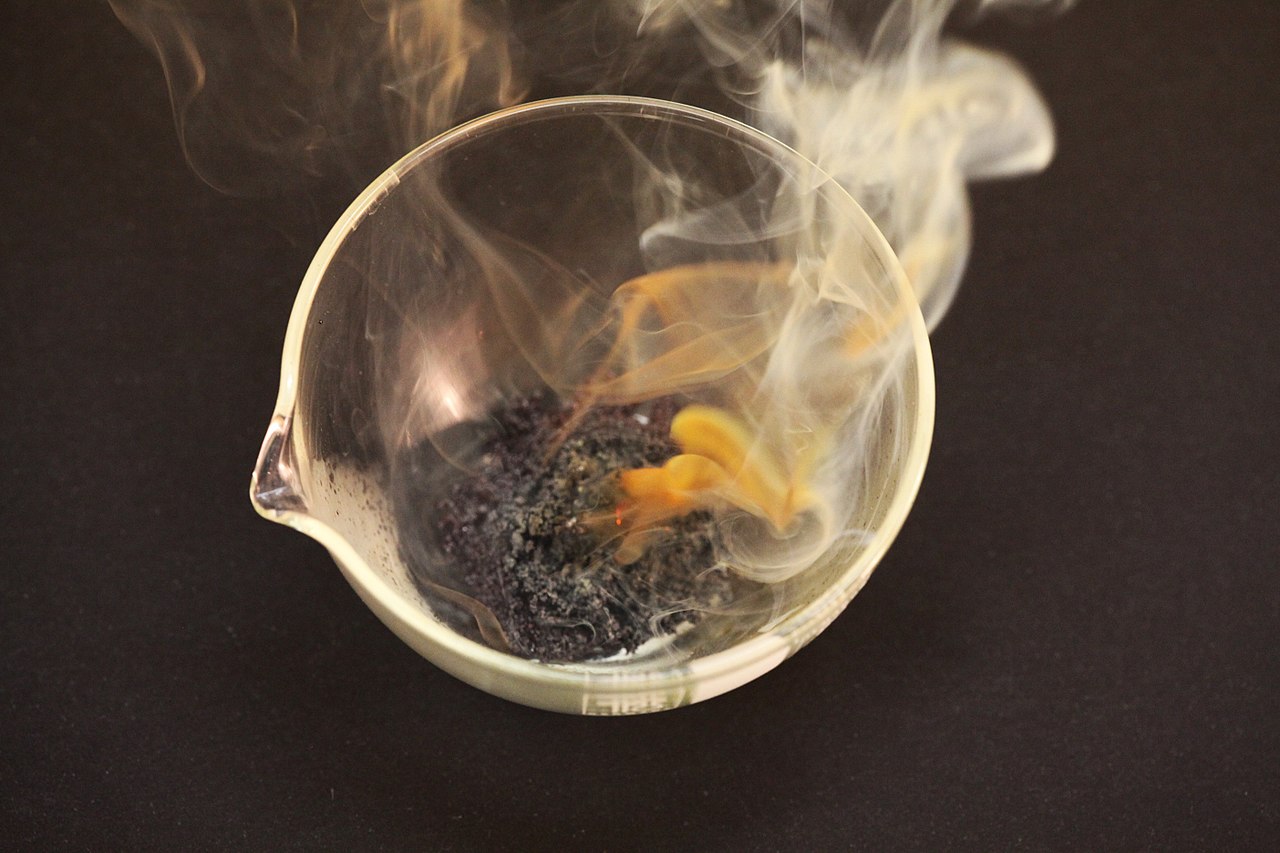
Historically CrO3 has been prepared by dehydration of chromic acid solutions or by oxidative routes from other chromium salts. It acts as an oxygen-transfer reagent in many redox reactions and is reduced to chromium(III) species in the process. In organic chemistry it is known for classical oxidations of alcohols to carbonyl compounds and appears in reagent systems such as chromic acid or Jones reagent. CrO3 can decompose on heating and contact with incompatible substances may produce hazardous conditions.
Uses
Chromium trioxide was widely used for glass cleaning and etching, metal pretreatment before plating, electroplating baths, and as an oxidant in laboratory organic synthesis. Over time many of these applications have been replaced by safer or more selective methods because of the compound's toxicity and environmental impact. For general chemical data consult compound databases and for synthetic applications see organic oxidation references.
Health, environmental impact and handling
Hexavalent chromium compounds, including CrO3, are toxic and classified as human carcinogens. Exposure routes include inhalation, ingestion and skin contact; effects can include severe skin and eye burns, respiratory damage and long-term health risks. CrO3 is essentially odorless and tasteless, so exposure is not reliably detected by the senses. Industrial use requires strict engineering controls, appropriate personal protective equipment and waste management procedures.
Environmental concerns arise because hexavalent chromium is mobile in water and toxic to aquatic life. Typical disposal practices convert hexavalent chromium to the less soluble and less toxic chromium(III) state prior to stabilization and regulated disposal; consult safety advisories and waste management guidance for local requirements.
History and regulation
Chromium trioxide played a central role in early chrome plating and decorative finishing. Growing evidence of occupational and environmental harm prompted regulatory restrictions and the development of alternative processes and substitutes. Summaries of regulatory changes and controls are available through regulatory history.
- Chemical formula: CrO3
- Oxidation state: chromium(VI)
- Appearance: red to dark crystalline solid
- Key cautions: strong oxidizer, corrosive, carcinogenic; regulated waste
Questions and answers
Q: What is chromium(VI) oxide?
A: Chromium(VI) oxide is a chemical compound, also known as chromium trioxide, with the chemical formula CrO3.
Q: What is the oxidation state of chromium in chromium(VI) oxide?
A: Chromium is present in its +6 oxidation state in chromium(VI) oxide.
Q: What kind of ions does chromium(VI) oxide have?
A: Chromium(VI) oxide has oxide ions.
Q: What is chromium(VI) oxide commonly used for?
A: Chromium(VI) oxide is commonly used in cleaning glass.
Q: Does chromium(VI) oxide have any odor or taste?
A: Chromium(VI) oxide is odorless and tasteless.
Q: What is the chemical formula of chromium(VI) oxide?
A: The chemical formula of chromium(VI) oxide is CrO3.
Q: Is chromium(VI) oxide a solid or a liquid?
A: Chromium(VI) oxide is a solid.
Related articles
Author
AlegsaOnline.com Chromium(VI) oxide (chromium trioxide) Leandro Alegsa
URL: https://en.alegsaonline.com/art/20215
Sources
- chemeurope.com : "ChemEurope--Chromium trioxide"