
Alaska Marine Highway (Alaska Marine Highway System)
State-run ferry network linking coastal Alaska and parts of the Pacific Northwest. Provides passenger, vehicle and freight transport, serving roadless communities with cabins, lounges, and scheduled seasonal routes.
The Alaska Marine Highway, formally the Alaska Marine Highway System (AMHS), is the state-operated ferry network that provides scheduled marine transport along much of Alaska's coastline and to points in the North Pacific. Run by the state transportation agency and headquartered in Ketchikan, the system functions as a public transportation lifeline connecting communities that lack road access as well as providing longer-distance travel to the contiguous United States.
Image gallery
3 Images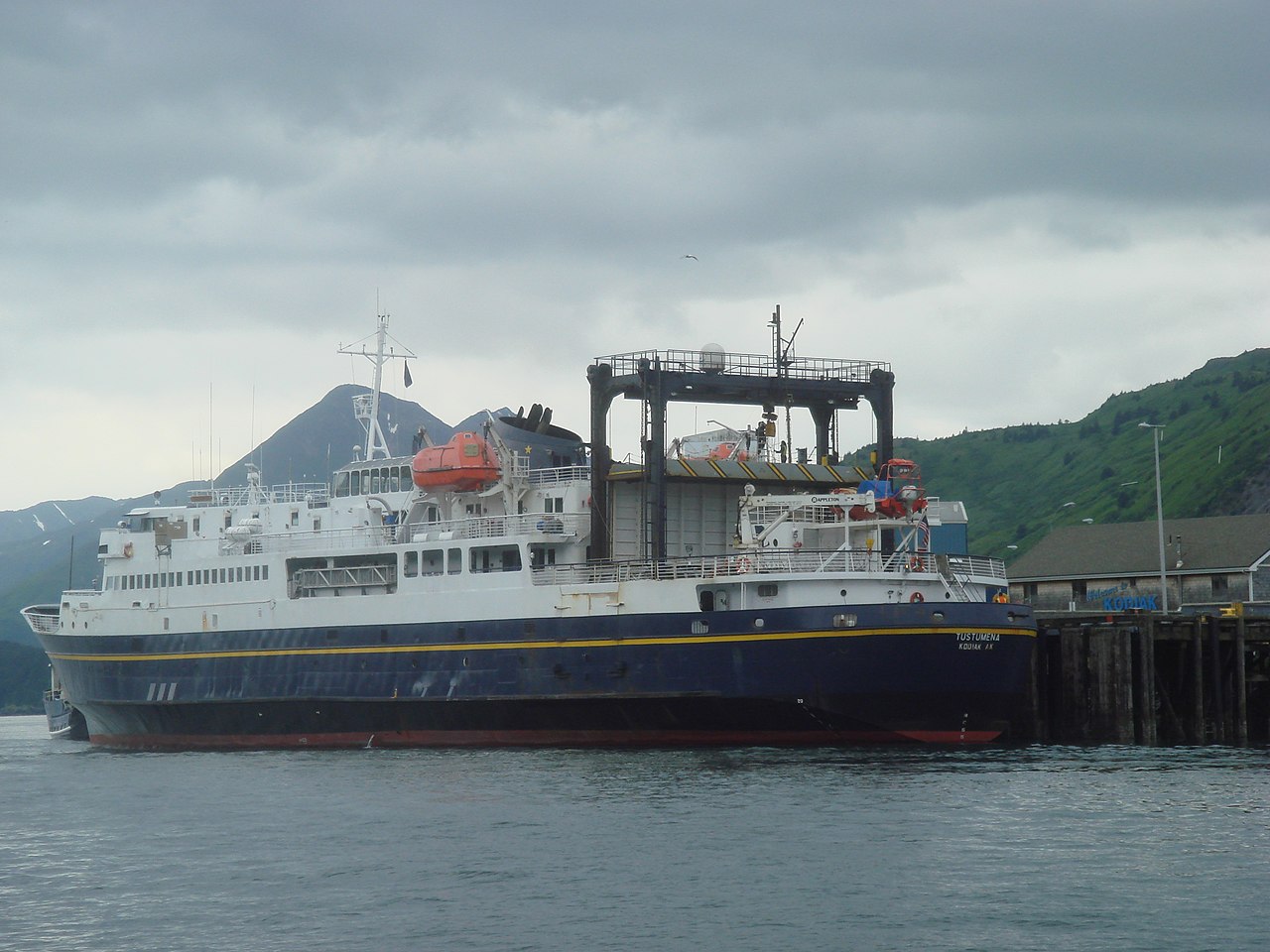

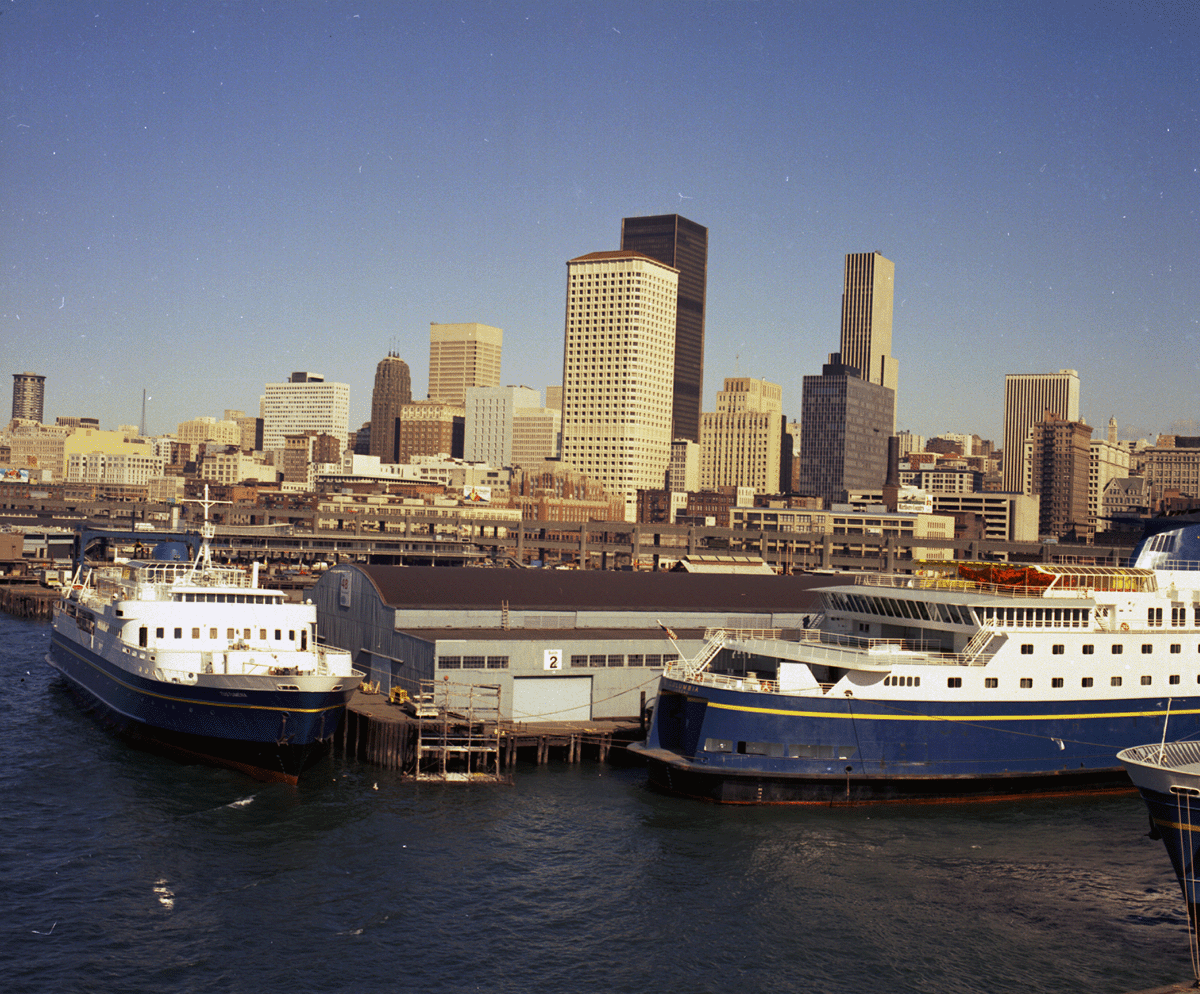
Services and vessel characteristics
AMHS vessels vary from smaller dayboats to larger ferries designed for overnight voyages. Typical accommodations include indoor lounges, private cabins, dining facilities and outdoor decks such as sun decks. Most ferries have vehicle decks that accept cars, trucks and small commercial vehicles for an extra fare, allowing passengers to bring personal or freight vehicles aboard.
Routes and operations
The network runs along Southeast Alaska, the Gulf of Alaska and selected inland passages, with some sailings extending to the Aleutian chain and seasonal or scheduled runs to Bellingham, Washington. Schedules change by season and weather; some routes operate year-round while others are most active in summer. For route maps and current schedules see official schedules and passenger information at service pages.
Typical uses and passenger experience
Passengers use the ferry for many purposes: routine travel between towns, tourism along scenic coastal corridors, transporting vehicles and household goods, or carrying small commercial freight. Onboard amenities support short and overnight trips—cabins for privacy, lounges for social space, and exterior decks for viewing. Reservations and vehicle space are recommended on popular sailings; fare and reservation details are published by the operator and local terminals offer ticketing information.
History, governance and notable facts
Created in the mid-20th century to improve marine links among Alaska communities, the system is managed as a component of the state's transportation department. It has evolved with a mixed fleet and periodic upgrades; it also relies on public subsidies and budget decisions to maintain service levels. For historical background and current governance resources consult overview pages.
Importance and challenges
AMHS is critical for access, economic activity and social connection in coastal Alaska, where roads cannot reach many settlements. The service faces operational challenges common to remote maritime systems: high costs of fuel and maintenance, weather-related disruptions, seasonal demand swings and the need to modernize an aging fleet. For community notices, fare changes and operational alerts visit system notices.
- Connects roadless communities and supports freight movement
- Offers passenger cabins, vehicle transport and public decks
- Schedules are seasonal and subject to weather
Tags
Related articles
Author
AlegsaOnline.com Alaska Marine Highway (Alaska Marine Highway System) Leandro Alegsa
URL: https://en.alegsaonline.com/art/2005
Sources
- dot.state.ak.us : Contact Us