
Cart — definition, history, types, and modern uses
A cart is a usually two-wheeled vehicle for carrying goods or people, pulled by animals or pushed by people; used for millennia and adapted today as shopping carts and workplace trolleys.
A cart is traditionally a small, often open vehicle designed to carry goods or people and typically mounted on two wheels. The basic form is recognizable across cultures: a simple vehicle with one axle and two wheels that reduces the effort needed to move loads. Early carts relied on human or animal power rather than engines, and their two-wheeled configuration remains a defining trait in many contexts, referenced here as two wheels rather than a four-wheeled wagon.
Image gallery
10 Images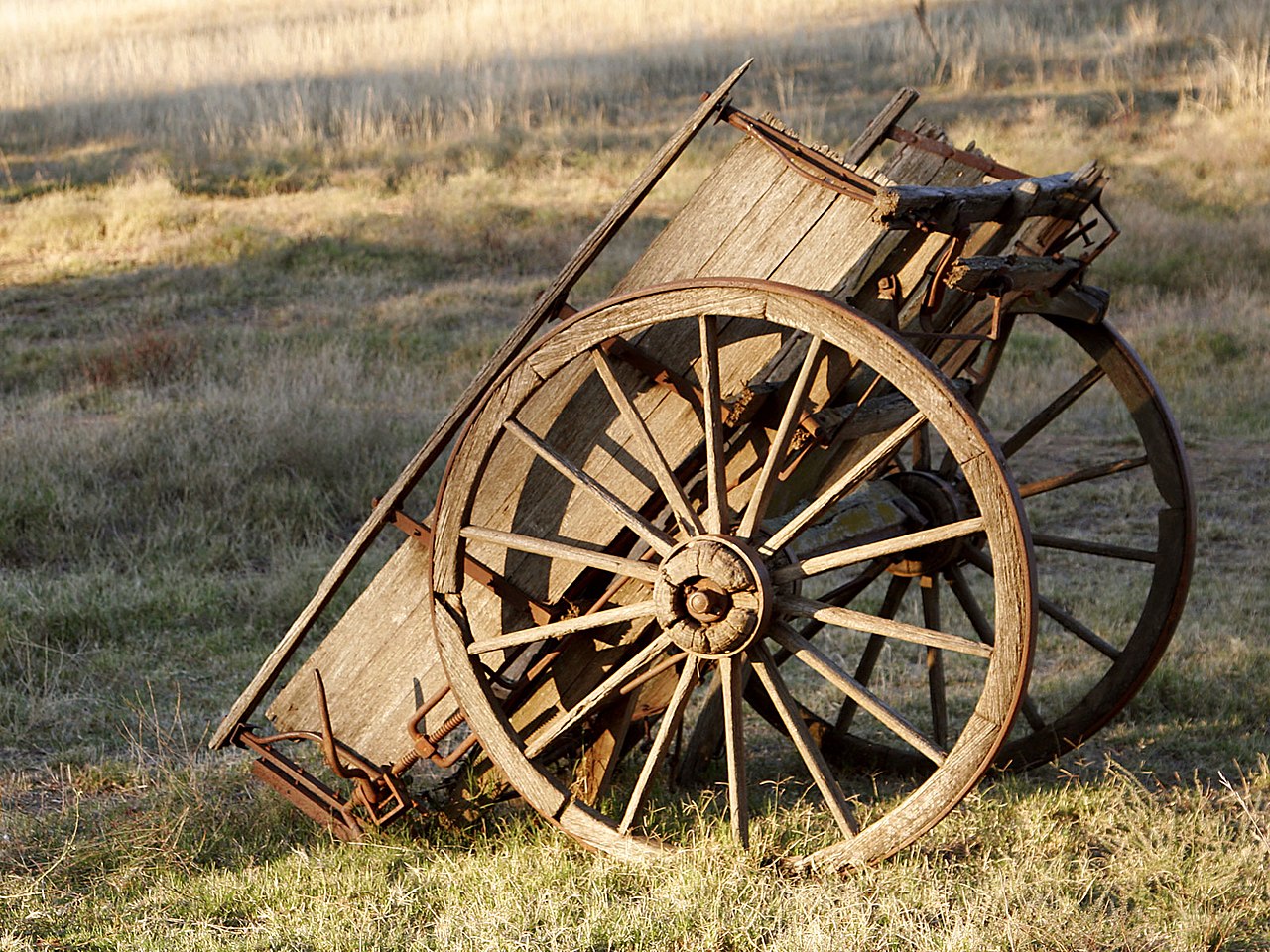


Propulsion and animals
Most historic carts were drawn by draft animals. Horses have been a common choice for speed and maneuverability, especially where travel was frequent; see horse as one example of a draft animal. In heavier agricultural settings oxen and other cattle were used for steady pulling power and endurance; examples include cattle. Smaller or lighter carts have been pulled by donkeys and mules in many regions, as indicated by donkey. A handcart is a cart sized to be pushed or pulled by a person and remains in use for pedestrian transport of goods.
Characteristics and construction
Carts are commonly constructed from timber and later reinforced with metal parts such as iron rims, axles, or bearings. Wheels vary from solid wooden disks to spoked designs with metal tires. The two-wheel layout concentrates weight over the axle and allows a draft animal or person to balance the load, while larger four-wheeled vehicles are usually called wagons. Related but distinct vehicles include chariots, designed for speed in warfare, and wheelbarrows, which are typically single-wheeled and human-operated.
History and development
Carts have been in use for several millennia and are documented in many ancient societies. Their development paralleled wheel and axle technology and enabled wider transport of agricultural produce, building materials, and trade goods. Over centuries the basic cart was adapted to local needs, climates, and animal availability, producing a wide variety of regional forms and harnessing techniques.
Modern forms and uses
In modern times the cart concept persists in many specialized forms. The retail shopping cart, which first appeared in Oklahoma City in 1937, is now ubiquitous in supermarkets. Industrial and airport trolleys, garden carts, and handcarts for street vendors are further adaptations. Materials have shifted toward steel and molded plastics for durability and hygiene, and mechanical innovations include swivel casters and foldable designs.
Types and notable distinctions
- Handcart: human-powered, used for short-range hauling.
- Draft cart: animal-drawn, two-wheeled forms for goods or people.
- Shopping cart: wheeled basket for retail customers, standardized in stores.
- Wagon vs cart: wagons are typically four-wheeled and carry heavier or larger loads; carts usually have two wheels.
Understanding carts involves both their mechanical simplicity and their cultural adaptations: small changes in wheel design, materials, or harnessing can reflect centuries of local practice and technological progress.
Tags
Related articles
Author
AlegsaOnline.com Cart — definition, history, types, and modern uses Leandro Alegsa
URL: https://en.alegsaonline.com/art/17310