
Chopsticks: history, types, and cultural uses
Paired sticks used as eating utensils across East and Southeast Asia; covers design, materials, regional varieties, etiquette, and cultural significance.
Overview
Chopsticks are a pair of slender sticks used as eating utensils and basic tools for handling food. They are a central part of dining in many East and Southeast Asian cultures and are considered a form of cutlery in culinary classifications. For a general introduction to eating implements, see cutlery. The most prominent countries where chopsticks are everyday utensils include China, Japan, Korea, Malaysia, and Vietnam.
Image gallery
10 Images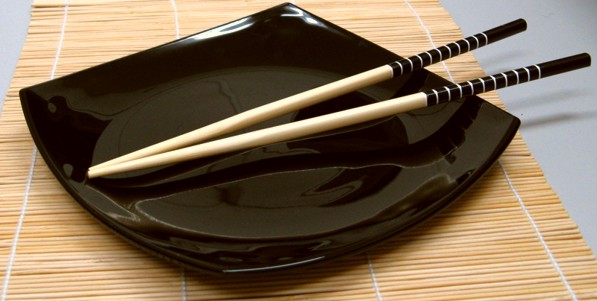


Materials and forms
Chopsticks vary widely by material and form. Common materials include wood, bamboo, and plastic, which are inexpensive and widely produced. Metal chopsticks are also used in some areas, and precious metals such as gold or silver have historically been made for wealth display or ceremony. Less common materials include ivory in older objects (now restricted on conservation grounds) and composite or lacquered finishes for decorative sets.
Design differences
Regional differences affect length, cross-section, and tip shape. Chinese-style chopsticks tend to be longer and thicker, suited for communal dishes. Japanese chopsticks are usually shorter with tapered points for delicate pieces, and Korean metal chopsticks are often flat and shorter. Disposable wooden or bamboo chopsticks are prevalent in many restaurants and for takeout, while reusable sets are common at home and in ceremonial contexts.
History and cultural significance
The use of paired sticks as eating tools began in ancient East Asia and spread with culinary and cultural influence. Beyond practical dining, chopsticks hold symbolic and ritual importance: they appear in religious offerings, wedding gifts, and traditional etiquette rules. Their adoption outside Asia is often linked to the global popularity of oriental cuisines, where they are offered in restaurants and appreciated for cultural authenticity.
Etiquette, uses and notable facts
Proper chopstick etiquette varies by culture but commonly discourages actions such as stabbing food, pointing with chopsticks, or passing food directly from one pair of chopsticks to another. They are used not only for eating but also for cooking (stirring, frying), serving, and food presentation. Environmental concerns have arisen over the mass production of disposable chopsticks, prompting efforts toward recycling, sustainable sourcing, and promotion of reusable sets.
Practical guidance
- When learning, practice picking up small objects to gain control.
- If unsure in a social setting, follow the host’s lead on customs.
- For more detailed cultural notes or regional variations, consult resources on Chinese, Japanese, and Korean dining customs.
- See materials and manufacturing comparisons for wood, bamboo, and plastic options.
For further reading about their role in different cuisines and traditions, explore introductory guides and cultural histories related to chopsticks and regional dining practices via links on general cutlery, materials, and culinary traditions: cutlery overview, Malaysia, Vietnam, and design details in gold or silver examples.
Questions and answers
Q: What are chopsticks?
A: Chopsticks are sticks used in pairs as cutlery.
Q: Where are chopsticks traditionally used?
A: Chopsticks are the traditional eating utensils of some countries including China, Japan, Korea, Malaysia, and Vietnam.
Q: What materials can chopsticks be made from?
A: Chopsticks can be made of wood, gold, silver, ivory, bamboo, or plastic.
Q: Are gold and silver chopsticks heavier than wooden ones?
A: Yes, gold and silver chopsticks are considerably heavier than normal wooden chopsticks and also considered to be extravagant.
Q: Where are chopsticks mainly used today?
A: Today chopsticks are mainly used in China and neighboring countries. Elsewhere they may be used in restaurants serving oriental cuisines.
Q: Are there any special occasions when people use gold or silver chopstick sets?
A: Yes, gold and silver chopstick sets may be used for special occasions such as weddings or other celebrations where extravagance is desired.
Tags
Related articles
Author
AlegsaOnline.com Chopsticks: history, types, and cultural uses Leandro Alegsa
URL: https://en.alegsaonline.com/art/19972
Sources
- chineseculture.about.com : "Chinese Chopsticks"
- itotd.com : "Tableware taboos:civilising mealtime"
- uglychinese.org : "The Huns - Part 1"
- m-w.com : "Definition of chopstick"
- mothra.rerf.or.jp : "Things Japanese - Chopsticks (Hashi)"
- minnesota-china.com : "China Protocol tips (PDF file)"
- whatjapanthinks.com : "Japanese Chopsticks (Ohashi) Etiquette Errors"
- japanvisitor.com : "The Waribashi Conundrum"
- japanese-restaurants.net : "Chopsticks"
- ajc.com : "Disposable chopsticks under attack in China, the Wall Street Journal"
- independent.co.uk : "The true price of disposable chopsticks, The Independent"
- treehugger.com : "Bring Your Own Chopsticks Movement Gains Traction in Asia"
- webmd.com : "Chopstick use may lead to aching hand, WebMD"
- niams.nih.gov : "Using Chopsticks a Risk Factor for Osteoarthritis in the Hand, at NIAMS"
- news.xinhuanet.com : "Whiter chopsticks raise health risk"