
Chopstick rest (hashioki): purpose, types, etiquette and history
A chopstick rest (hashioki) is a small tableware object used to hold chopsticks off the table. This article explains its forms, materials, placement, cultural uses and a brief history.
Overview
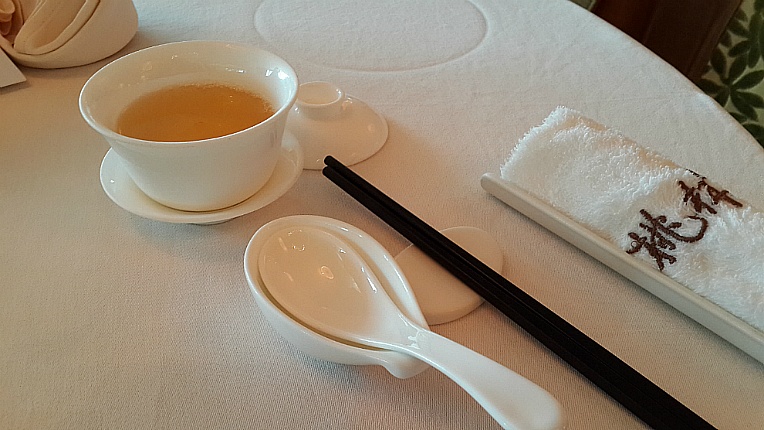
A chopstick rest, known in Japanese as hashioki, is a small support placed on a dining table to keep chopsticks elevated when they are not in use. Its main purposes are hygienic — preventing the tips from touching the table — and practical, preventing chopsticks from rolling away. While simple in function, chopstick rests range from plain utilitarian shapes to finely crafted decorative pieces.
Image gallery
10 Images


Materials and common forms
Hashioki are made from many materials. Traditional and contemporary examples include ceramic and clay, carved or lacquered wood, blown or molded glass, and hardstone such as jade. Metal, polymer and composite rests are also found. Simple designs may be rectangular blocks or half-rolls; more elaborate versions take the form of animals, plants, miniature objects, knots or abstract geometry. Some restaurants and home hosts prepare temporary rests by folding disposable chopsticks into an origami shape; this DIY approach is practical and widely practiced using the split ends of disposable chopsticks.
Typical use and etiquette
In a formal Japanese place setting the chopstick rest is positioned near the front-left of the dishes. The chopsticks themselves are laid parallel to the table edge with the tapered tips pointing to the left. This placement keeps tableware orderly and signals that the user has paused or finished eating. Using a rest avoids placing chopstick tips directly on shared surfaces and prevents the crosswise placement or vertical sticking of chopsticks, which can be considered impolite or evoke funeral imagery in some cultures.
Regional differences and customs
While common in Japan, chopstick rests are less ubiquitous in informal Chinese and Korean settings where different conventions exist. In those cuisines, rests are often used at formal meals or in higher-end restaurants, but many everyday meals rely on the bowl or a designated side plate to support chopsticks.
History, production and contemporary role
The hashioki evolved alongside chopstick culture; as dining became more formalized, small rests were adopted to improve hygiene and table presentation. Craftspeople produce rests through pottery, woodworking, stone carving and glassmaking techniques. Collectible rests, seasonal motifs and sets appear as souvenirs or gifts. Modern designers continue to experiment with materials and forms, blending traditional symbolism with minimalist or playful aesthetics.
Practice tips and notable facts
- When a rest is provided, use it rather than resting chopsticks on dishes.
- Avoid sticking chopsticks upright into a bowl of rice; this resembles ritual offerings and is regarded as bad form in many East Asian cultures.
- Portable or foldable rests made from disposable pairs are a convenient alternative while traveling or dining casually.
For a quick reference on chopstick basics, see a general guide to chopsticks. For material-specific care, consult resources on clay ware, wood finishes and glass tableware. The practice of placing rests and arranging settings is especially well established in Japan, where hashioki are integrated into formal dining protocols and seasonal table decoration.
Questions and answers
Q: What is a chopstick rest?
A: A chopstick rest is a piece of tableware used to keep chopsticks away from the table and prevent used chopsticks from coming in contact with or rolling off tables.
Q: What materials are chopstick rests made of?
A: Chopstick rests are made from various materials including clay, wood, glass, or precious stones such as jade.
Q: How do some people prepare chopstick rests?
A: Some people prepare chopstick rests from bags of half-split disposable chopsticks in an origami manner.
Q: Where are chopstick rests usually used in Japan?
A: In Japan, chopstick rests are usually used at formal dinners and placed on the front-left side of the dishes.
Q: How are chopsticks placed on chopstick rests?
A: Chopsticks are placed parallel to the table edge with the points towards the left.
Q: What is the purpose of a chopstick rest?
A: The purpose of a chopstick rest is to keep chopsticks off the table and prevent them from rolling off or coming in contact with the table.
Q: What are some common materials used to make chopstick rests?
A: Common materials used to make chopstick rests include clay, wood, glass, and precious stones such as jade.
Related articles
Author
AlegsaOnline.com Chopstick rest (hashioki): purpose, types, etiquette and history Leandro Alegsa
URL: https://en.alegsaonline.com/art/19971
Sources
- geocities.jp : "A video of folding a chopstick rest from a bag (website in Japanese)"
- homepage2.nifty.com : ""箸袋で作る箸置き" (How to fold a chopstick rest from a bag?) (website in Japanese)"