
Antipsychotic (Neuroleptic) Drugs: Overview, Uses, and Effects
Antipsychotics (neuroleptics) are central nervous system drugs used mainly to treat psychosis and related conditions. This article explains their types, history, uses, mechanisms and common side effects.
Antipsychotic (also called neuroleptic) refers to a class of drugs that act on the central nervous system to reduce symptoms of psychosis and agitation. Many have calming or sedating effects. The word "neuroleptic" emerged in the 1950s; since the 1990s the term "antipsychotic" has been used more widely to reflect therapeutic goals rather than a single clinical effect.
Image gallery
3 Images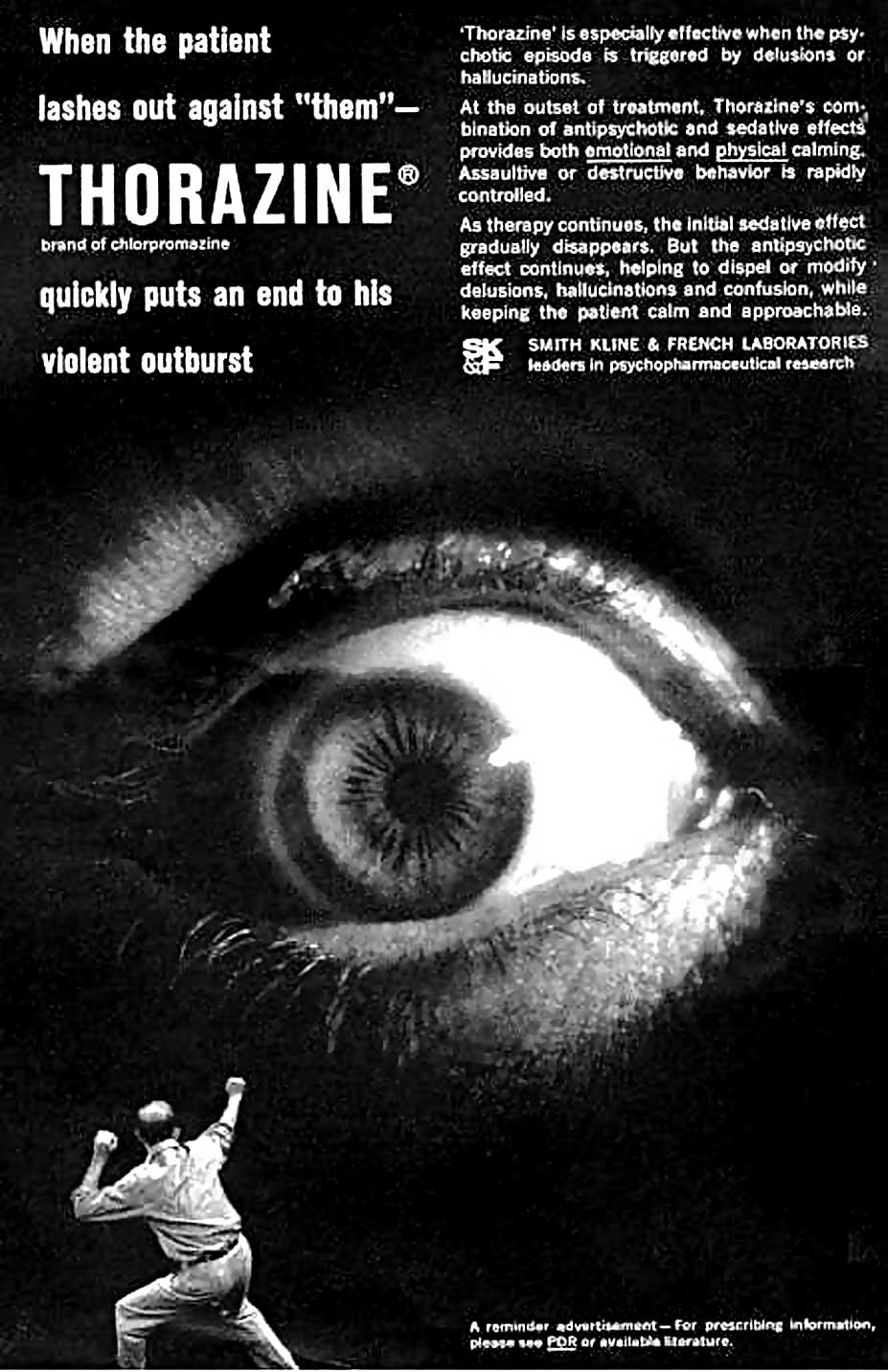


What they are and how they work
Antipsychotics alter brain neurotransmission to reduce hallucinations, delusions, severe thought disorder and extreme agitation. Earlier, or "typical," agents primarily block dopamine D2 receptors. Later, "atypical" antipsychotics have broader actions, often affecting serotonin receptors as well as dopamine, which can change both therapeutic benefits and side-effect profiles. The balance of receptor effects influences clinical choices and tolerability.
Clinical uses
Antipsychotics are principally prescribed for psychosis, including the psychotic features of schizophrenia and bipolar disorder. They are also used for acute agitation, severe mania, psychotic depression, and as adjuncts when mood or behavioral symptoms are resistant to other treatments. Some agents have antiemetic or calming uses in medical settings.
- Treatment of schizophrenia spectrum disorders
- Management of acute manic or mixed episodes in bipolar disorder
- Short-term control of agitation or aggression
- Adjunctive therapy in treatment-resistant depression or severe anxiety
- Special procedures: combined with an opioid to produce neuroleptanalgesia, a state in which the patient is highly sedated but may remain conscious and relatively free of pain, functioning as an analgesic technique
History and development
The introduction of chlorpromazine in the early 1950s revolutionized psychiatric care by offering a drug-based way to control psychotic symptoms, reduce institutionalization, and enable more focused psychosocial therapies. The label "neuroleptic" reflected the calming motor and affective effects noted with early agents. Subsequent decades produced multiple drugs in different chemical classes, and since the 1990s research and practice emphasized newer agents with potentially fewer movement-related side effects.
Side effects and important distinctions
Antipsychotics vary widely in safety and tolerability. Common adverse effects include sedation, weight gain, metabolic changes (such as raised blood glucose and lipids), and anticholinergic symptoms. First-generation drugs are more strongly associated with extrapyramidal side effects (rigidity, tremor, acute dystonia) and long-term risk of tardive dyskinesia. Second-generation agents often cause metabolic syndrome and increased appetite rather than pronounced movement disorders, though exceptions exist.
- Movement disorders: acute and chronic extrapyramidal symptoms
- Metabolic effects: weight gain, dyslipidemia, diabetes risk
- Hormonal effects: elevated prolactin with some drugs
- Cardiovascular: orthostatic hypotension, QT prolongation in certain agents
Choosing and monitoring treatment
Clinicians select an antipsychotic by weighing symptom profile, prior response, side-effect risk, patient preference and comorbid medical conditions. Regular monitoring typically includes metabolic screening, movement disorder assessment, and attention to cardiovascular and endocrine indicators. When used in combination with other medicines—such as opioids for procedural sedation—careful dosing and monitoring are essential to avoid excessive respiratory depression or profound sedation.
Antipsychotics remain a cornerstone of modern psychiatric treatment. Their development transformed care for people with severe mental illness, but their benefits must be balanced against meaningful side effects. Ongoing research continues to seek therapies that preserve symptom control while reducing long-term risks.
Further reading | CNS actions | Sedation effects | Psychosis overview | Schizophrenia resources | Bipolar care | Opioid interactions | Analgesic methods | Pain management
Related articles
Author
AlegsaOnline.com Antipsychotic (Neuroleptic) Drugs: Overview, Uses, and Effects Leandro Alegsa
URL: https://en.alegsaonline.com/art/4684