
Chicken nuggets: composition, history, varieties and cultural impact
Compact overview of chicken nuggets: what they are, how they are made, history and commercialization, common varieties, nutritional considerations, and cultural significance.
Overview
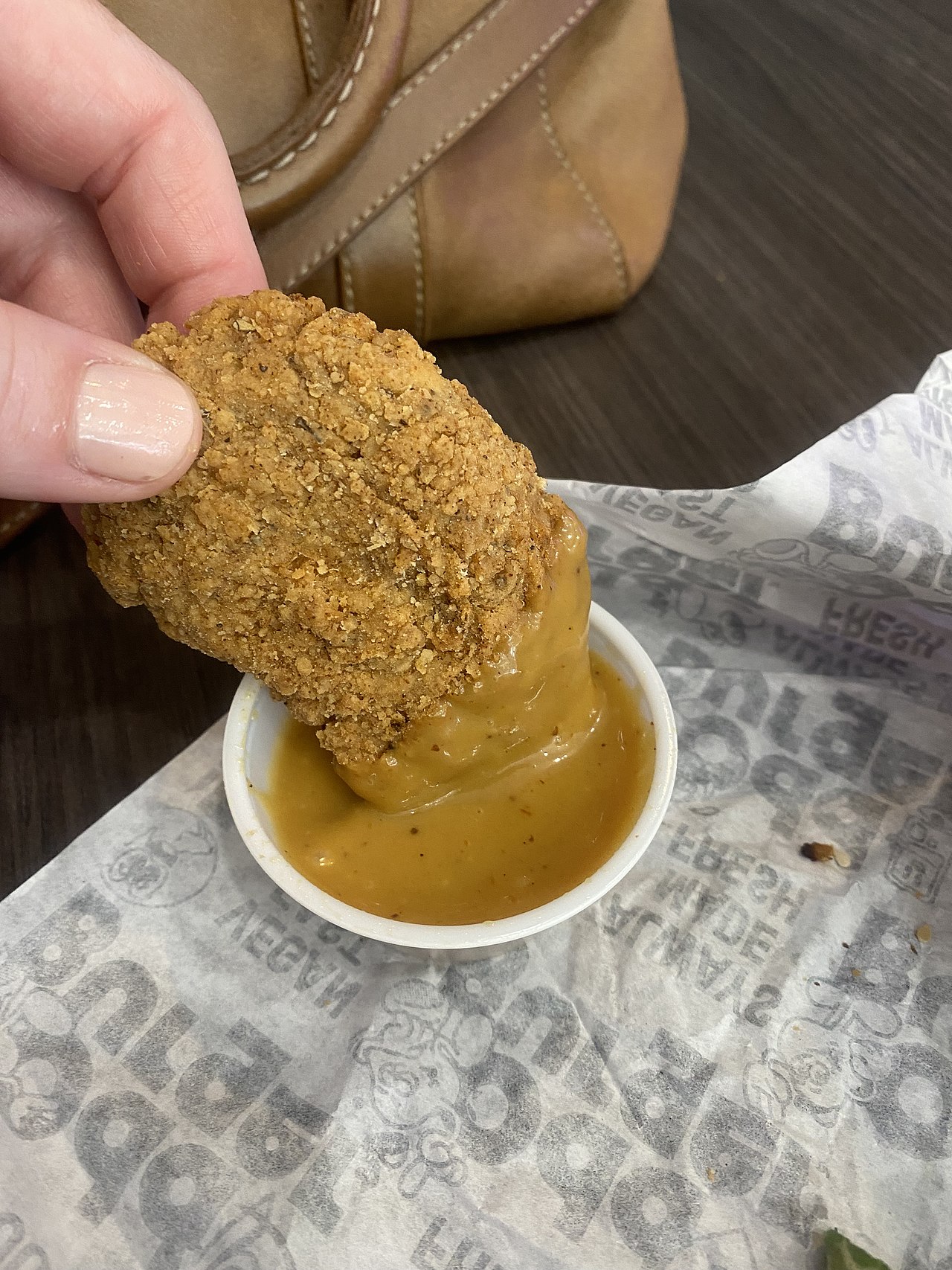
Chicken nuggets are small portions of chicken meat that have been shaped, coated, and cooked for quick consumption. Sold widely by restaurants and in supermarkets, they are typically breaded or battered before frying or baking to create a crisp exterior and a tender interior. They are served plain, with dipping sauces, or incorporated into prepared meals and snacks.
Image gallery
6 Images




Composition and production
Commercial nuggets range from whole-muscle pieces to formed products made from minced or restructured poultry. Typical steps in manufacturing include: grinding or cutting chicken, seasoning, forming into shapes, applying a wet batter and dry breading, pre-cooking (par-frying), freezing, and final cooking by the consumer or food service provider. Ingredients and techniques vary by brand and by whether the product is intended for home use or restaurants.
- Common ingredients: chicken meat, salt, spices, binders, and breading.
- Two broad types: whole-muscle pieces (often labeled "chicken tenders") and formed/restructured nuggets.
- Processing choices affect texture, cost, and labeling.
History and commercialization
The idea of bite-sized, breaded poultry developed from mid-20th-century advances in food processing that allowed companies to reshape and freeze meat. Fast-food chains and frozen-food manufacturers popularized nuggets as a convenient, child-friendly menu item. Major chains and brands each offer signature styles; for example, McDonald's Chicken McNuggets became a prominent commercial product associated with the format. For more on ingredients and labeling see ingredients and on production methods see manufacturing processes.
Varieties, uses and examples
Nuggets appear in many forms: homemade versions using whole-chicken pieces, frozen supermarket brands, limited-time flavored variations, and plant-based alternatives that mimic texture and taste. They are common at fast-food outlets, in school cafeterias, and in retail frozen-food aisles. Variants may be coated with different batters, seasoned regionally, or served with a range of sauces.
Nutrition and health considerations
Nutritional profiles vary widely. Processed nuggets can be relatively high in sodium, fat, and additives compared with fresh-cooked chicken. Whole-muscle preparations and homemade recipes can offer a leaner option. Many manufacturers now produce lower-sodium, whole-meat, or plant-based alternatives to meet dietary preferences and restrictions.
Notable distinctions and cultural impact
Chicken nuggets illustrate how processing technology shaped modern convenience foods. They are culturally significant as a ubiquitous fast-food item and have inspired variations, creative menus, and debates about nutrition and labeling. Understanding the difference between whole-muscle and formed products helps consumers make informed choices about taste, texture, and ingredient transparency.
Related articles
Author
AlegsaOnline.com Chicken nuggets: composition, history, varieties and cultural impact Leandro Alegsa
URL: https://en.alegsaonline.com/art/19570