
Chicago Sanitary and Ship Canal
A 28-mile canal in northeastern Illinois that reversed the Chicago River, links the Great Lakes to the Mississippi system, and serves navigation, sanitation, and flood control; listed on the NRHP in 2011.
Overview
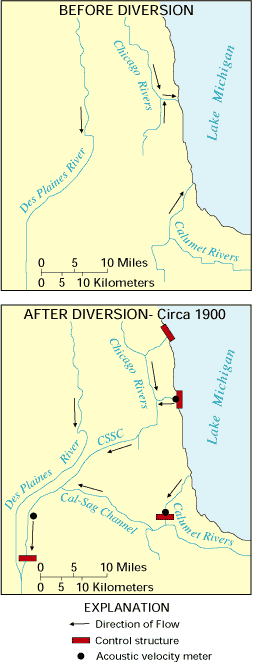
The Chicago Sanitary and Ship Canal is a man-made waterway about 28 miles (45 km) long that links the city’s river system to the Des Plaines River. It was constructed to carry wastewater away from the Lake Michigan intake and to provide a navigable route connecting the Great Lakes with inland river systems. By design the canal reversed the flow of the Main Stem and South Branch of the Chicago River, causing those channels to discharge away from Lake Michigan rather than into it.
Image gallery
8 Images



Design and route
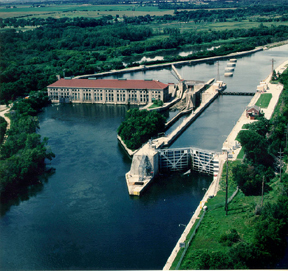
The canal runs from the Chicago River southwestward to meet the Des Plaines River, forming a continuous link between the Great Lakes Waterway and the Mississippi River basin. It is built with engineered banks, control structures and locks that allow commercial navigation and manage water levels. As part of the wider Chicago Area Waterway System, the canal carries both vessel traffic and treated effluent away from the lakeshore.
History and development
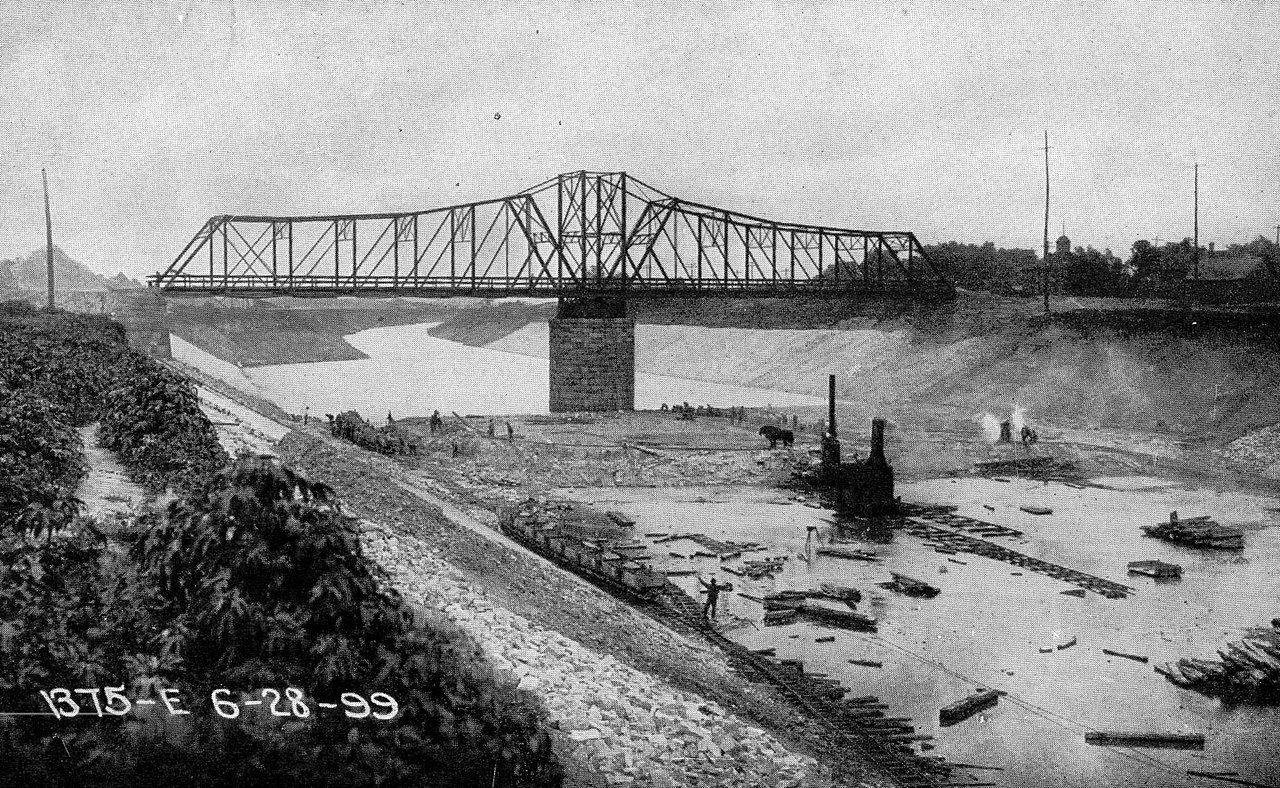
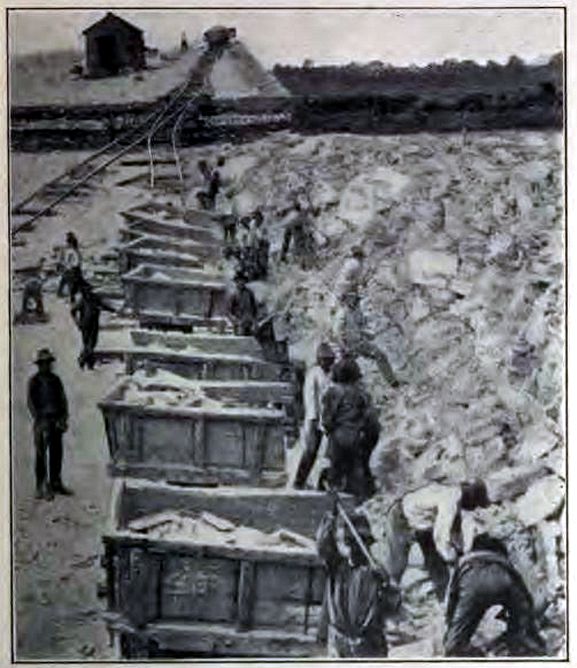
Work on the canal took place in the late 19th century and it began operating around the turn of the 20th century. The primary motive was public health: Chicago relied on Lake Michigan for drinking water, and municipal planners sought to prevent sewage from contaminating the intake sources by directing outflow toward the Illinois River and ultimately the Mississippi. The project was a major engineering undertaking for its era and reshaped regional hydrology and commerce.
Uses, importance, and impacts
- Navigation: it provides the only continuous navigation route between the Great Lakes and the Mississippi River system, enabling barge and ship movement of goods.
- Sanitation and water management: the canal was intended to protect municipal water supplies and to relieve flooding in low-lying areas.
- Environmental effects: the artificial connection of two major aquatic systems altered habitats and raised concerns about invasive species. Management efforts, including barriers and monitoring, aim to limit the movement of nonnative fish and organisms.
Notable facts and preservation
The canal is recognized for its historic engineering significance and was added to the National Register of Historic Places on December 20, 2011. It remains a critical piece of regional infrastructure operated and maintained by local sanitation and water authorities. Contemporary issues around the canal combine transportation, urban water quality, invasive-species prevention, and historical conservation.
For further technical, historical, or environmental information, consult agency reports and regional waterway resources or visit agency websites and archival material linked through official channels (Chicago River sources, Des Plaines River materials, Lake Michigan studies, Mississippi watershed reports).
Related articles
Author
AlegsaOnline.com Chicago Sanitary and Ship Canal Leandro Alegsa
URL: https://en.alegsaonline.com/art/19527
Sources
- asce.org : "Chicago Wastewater System"
- cr.nps.gov : "Announcement"