
Civil engineering: scope, disciplines, history, and professional practice
Comprehensive overview of civil engineering: definition, main disciplines, life cycle of infrastructure, education and licensure, materials and methods, societal role, sustainability and contemporary challenges.
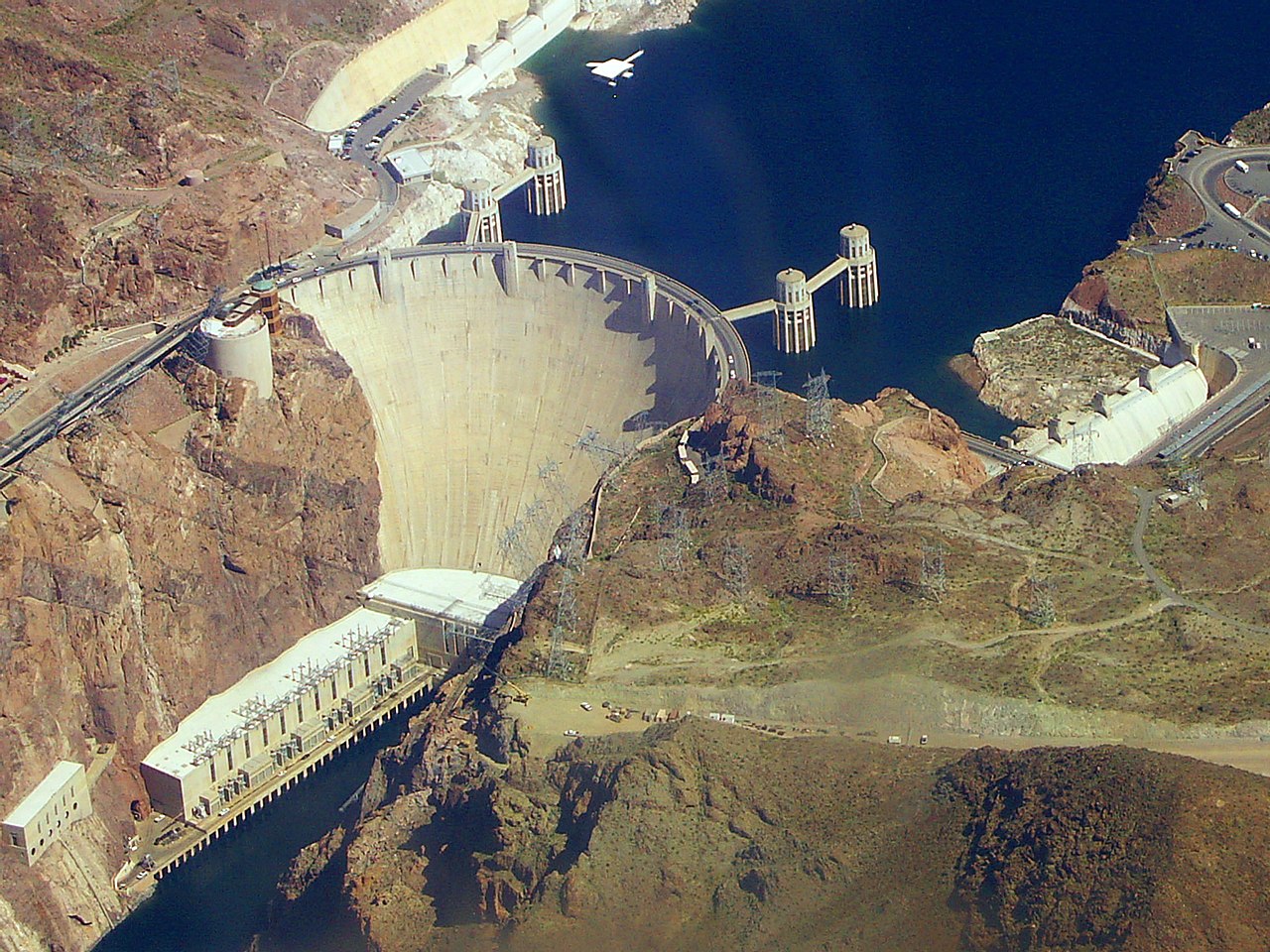
Civil engineering is the branch of engineering concerned with the planning, design, construction, operation and maintenance of the built environment. It encompasses large-scale works such as bridges, dams, buildings and tunnels, and extends to networks and systems that support communities, for example water supply, irrigation and sewage systems. While some civil engineers specialise in monumental projects, many work on the design and construction of everyday structures including houses and local facilities.
Image gallery
10 Images





Main areas of practice
Civil engineering is an umbrella for several interrelated disciplines. Common subdivisions include:
- Structural engineering: analysis and design of load-bearing elements of buildings, bridges and other structures.
- Geotechnical engineering: study of soil, rock and foundations (geotechnical).
- Hydraulic and water resources: planning of reservoirs, dams, flood control and hydrology.
- Transportation engineering: design and operation of roads, railways and transit systems.
- Environmental engineering: treatment of water and waste, pollution control and sustainable design (environmental).
- Materials and construction management: selection of building materials and oversight of construction processes (construction management).
Large projects typically draw on several of these areas simultaneously: for example, a highway requires geotechnical investigation, drainage design informed by hydrology, structural design for bridges, and site construction management. Civil engineering also frequently overlaps with architecture in matters of form, function and public space.
Roles and life cycle of infrastructure
Civil engineers participate at every stage of an infrastructure project's life: initial feasibility and planning and construction, detailed design, site supervision, commissioning, long-term maintenance and eventual rehabilitation or demolition. They produce working drawings, technical specifications, risk assessments and cost estimates, and coordinate with public authorities, contractors and communities to ensure safe and durable outcomes. The concept of the infrastructure life cycle emphasises that design decisions affect operational costs, sustainability and resilience over decades.
Historical perspective
The origins of civil engineering trace back to ancient societies that required organised works for irrigation, roads and public buildings; over time methods and materials evolved from masonry and timber to steel and reinforced concrete. The formal profession emerged during the industrial era as urbanisation, railways and large hydraulic works demanded specialised skills and systematic education.
Education, training and entry to practice
Becoming a professional civil engineer typically requires formal tertiary education at a university or college, where students study subjects such as statics and dynamics, physics, calculus, materials science and design codes. Practical learning is reinforced by field experience: construction workers and technicians often undergo combined classroom and on-site apprenticeships (apprenticeship) and learn through training and on the job mentoring. Entry to professional registers commonly requires a combination of accredited academic qualifications and supervised work experience.
Professional organisations and certification
Professional bodies represent civil engineers, set ethical standards and provide continuing professional development. Examples include national institutions that accredit programs and run certification processes. Many engineers pursue chartered or licensed status to demonstrate competence: this process commonly requires documented experience, a written submission and an interview before a panel of experienced practitioners. Professional recognition promotes public safety and ensures engineers meet consistent standards.
Societal importance and public services
Civil engineers are responsible for many essential services that allow a society to function: safe drinking water, effective sewage treatment, dependable transport corridors such as roads and rail, and resilient public buildings. Projects can have wide economic and social impacts; therefore engineers must consider accessibility, public health and community engagement alongside technical performance.
Materials, methods and innovation
Material science is central to civil engineering: concrete, steel, timber, masonry and composites each have characteristic strengths, durability and embodied environmental cost. Construction methods range from traditional masonry to modern modular construction and prefabrication. Digital tools—building information modelling, structural analysis software, geographic information systems—support design, coordination and asset management throughout a structure's life.
Sustainability and contemporary challenges
Contemporary practice places increasing emphasis on sustainability: reducing embodied carbon, improving energy efficiency, managing stormwater naturally, and designing for climate resilience. Engineers adopt life-cycle assessment and adaptive design to reduce environmental impact. Urbanisation, ageing infrastructure and extreme weather events present ongoing challenges that require interdisciplinary responses and long-term planning.
Career paths and related occupations
Civil engineers may specialise in design, site supervision, project management, research or policy. They collaborate with surveyors, planners, architects and construction workers, and with specialists in environmental science, economics and community engagement. Training pathways vary by country but often combine academic study at a university with practical experience and, in many jurisdictions, formal licensure.
Further reading and resources
Readers interested in specific topics can explore technical guides and institutional publications on topics such as bridge design, urban transport planning, water-supply engineering (water) and flood management (hydrology). Practical training resources and apprenticeship information are available for those entering trades and site roles (training, apprenticeship). For policy or professional questions, national institutions and engineering societies provide authoritative guidance and accreditation details.
Questions and answers
Q: What is civil engineering?
A: Civil engineering is the work of designing and building infrastructure such as bridges, dams, buildings, tunnels, water systems, irrigation networks and sewerage networks. It also covers the construction of houses and homes.
Q: How does civil engineering overlap with architecture?
A: Civil engineering often overlaps with architecture as both involve designing and constructing large structures.
Q: What are some important areas in civil engineering?
A: Important areas in civil engineering include geotechnical, structures, environmental, construction management, hydrology, transportation and materials.
Q: What kind of things do civil engineers create?
A: Civil engineers are responsible for creating safe water supplies, sewage treatment systems, roads railways and buildings which are all essential for a society to function properly.
Q: How can someone become a professional in civil engineering?
A: To be a professional in civil engineering requires studying at a university or college where subjects like structures, materials physics and calculus will be studied.
Q: Who represents the profession of civil engineers?
A: The profession of civil engineers is represented by professional bodies in various countries such as the Institution of Civil Engineers (UK) or American Society of Civil Engineers (USA).
Q: What is required to gain chartership as an engineer?
A: Professional engineers who wish to become Chartered Engineers need to write an essay and take an interview with a panel of experienced engineers.
Related articles
Author
AlegsaOnline.com Civil engineering: scope, disciplines, history, and professional practice Leandro Alegsa
URL: https://en.alegsaonline.com/art/20589