
Chiang Mai province, Northern Thailand
Northern Thai province known for mountains, the historic Lanna cultural center, national parks, hill-tribe communities, agriculture and tourism. Capital city Chiang Mai lies several hundred km north of Bangkok.
Chiang Mai province occupies a large swath of northern Thailand and functions as a cultural and geographic gateway to the country's mountainous borderlands. It is one of Thailand's largest provinces by area and shares frontiers with several Thai provinces and with Myanmar (Shan State) to the north. The provincial capital, Chiang Mai city, is the region's principal commercial, educational and cultural hub, located several hundred kilometres north of Bangkok.
Image gallery
10 Images
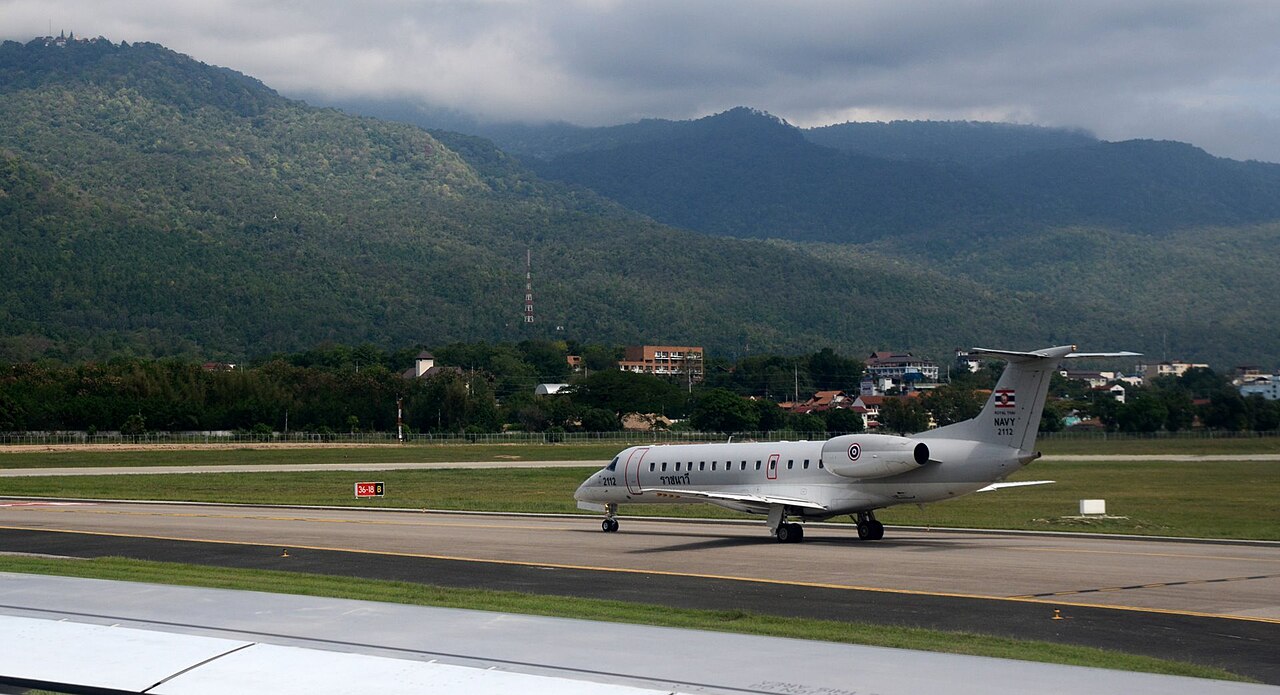


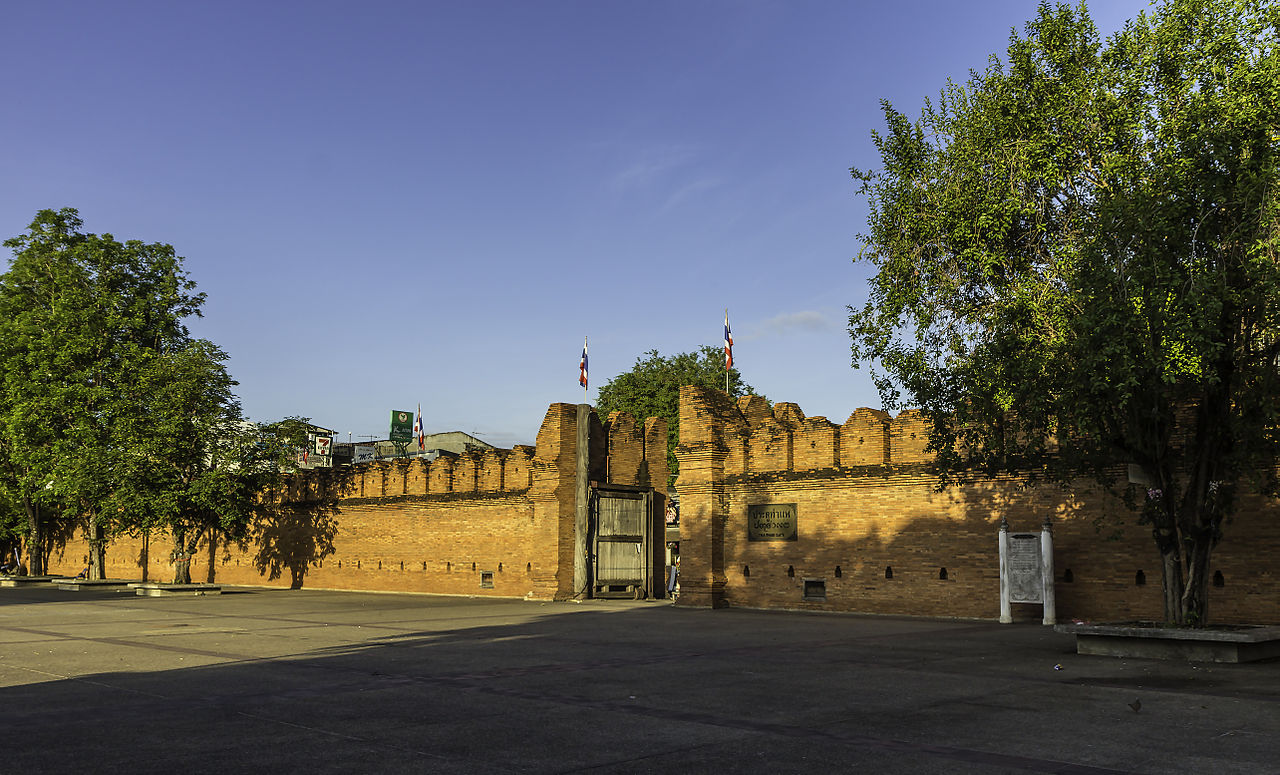


Geography and climate
The province is dominated by highlands, forested ranges and river valleys. Doi Inthanon, Thailand's highest peak, is within Chiang Mai's administrative boundaries and anchors a number of protected areas and national parks. Major rivers and tributaries support irrigated agriculture in lower valleys while cloud forests and montane habitats occur at higher elevation. Chiang Mai experiences a distinct cool season, a hot pre-monsoon period and a monsoon season with heavy rains.
History and culture
Chiang Mai was the political and cultural center of the historic Lanna realm, and that heritage shapes the province's temples, festivals and arts. The old walled city of Chiang Mai preserves moats, gates and many religious sites dating back centuries. Local traditions remain strong, including Buddhist ritual life, hill-tribe customs in upland areas and seasonal ceremonies such as New Year and lantern festivals.
Economy, tourism and notable sites
Tourism is a major economic driver alongside agriculture and handicrafts. Visitors come for temples, trekking into hill-tribe territories, birding and mountain trekking, and the parks that protect rare flora and fauna. Traditional crafts—textiles, silverwork and wood carving—support local livelihoods. The province is also known for distinctive northern cuisine and for several universities and research institutes that attract students and professionals.
- Doi Inthanon National Park and other protected areas
- Historic temples and the old city precincts
- Hill-tribe villages and cultural homestays
- Markets, handicraft workshops and regional food specialties
Administratively the province contains urban, agricultural and remote highland districts with a diverse population that includes Tai Yuan people, multiple hill-tribe groups and growing expatriate and business communities. For general reference and official information see Chiang Mai province. The blend of natural landscapes, living traditions and modern amenities makes Chiang Mai a distinctive and influential part of northern Thailand.
Questions and answers
Q: What is the name of the second-largest province in Thailand?
A: The second-largest province in Thailand is Chiang Mai.
Q: Where is Chiang Mai province located?
A: Chiang Mai province is located in the north of Thailand.
Q: Which provinces does Chiang Mai border?
A: Chiang Mai borders Chiang Rai to the northeast, Lampang and Lamphun to the south, Tak to the southwest, Mae Hong Son to the west, and Shan State of Burma to the north.
Q: What is the capital of Chiang Mai province?
A: The capital of Chiang Mai province is Chiang Mai.
Q: How far is Chiang Mai from Bangkok?
A: Chiang Mai is 685 km north of Bangkok.
Q: What is the official Thai name for Chiang Mai?
A: The official Thai name for Chiang Mai is เชียงใหม่.
Q: How does the size of Chiang Mai compare to other provinces in Thailand?
A: Chiang Mai is the second-largest province (changwat) in Thailand.
Related articles
Author
AlegsaOnline.com Chiang Mai province, Northern Thailand Leandro Alegsa
URL: https://en.alegsaonline.com/art/19475
Sources
- stat.bora.dopa.go.th : "Population of the Kingdom"
- tourismthailand.org : "Doi Inthanon National Park"
- dnp.go.th : "Doi Suthep-Pui National Park"
- dnp.go.th : "Ob Luang National Park"
- dnp.go.th : "Si Lanna National Park"
- tourismthailand.org : "Huai Nam Dang National Park"
- dnp.go.th : "Mae Wang National Park"
- dnp.go.th : "Pha Daeng National Park"
- tourismthailand.org : "Chiang Mai"
- geodata.us : "Daily Climate Weather Data Statistics"