
Cherokee County, Oklahoma
County in northeastern Oklahoma with county seat Tahlequah, seat of the Cherokee Nation; notable for Cherokee cultural institutions, Northeastern State University, rivers, lakes and rural landscapes.
Overview
Cherokee County lies in the northeastern portion of the U.S. state of Oklahoma. It had a recorded population of 42,521 in the 2000 census. The county seat and largest city is Tahlequah, which also functions as the political and cultural capital of the Cherokee Nation. For official and administrative details see general county information and broader state resources at the state level. More on local civic services and community programs may be found through municipal and tribal portals such as Tahlequah resources.
Image gallery
4 Images

Geography and communities
The county is part of Oklahoma's Green Country region, characterized by rolling hills, mixed woodlands and river valleys. Several rivers and reservoirs in and near the county provide opportunities for boating, fishing and other outdoor recreation. Tahlequah is the primary urban center; surrounding it are smaller towns, rural settlements and working agricultural land that together form a diverse mosaic of residential and natural areas.
History and identity
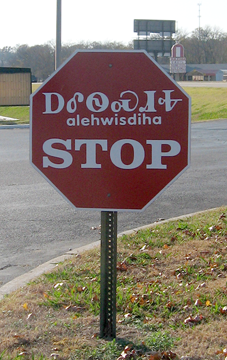
Cherokee County's identity is closely tied to the history of the Cherokee people in Indian Territory. Following forced removal in the 1830s, many Cherokee settled in the region and established towns, institutions and governance structures. Tahlequah became a focal point for tribal government, cultural preservation and education; the county and many place names continue to reflect Cherokee heritage and the ongoing efforts to sustain language and traditions.
Economy, institutions and culture
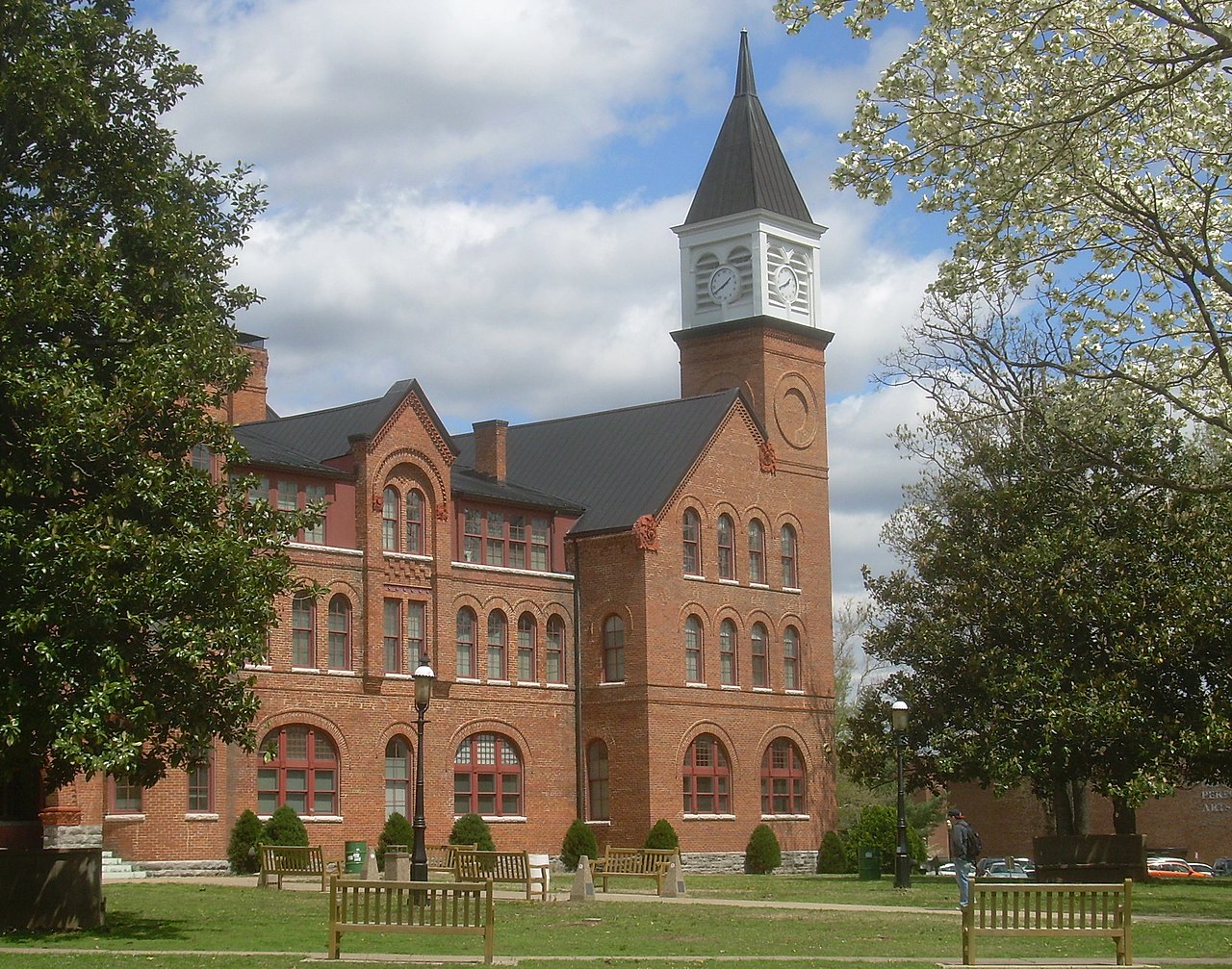
The local economy blends public-sector employment, tribal government, higher education, healthcare and small business with agriculture, forestry and tourism. Northeastern State University in Tahlequah is an important employer and educational center. Tribal offices and cultural institutions contribute both jobs and cultural programming; museums, schools and language programs play a role in community life and heritage preservation.
Points of interest
- Tahlequah: county seat, Cherokee Nation headquarters and home to regional cultural institutions.
- Outdoor recreation: rivers, lakes and wooded public areas attract anglers, boaters and hikers.
- Education and research: regional campuses and community programs centered in the county.
- Cultural events: festivals, exhibitions and community gatherings highlight Cherokee traditions and contemporary arts.
Cherokee County combines a rural Oklahoma landscape with a concentrated cultural presence tied to the Cherokee Nation and to higher education in Tahlequah, making it distinctive among the state's counties. Visitors and residents alike find a mix of living Indigenous heritage, outdoor recreation and community institutions that shape daily life.
Tags
Related articles
Author
AlegsaOnline.com Cherokee County, Oklahoma Leandro Alegsa
URL: https://en.alegsaonline.com/art/19282