
Charleston church shooting (Emanuel AME Church, June 17, 2015)
A racially motivated mass shooting at Emanuel African Methodist Episcopal Church in Charleston, South Carolina, on June 17, 2015, that killed nine people and prompted national debate and policy changes.
Overview
On the evening of June 17, 2015, nine people were killed and another injured during a mass shooting at Emanuel African Methodist Episcopal Church, a historic African American congregation, in downtown Charleston, South Carolina, United States. The victims included the church's pastor and a state lawmaker. The attack shocked the nation and focused renewed attention on race, domestic terrorism, and gun violence.
Image gallery
7 Images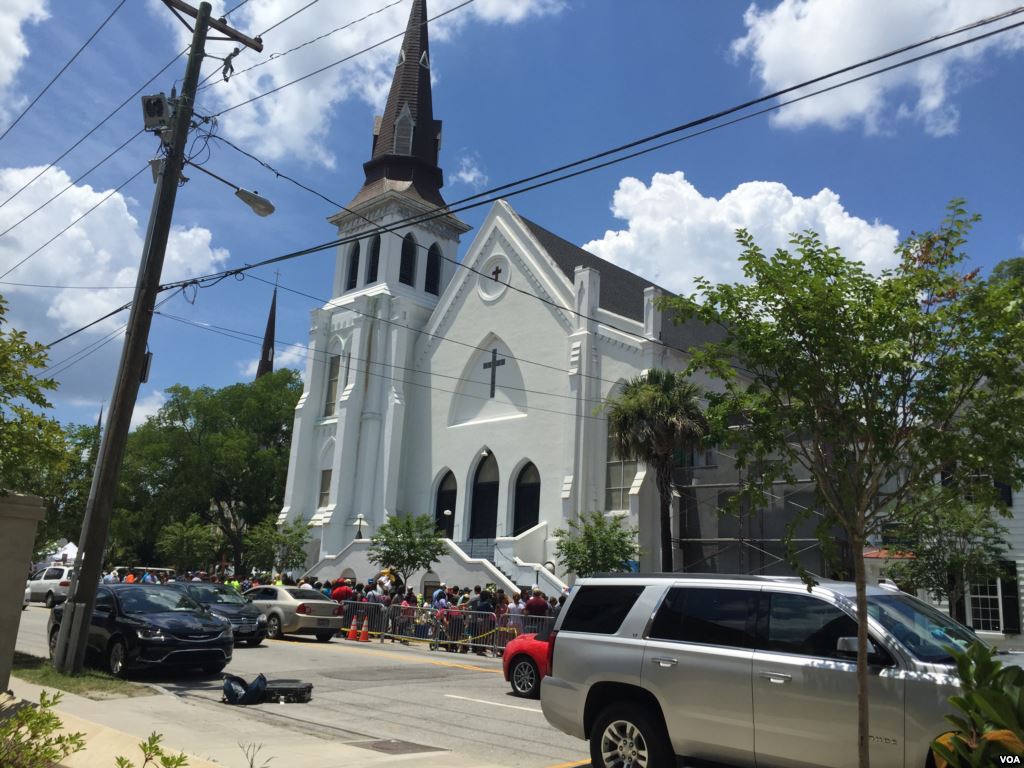



Background of the church
Emanuel AME is one of the oldest and most prominent African American congregations in the country, with a long history of community leadership and civil rights involvement. As a traditionally black church, it has served both religious and civic roles in Charleston for generations. The service targeted by the shooter was a regular Bible study that gathered members of the congregation, including elders and community leaders.
The shooting and immediate facts
A single assailant entered the church and opened fire on those present. Nine people were killed in the attack and one person survived with injuries. Among the dead was Clementa C. Pinckney, who was both the church's pastor and a state senator. Law enforcement arrested the suspect shortly after the incident; authorities characterized the attack as motivated by racist ideology.
Perpetrator and prosecutions
The accused was arrested and prosecuted in both state and federal courts. He was convicted of the murders and other charges, and juries imposed death sentences in the subsequent prosecutions. Courts handled the matter as a combination of state homicide charges and federal civil rights and hate-crime allegations because the killings were racially motivated and occurred in a place of worship.
Aftermath and responses
The shooting prompted widespread mourning, vigils, and calls for change. Immediate responses included community memorials and a national conversation about race relations and public safety. Political and civic outcomes included debate over firearms policy, law-enforcement practices, and symbols of the Confederacy; one notable change was the removal of the Confederate flag from prominent display on state grounds in South Carolina. Churches and civil rights groups also emphasized the need for interfaith solidarity and protection for houses of worship.
Notable facts and legacy
- The attack was widely described as a racially motivated act of domestic terrorism and a hate crime.
- Victim memorials and annual commemorations have continued in Charleston and beyond.
- Discussions that followed touched on criminal justice, gun legislation, hate-crime enforcement, and community resilience.
While the event remains a painful chapter in recent American history, it also led to sustained dialogue about safeguarding religious communities and addressing racially motivated violence.
Related articles
Author
AlegsaOnline.com Charleston church shooting (Emanuel AME Church, June 17, 2015) Leandro Alegsa
URL: https://en.alegsaonline.com/art/18786
Sources
- edition.cnn.com : "Charleston church shooting: Multiple deaths reported - CNN.com"
- www5.rcgov.us : "State of South Carolina vs Dylann Storm Roof"
- usatoday.com : "Dylann Roof's father, uncle called police to ID him in church shooting"
- washingtonpost.com : "Church shooting suspect Dylann Roof captured amid hate crime investigation"
- kfor.com : "Dylann Storm Roof arrested in North Carolina"
- wistv.com : "Police: Dylann Roof arrested for trespassing, drug possession at Columbiana Centre"