
Charleston, South Carolina: history, geography, culture and significance
Charleston is a historic port city in South Carolina, spanning Berkeley and Charleston counties. Noted for its colonial and antebellum architecture, cultural heritage, and role in American history and commerce.
Overview
Charleston is a coastal city in the southeastern United States, located in the Berkeley County and Charleston County of the state of South Carolina. It serves as the county seat (administrative center) of Charleston County and is one of the larger cities in the U.S. state. The metropolitan area combines a deep-water port, a historic urban core, and surrounding suburban and rural communities. As of recent estimates the city's population is in the low hundreds of thousands, and the broader region is a major destination for tourism, education and marine commerce.
Image gallery
10 Images




History and development
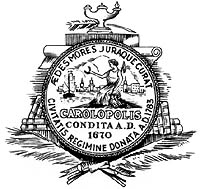
European settlement began in the late 17th century when English colonists established a town on a peninsula between two rivers. Originally called Charles Town, the settlement grew as a colonial port and commercial center. Charleston played a prominent role in colonial politics, trade and the early economy of the region. It was the capital of South Carolina until the state government moved inland to Columbia in the late 18th century. The city later became strategically important during the Civil War and underwent economic and social changes throughout Reconstruction and the 20th century.
Geography and neighborhoods
Charleston occupies a peninsula bounded by tidal rivers and estuaries that flow into the Atlantic Ocean. Prominent neighborhoods include the historic downtown with its waterfront promenade, the French Quarter, and residential districts noted for preserved 18th- and 19th-century houses. The city's layout reflects its maritime origins, with docks, warehouses and neighborhoods clustered near the harbor.
Architecture, culture and attractions
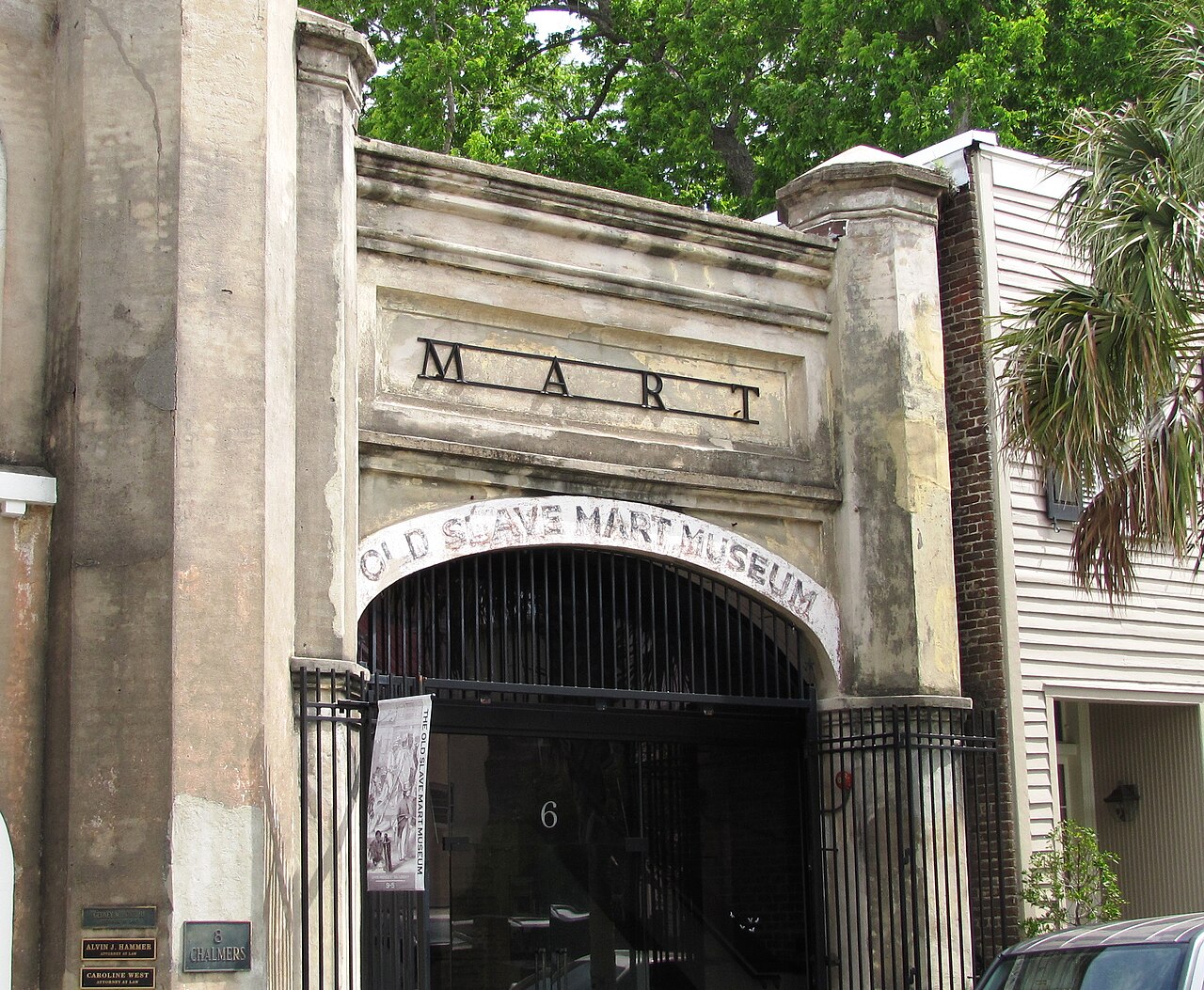
Charleston is widely recognized for its architectural heritage: narrow streets, intact historic districts, churches, and antebellum mansions. The local culinary tradition—often described as Lowcountry cuisine—emphasizes seafood, rice and local vegetables. Cultural life includes museums, performing arts, annual festivals, and historic sites that interpret colonial, antebellum, African American and maritime histories. Key points of interest include the waterfront Battery, museums, and conserved historic homes.
Economy and contemporary importance
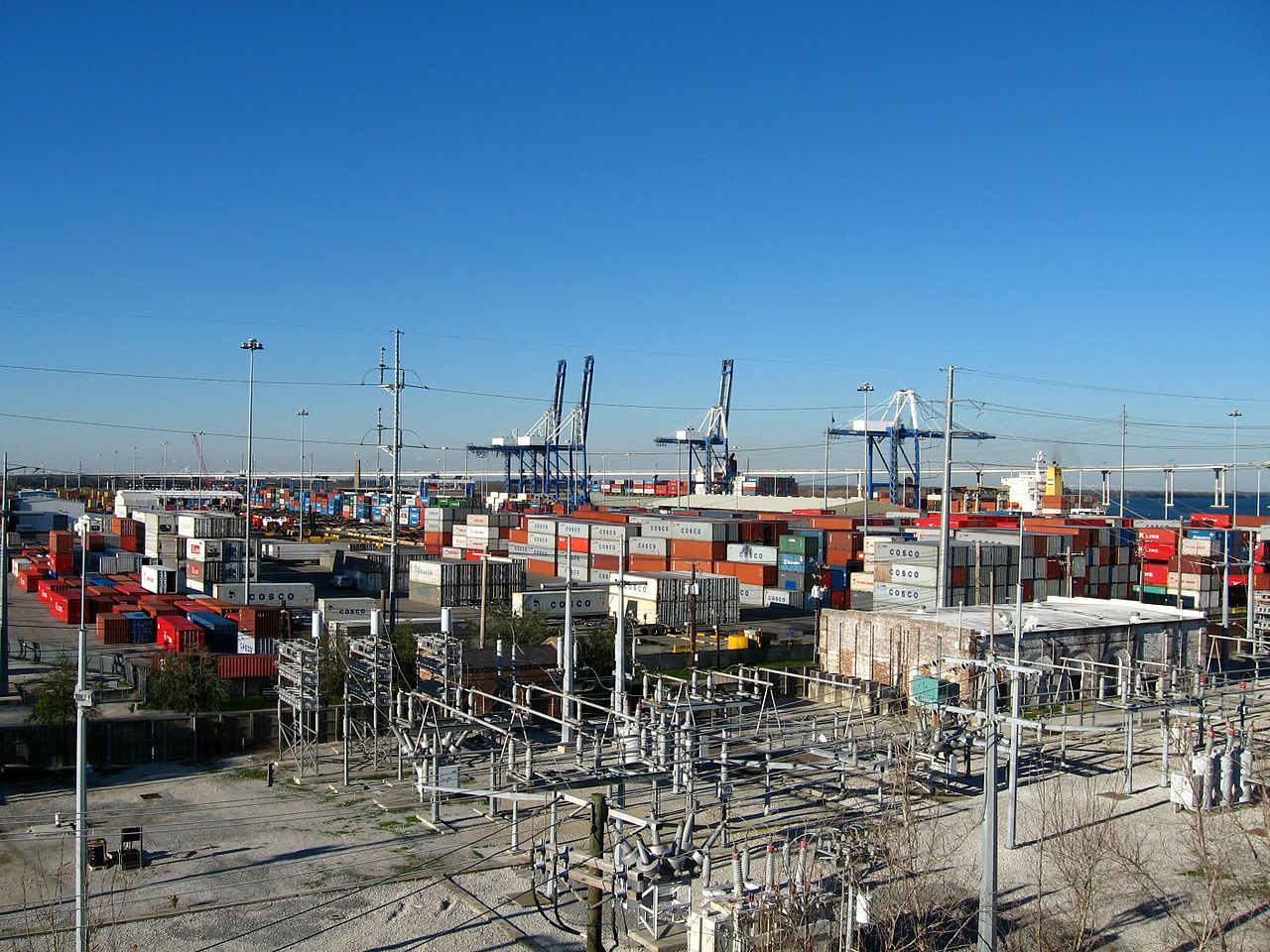
The Port of Charleston remains an important economic asset, supporting shipping, manufacturing and logistics. Tourism is a major sector, drawing visitors to historic sites, restaurants and waterfront activities. Higher education and research institutions contribute to the city's workforce and cultural offerings. Like many coastal cities, Charleston faces modern challenges such as coastal flooding, hurricane resilience and balancing growth with historic preservation.
Notable facts
- Charleston's historic districts are among the most extensively preserved in the United States.
- The city has long been a regional center for trade, tourism and higher education.
- Authorities and preservation organizations work to manage sea-level rise, storms and urban development while maintaining the city's historic character.
For administrative and geographic information consult county and state resources: county seat context and local planning materials often summarize current demographic, economic and infrastructure data.
Questions and answers
Q: What is Charleston?
A: Charleston is a city in Berkeley and Charleston counties, located in South Carolina.
Q: How many counties does Charleston belong to?
A: Charleston belongs to two counties, Berkeley and Charleston.
Q: What is the county seat of Charleston County?
A: The county seat of Charleston County is the city of Charleston.
Q: What is the population of Charleston?
A: As of 2021, the population of Charleston is about 151,612.
Q: Was Charleston the capital of South Carolina?
A: Yes, Charleston was the capital of South Carolina until 1786.
Q: When did Columbia become the capital of South Carolina?
A: Columbia became the capital of South Carolina in 1786, replacing Charleston.
Q: Is Charleston the largest city in Charleston County?
A: Yes, Charleston is the largest city in Charleston County.
Related articles
Author
AlegsaOnline.com Charleston, South Carolina: history, geography, culture and significance Leandro Alegsa
URL: https://en.alegsaonline.com/art/18791
Sources
- quickfacts.census.gov : "Annapolis (city) Quick Facts from the U.S. Census Bureau"
- factfinder.census.gov : "American FactFinder"
- geonames.usgs.gov : "US Board on Geographic Names"
- commons.wikimedia.org : Charleston, South Carolina