
Chapelle royale de Dreux — Royal Chapel and Orléans Necropolis
The Chapelle royale de Dreux is the burial chapel of the House of Orléans in Dreux, France, notable for its 19th-century reconstruction, funerary monuments and role as a family necropolis.
The Chapelle royale de Dreux (French name) is a prominent funerary chapel and family necropolis located in the town of Dreux (Dreux), in northern France. For two centuries it has served as the traditional resting place of many members of the House of Orléans (House of Orléans). The site combines religious function, commemorative sculpture and burial vaults and is recognised locally as a heritage landmark.
Image gallery
7 Images


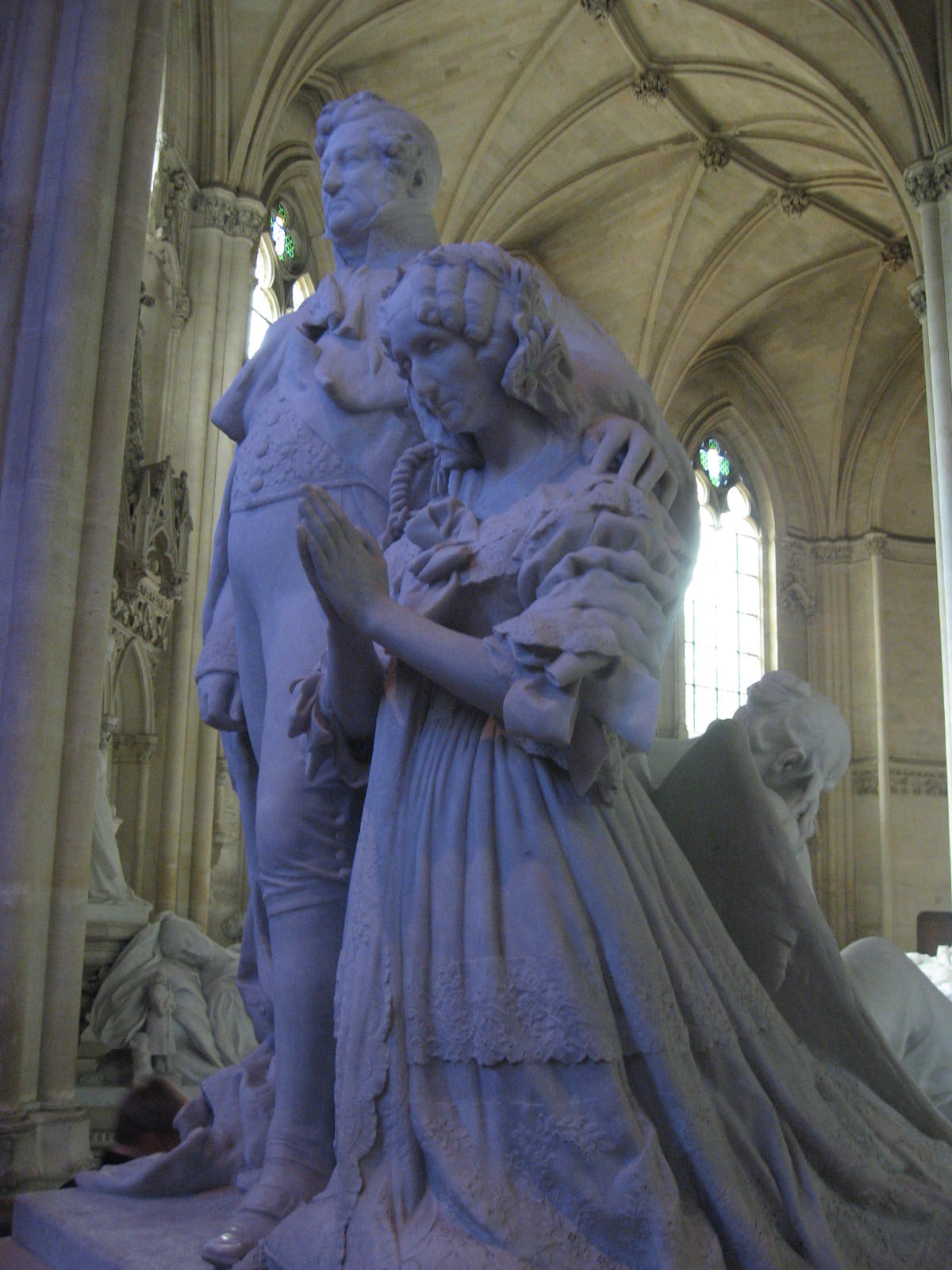

Characteristics and monuments
The chapel complex is distinguished by its monumental silhouette, decorative stained glass, and a succession of sculpted tombs and funerary plaques. Internally, a crypt contains family vaults and sarcophagi; the upper chapel displays memorials set into walls and columns. Several examples of 19th-century funerary art and craftsmanship are visible, including allegorical statues and inscribed epitaphs that document generations of the Orléans line.
- Family vaults and crypt spaces
- Decorative stained glass and sculptural memorials
- Historic chapel architecture and restored elements
Origins and historical development
The location became associated with the Orléans family through marriage and inheritance. The land originally belonged to the Duke of Penthièvre; his daughter, Marie Adélaïde, married the Duke of Orléans in 1769 (marriage link), and through that connection Dreux passed into the orbit of the Orléans estates. In the 19th century the chapel was substantially rebuilt and adapted as a dynastic burial place; after the reign of Louis-Philippe I (Louis-Philippe I) the site increasingly functioned as the principal Orléans necropolis.
Over time the chapel has undergone conservation and periodic restoration to preserve its stonework, stained glass and funerary monuments. It remains a focus for family commemorations and for visitors interested in royal history and 19th-century funerary practices.
Significance and visiting
Today the Chapelle royale de Dreux is valued for its historical associations, artistic monuments and as a case study of dynastic burial traditions in France. It attracts historians, descendants and tourists, and is accessible to the public during opening hours under local management. Visitors find there not only tombs but also an architectural narrative that reflects changing tastes in memorial art and the political history of the Orléans family.
For more detailed references on its architecture, list of burials and visiting arrangements consult specialist guides or local heritage resources (Chapelle royale de Dreux, Dreux information). Additional contextual reading on the dynasty and individuals buried there can be found through genealogical and historical archives (House of Orléans).
Related articles
Author
AlegsaOnline.com Chapelle royale de Dreux — Royal Chapel and Orléans Necropolis Leandro Alegsa
URL: https://en.alegsaonline.com/art/18603