
Château de Meudon: royal residence, ruin, and site of the Meudon Observatory
Former royal residence near Paris associated with the Grand Dauphin and the Duchess of Berry; largely destroyed in 1871 and now occupied by the Observatoire de Paris–Meudon. History, architecture, and later uses.
The Château de Meudon occupies a prominent hillside site southwest of Paris and for centuries illustrated shifting patterns of aristocratic taste, royal patronage and landscape design in France. Best known for its association with the Grand Dauphin, the only son of Louis XIV, the estate comprised a cluster of buildings—commonly described in historic accounts as the Château-Vieux (old château) and the Château-Neuf (new château)—together with service wings, orangeries and a series of terraced gardens that descended the slope toward the Seine valley. The château combined private apartments and spaces for courtly display; its terraces and axial walks exploited panoramic views and created formal approaches suited to grand entertainments.
Architecturally the site reflected accretive development rather than a single unified design. Successive owners remodelled and extended the buildings to meet changing needs and fashions: additions provided larger reception rooms, galleries for collections, and improved service areas. Interiors were famously enriched with paintings, tapestries and objets d'art assembled by resident princes and royal appointees. Over time much of the movable heritage was dispersed, sold or destroyed, particularly in the crises of the nineteenth century.
Image gallery
4 Images


Notable occupants
- The Grand Dauphin: The château is most closely identified with Louis, the Grand Dauphin, who chose Meudon as one of his principal seats outside Versailles and adapted parts of the complex to court use. His residency established Meudon’s reputation as a site of princely hospitality and collection.
- Duchess of Berry: In the early eighteenth century the property again served members of the royal family and gained renewed attention when the Duchess of Berry, a granddaughter of Louis XIV, used Meudon and attracted considerable contemporary comment for her lifestyle and ceremonies.
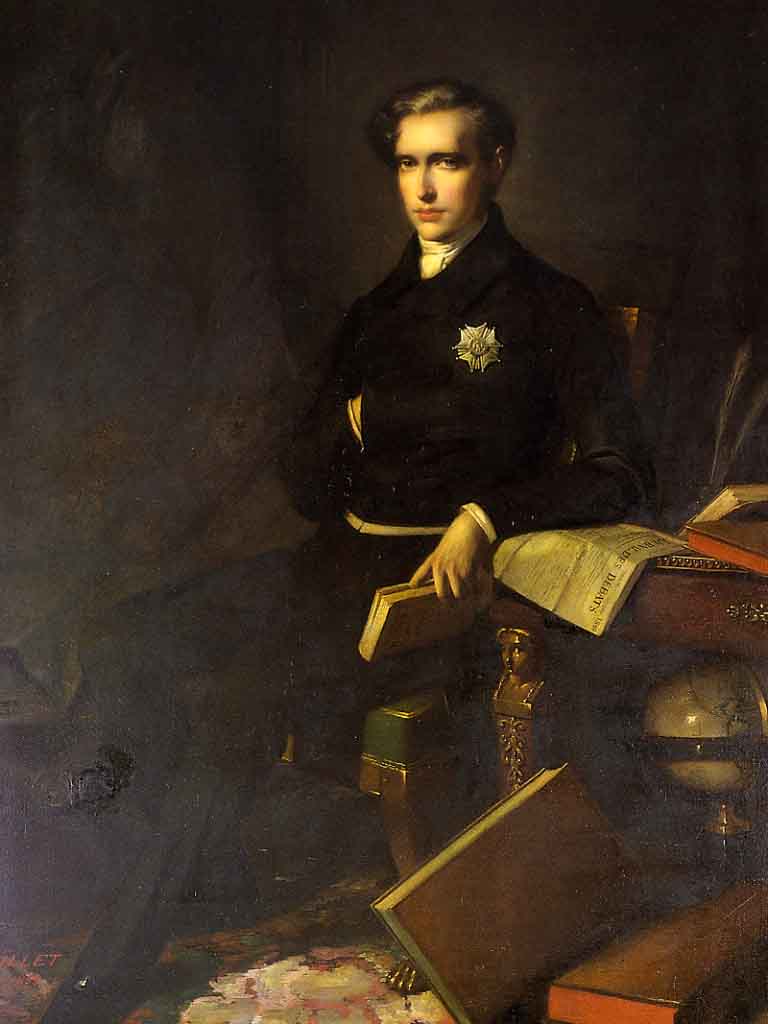
- Napoleonic and imperial users: During the First French Empire the estate saw new occupants tied to the Bonaparte family; it was later designated in connection with the title of the King of Rome and at times housed imperial family members such as Jérôme Bonaparte.
Gardens and landscape
The terraces at Meudon exemplified the late seventeenth- and eighteenth-century preference for ordered, scenic landscapes that served both visual and ceremonial functions. Broad axial perspectives, planted avenues, decorative parterres and service terraces provided spaces for promenades, fêtes and formal ceremonies. The slope and outlook toward the Seine allowed designers to frame distant views as a compositional element, linking the residence to the broader riverine landscape that lay to the north.
Destruction and transformation
The château’s principal buildings were severely damaged in 1871 during the events that followed the Paris Commune; a large fire destroyed much of the main construction and left the complex in ruins. That conflagration ended the château’s long life as a princely residence and accelerated the dispersal of its collections. In the decades that followed, surviving parts of the site were repurposed for scientific use: the Observatoire de Paris established facilities on the slope, and the location evolved into a centre for astronomy and geophysics while parts of the grounds remained public parkland.
Legacy and surviving elements
Today the observatory’s domes and laboratories coexist with landscaped areas where visitors can still perceive the outline of the former terraces and the remains of the château’s structural fabric. Fragments of masonry, conserved wings and archaeological traces mark where salons, galleries and service courts once stood. Objects that escaped destruction—furniture, works of art and archival records—are dispersed in museums and institutional collections, and they provide historians with evidence for the château’s former appearance and the tastes of its residents.
Public access and research
The site is now both a public landscape and an active centre for scientific research. Visitors approaching Meudon may encounter the observatory facilities alongside formal garden remnants and explanatory material that recounts the château’s history. For more detailed visitor guidance and local context consult institutional and municipal resources: local information. Scholarly studies and heritage inventories also explore the château’s architectural phases and the dispersal of its collections; readers interested in the Grand Dauphin can consult specialist biographies and catalogues of seventeenth-century court residences (Grand Dauphin).
Because Meudon’s story spans monarchy, empire and modern scientific reuse, it offers a clear example of how aristocratic estates were adapted and repurposed over time. The title of King of Rome and the site’s Napoleonic associations are a reminder of the château’s role in the high politics of the early nineteenth century (King of Rome reference), while the 1871 fire and subsequent conversion to observatory use reflect wider transformations in urban, cultural and scientific histories of the Paris region.
The Château de Meudon remains significant both as a symbol of court life beyond Versailles and as a case study in the conservation challenges faced by large historic landscapes. Its surviving built fragments, archival traces and the continued public use of the grounds together preserve the memory of a place that once combined princely display, private residence and commanding views of the Seine valley.


Questions and answers
Q: What is the Château de Meudon?
A: It is a former royal residence in France.
Q: Who is the most commonly associated person with the Château de Meudon?
A: The Grand Dauphin, the only son of Louis XIV, who made it his personal residence.
Q: What happened to the Château de Meudon after the death of the Dauphin?
A: The property reverted to the Crown and was used by the famous Duchess of Berry (a granddaughter of Louis XIV).
Q: Who ignored the Château de Meudon during their reigns?
A: Louis XV and Louis XVI.
Q: Who became the official resident of the Château de Meudon in 1812?
A: The King of Rome.
Q: Who occupied the Château de Meudon under the First Empire?
A: Jérôme Bonaparte.
Q: What is the Château de Meudon's current state?
A: The main building was largely destroyed in a fire in 1871, and it is now the site of the Observatoire de Paris-Meudon.
Related articles
Author
AlegsaOnline.com Château de Meudon: royal residence, ruin, and site of the Meudon Observatory Leandro Alegsa
URL: https://en.alegsaonline.com/art/18935
Sources
- commons.wikimedia.org : Château de Meudon