
Château de Lunéville — the historic residence of the Dukes of Lorraine
Baroque-classical château in Lunéville, Lorraine, once the ducal seat and nicknamed the 'Versailles of Lorraine'; now a museum undergoing restoration with notable gardens and period interiors.
Overview
The Château de Lunéville is a principal historic château in the town of Lunéville in the Lorraine region of northeastern France. For several centuries it served as the principal residence of the ruling Dukes of Lorraine, hosting a regional court and artistic patronage. Though more modest in scale than the royal palaces of the Île-de-France, it earned the popular sobriquet "Versailles of Lorraine" for the quality of its design and gardens; the comparison is often invoked in guidebooks and studies of provincial French châteaux (see Versailles).
Image gallery
10 Images


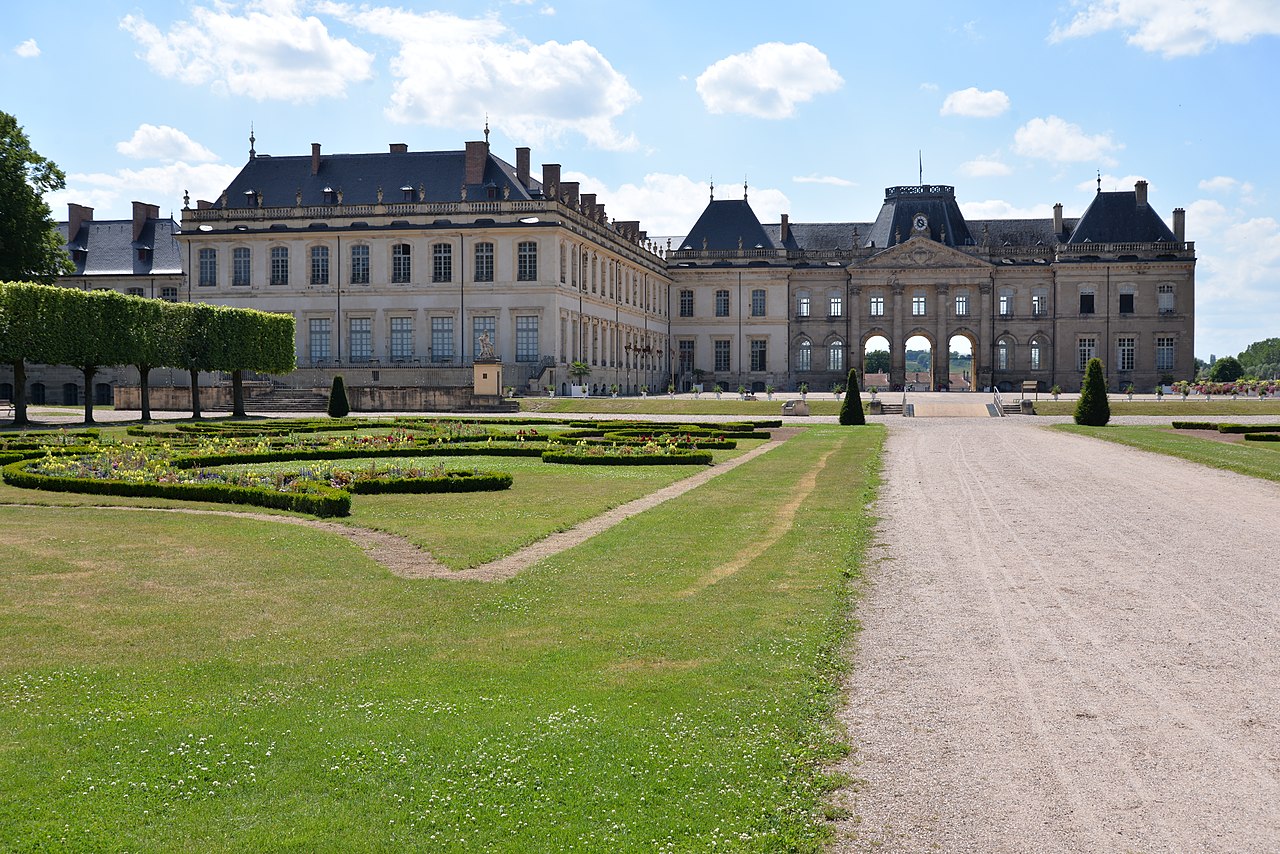


Architecture and grounds
The château combines baroque and classical influences visible in its balanced façades, formal courtyards and axial arrangements. Historically it was surrounded by parterres, terraces and service wings typical of great houses of the ancien régime. Interior spaces include state apartments, ceremonial rooms and service areas that reflect the ceremonial functions of a ducal household. Many decorative features—staircases, ornamented ceilings and carved woodwork—illustrate the craftsmanship of the period.
History and development
From the late medieval period until the French Revolution and beyond, Lunéville was a political and cultural center for Lorraine. Successive dukes enlarged and refashioned the residence to accommodate court life, entertain foreign visitors and display collections. In the 18th century the château played a prominent role in regional culture: it hosted musicians, artists and diplomats and became associated with important political figures who shaped Lorraine's connections to neighboring states.
Modern use and conservation
Today the château is no longer a private royal residence but functions primarily as a public museum and cultural site. Restoration campaigns aim to stabilize the fabric of the building, recover historical decoration and adapt rooms for exhibitions that explain ducal life, regional history and decorative arts. The site regularly welcomes visitors, guided tours and temporary exhibitions that present the château's archaeology, furnishings and restoration work in progress.
Significance and visitor information
Château de Lunéville is valued for its regional importance, its surviving architectural ensemble and its role as a repository of Lorraine's history. While it is sometimes compared to larger royal palaces, the château illustrates how provincial courts balanced comfort, ceremony and representation. Visitors encounter formal gardens, period interiors and ongoing conservation, and the site figures prominently in local heritage initiatives and educational programs.
Notable features
- Historic state apartments and ceremonial rooms.
- Formal garden layouts and remaining landscape elements.
- Ongoing restoration and museum displays interpreting ducal life.
Questions and answers
Q: What is the Château de Lunéville?
A: The Château de Lunéville was the former royal residence of the ruling Dukes of Lorraine.
Q: How is the Château de Lunéville often compared to?
A: The Château de Lunéville is often likened to the far grander and larger Palace of Versailles.
Q: What is the status of the Château de Lunéville today?
A: The Château de Lunéville is no longer a royal residence and is today a museum.
Q: What is currently happening with the restoration of the Château de Lunéville?
A: The restoration of the building and its decors is under way.
Q: What nickname does the Château de Lunéville have in France?
A: In France, the Château de Lunéville was referred to as the "Versailles of Lorraine".
Q: What is another name for the Château de Lunéville in English?
A: The Château de Lunéville is also sometimes referred to as the Palace of Lunéville in English.
Q: Who lived in the Château de Lunéville in the past?
A: The ruling Dukes of Lorraine lived in the Château de Lunéville in the past.
Related articles
Author
AlegsaOnline.com Château de Lunéville — the historic residence of the Dukes of Lorraine Leandro Alegsa
URL: https://en.alegsaonline.com/art/18933