
Château de Malmaison
Small French château near Paris, former residence of Joséphine de Beauharnais, noted for its Empire interiors, rich botanical gardens and role as a government seat under Napoleon (1800–1802).
The Château de Malmaison is a country house located in the suburb of Rueil-Malmaison, roughly twelve kilometres west of central Paris. Modest in scale compared with royal palaces, the property became famous as the private residence of Joséphine de Beauharnais and for the role it played in the early Napoleonic era. The building is commonly described simply as a château and is remembered for its refined interiors and its carefully tended gardens.
Image gallery
10 Images




Overview and historical role
Joséphine acquired the estate at the turn of the 19th century and made it her principal home. Between 1800 and 1802, together with the Tuileries palace in Paris, Malmaison functioned as a seat of government when Napoleon and his administration often worked outside the capital. Although it was not a royal residence in the traditional sense, Malmaison served as a political and social center where ministers, artists and scientists visited.
Architecture and interiors
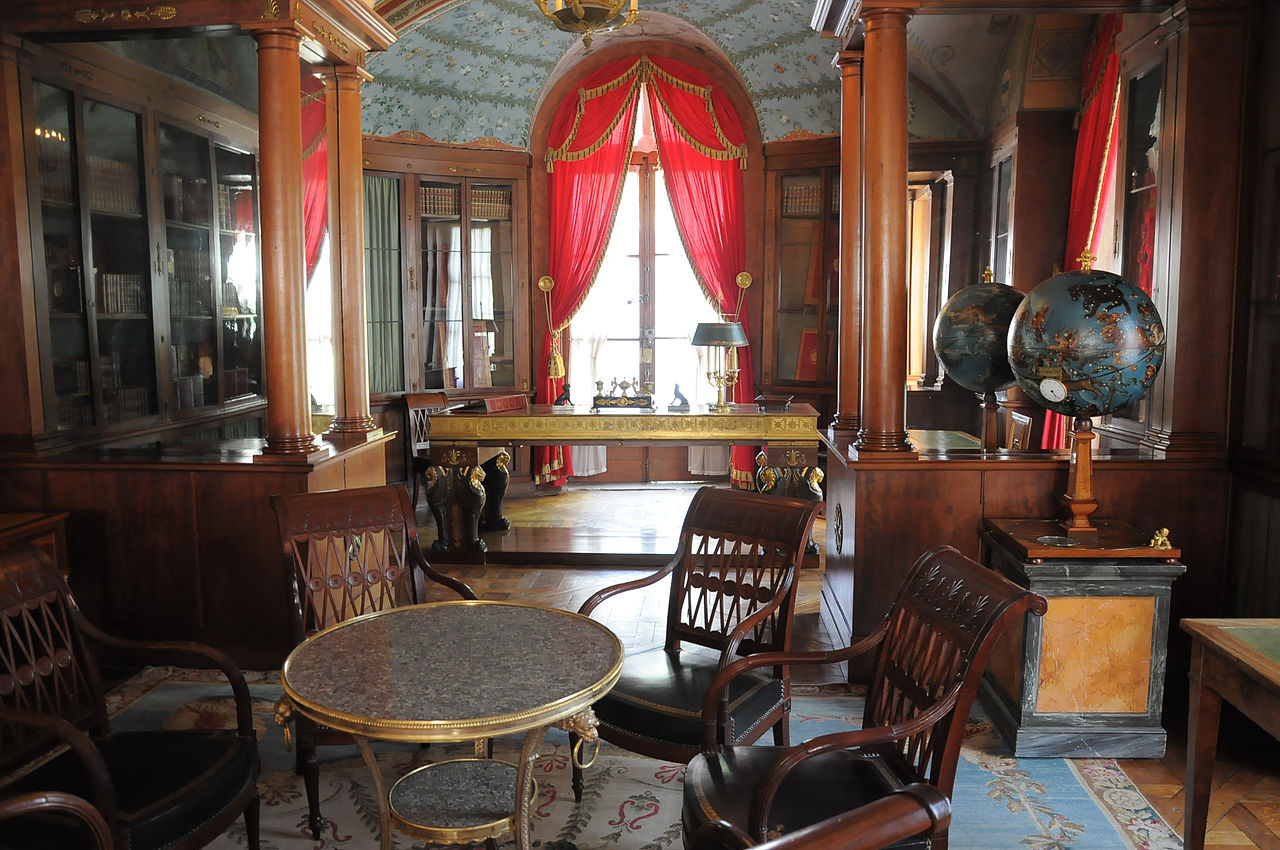
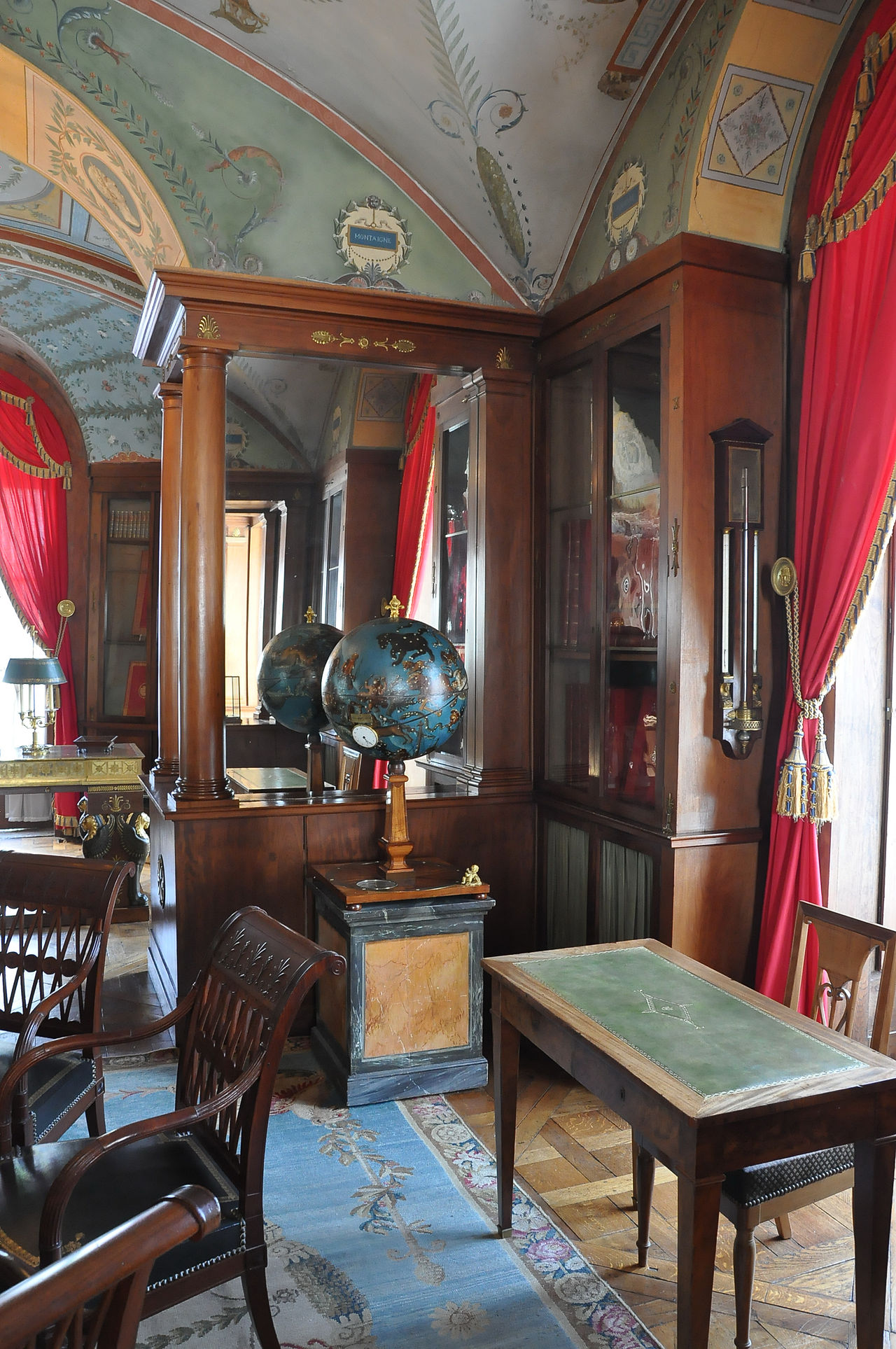
The château presents a restrained façade and intimate reception rooms that were redecorated in the then-fashionable Empire style. Interiors preserved from the period show furniture, wall treatments and decorative objects that reflect the taste of the Consulate and early Empire years: elegant lines, classical motifs and a preference for luxurious but human-scale rooms rather than grand ceremonial spaces.
Gardens and collections
One of Malmaison’s defining features is its gardens. Joséphine was an enthusiastic patron of botany and horticulture who assembled rare and exotic plants brought from different parts of the world. The grounds included glasshouses, experimental beds and a notable rose garden; the site’s association with rose cultivation endures in horticultural history and popular memory.
Later history and significance
After Joséphine’s death in 1814 the château changed owners several times but retained its strong association with the Napoleonic period. Over the 19th and 20th centuries it became appreciated as a historic house where visitors could gain insight into private life at the start of the 1800s. Its surviving decoration, portraits and garden layout make Malmaison a resource for students of architecture, decorative arts and botanical history.
Visiting and legacy
Today Malmaison is preserved as a historic house museum open to the public. Visitors encounter period rooms, displays about Joséphine and Napoleon’s use of the estate, and the restored gardens that recall the original plantings and design. The château’s intimate scale, combined with its cultural and horticultural legacy, explains why it continues to attract interest from both tourists and scholars.
Notable features
- Intimate Empire-style interiors and period furnishings
- Historic gardens with a strong focus on exotic plants and roses
- Role as a working seat of government during 1800–1802
- Association with Joséphine de Beauharnais and early Napoleonic history
For more detailed historical background, collections information and visitor details consult specialized guides and the official site of the property, where archival descriptions and current opening information are kept up to date.
Questions and answers
Q: What is the Château de Malmaison?
A: The Château de Malmaison is a country house located in Rueil-Malmaison, approximately 12 km from Paris.
Q: Who used to reside in the Château de Malmaison?
A: The Château de Malmaison was formerly the home of Joséphine de Beauharnais.
Q: How long is the distance between Paris and the Château de Malmaison?
A: The Château de Malmaison is located approximately 12km (7 mi) from Paris.
Q: What is the significance of the Château de Malmaison?
A: The Château de Malmaison served as one of the headquarters of the French government between 1800 and 1802, alongside the Tuileries.
Q: When was the Château de Malmaison used as the French government's headquarters?
A: The Château de Malmaison served as the French government's headquarters from 1800 to 1802.
Q: Where is the Château de Malmaison located?
A: The Château de Malmaison is located in the city of Rueil-Malmaison, approximately 12 km from Paris.
Q: Who was Joséphine de Beauharnais?
A: Joséphine de Beauharnais was a former resident of Château de Malmaison.
Related articles
Author
AlegsaOnline.com Château de Malmaison Leandro Alegsa
URL: https://en.alegsaonline.com/art/18934