
Changtse — Himalayan peak in northern Tibet
Changtse is a 7,553 m mountain on the northern side of Mount Everest in Tibet. It forms part of the Everest massif and is known for its remote location, Rongbuk Glacier approaches, and limited ascent history.
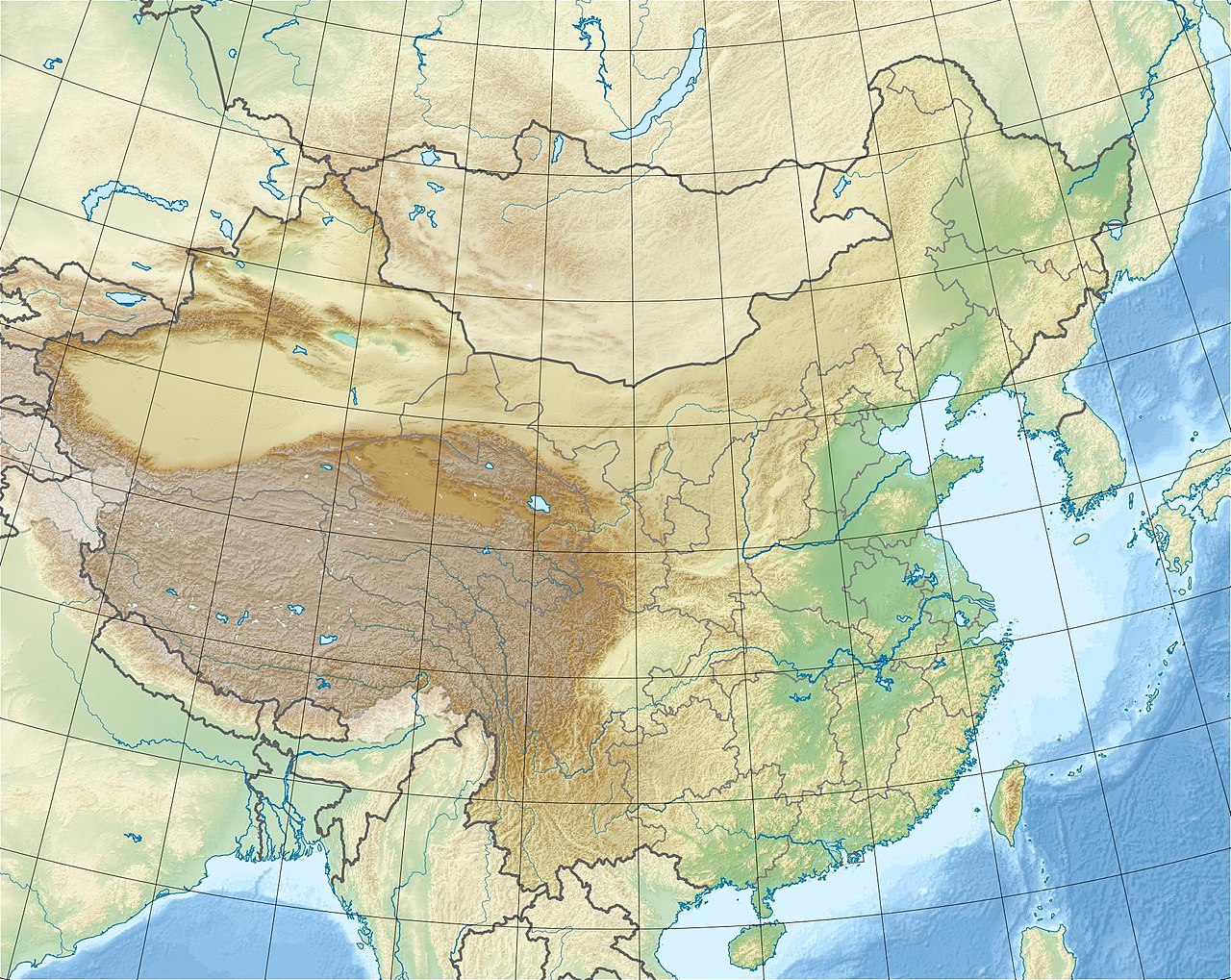
Changtse is a high Himalayan summit rising to about 7,553 metres (24,780 ft) above sea level. Located on the northern flank of the Himalayas, it sits immediately north of Mount Everest and overlooks the Rongbuk Glacier. The peak is part of the wider mountain range that contains some of the world’s tallest mountains and is within the Tibet Autonomous Region of the People’s Republic of China (Tibet).
Image gallery
4 Images


Geography and characteristics
Changtse rises as a prominent ridge and summit on the Everest massif. From the north it presents steep ice and snow slopes down toward the Rongbuk basin. The mountain’s relative remoteness and position above important glacier systems contribute to local climatic influence and make approaches more logistically challenging than many surrounding peaks.
History and climbing
The summit was first reported reached in 1982 by climber Johan Taks, and subsequent visits have been infrequent compared with neighbouring Everest. Most recorded ascents approach from the Rongbuk Glacier on the north side, using high camps and glacier travel. Because Changtse lies close to the Everest north route, it has sometimes been used for acclimatisation climbs or scientific access, but it remains far less visited than major eight‑thousanders.
Routes and mountaineering notes
- Typical approaches begin on the Rongbuk Glacier, following glacier and snow slopes toward the summit ridge.
- Climbs require experience with high‑altitude glacier travel, crevasse navigation, and cold exposure.
- Weather and objective hazards such as avalanches and serac fall make timing and route choice important.
Because Changtse is closely associated with Mount Everest, it is sometimes discussed in the context of the Everest massif rather than as an entirely separate peak. Its elevation places it among the top group of the planet’s highest mountains, often ranked among the world's highest peaks, but it receives much less attention than the nearby eight‑thousanders. Researchers and climbers value the area for glaciological studies and for the experience of remote high‑altitude mountaineering.
For practical information on permits, access, and recent conditions, prospective visitors should consult up‑to‑date mountaineering sources and local authorities. The north side approaches are subject to regional regulations and seasonal weather patterns that affect safety and logistics.
Related articles
Author
AlegsaOnline.com Changtse — Himalayan peak in northern Tibet Leandro Alegsa
URL: https://en.alegsaonline.com/art/18559
Sources
- peakbagger.com : "Changtse, China"
- peakware.com : "Changtse"
- monterosa-nepal.com : "Changtse Expedition"
- commons.wikimedia.org : Changtse
- wikidata.org : wikidata.org/wiki/Q595929
- d-nb.info : 4408263-0
- viaf.org : 242719858
- worldcat.org : 242719858