
Charnwood Forest — landscape, geology and conservation in Leicestershire
Charnwood Forest is a wooded and rocky upland in north‑west Leicestershire, England, notable for ancient geology and fossils, varied habitats, historic quarrying and extensive nature conservation and recreation.
Overview
Charnwood Forest is an upland mosaic of woodlands, rocky outcrops, heathland and grassland in north‑west Leicestershire, England. Despite the name, it is not a single continuous forest but a patchwork of different landscapes clustered around high ground near the towns of Leicester, Loughborough and Coalville. The area is valued for its scenic character, wildlife and unusually old geology.
Image gallery
4 Images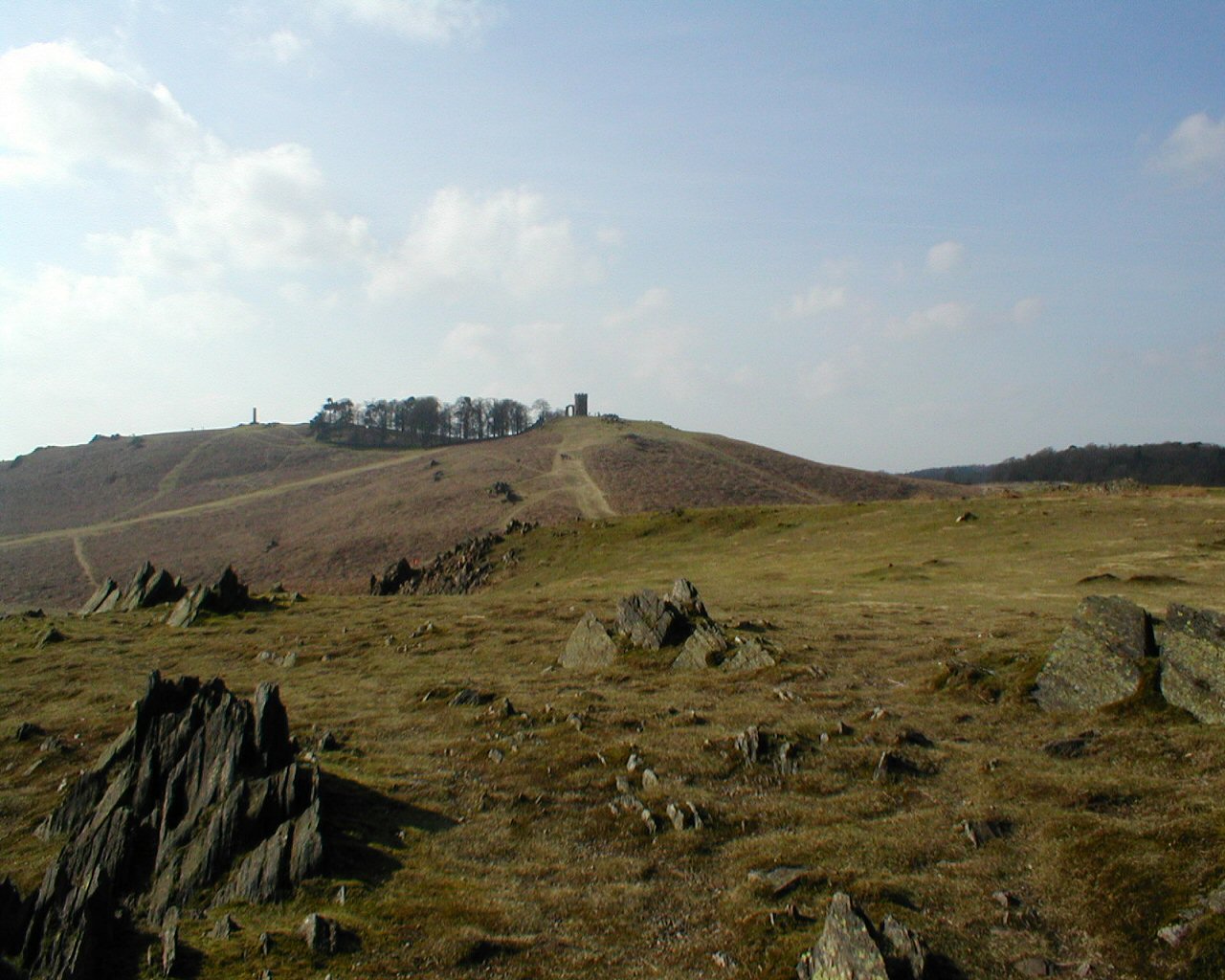


Geology and fossils
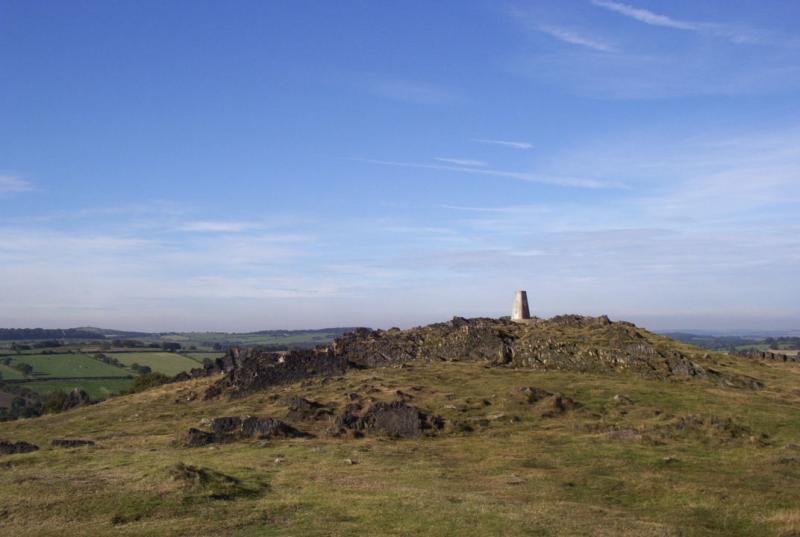
Geologically Charnwood is famous for exposing some of the oldest visible rocks in England and for yielding important Precambrian fossils. Hard volcanic and igneous rocks form craggy ridges and tors; between them lie sedimentary beds and soils that support distinct plant communities. The area produced early macroscopic fossil impressions of Ediacaran‑type organisms, including the frondlike fossil Charnia, which helped rewrite ideas about the antiquity of complex life.
Landscape, habitats and natural features
The terrain is undulating and often rocky, with elevations typically above 180 metres in places. Habitats range from mature broadleaved woodland and mixed plantations to heath and species‑rich grassland. In spring many woodlands display striking carpets of bluebells. There are also pockets of scrub and open rock that support specialist plants and insects. A number of discrete conservation units—national nature reserves, sites of special scientific interest and local nature reserves—protect the most valuable pieces of this network.
Human history, extractive use and regeneration
Human activity has long shaped Charnwood. Hard stone has been quarried for building stone and aggregate for centuries, and several quarried areas of granite and other rocks remain important sources of crushed stone. To the west lies an old coalfield where mining communities once shaped the economy; much of that landscape is now subject to regeneration and planting as part of wider landscape restoration initiatives. Modern transport, including the M1 motorway, crosses parts of the region, reflecting its location close to urban centres.
Conservation, recreation and significance
Charnwood contains a mix of protected designations: national nature reserves, multiple sites of special scientific interest, regionally important geological sites and nature reserves managed by local wildlife trusts. These protections recognise both the biological diversity and the international significance of some geological exposures. The area is popular for walking, rock climbing and informal recreation, with a network of public rights of way and country parks. Conservation efforts balance habitat management, quarry restoration and public access to maintain landscape and scientific values.
Notable facts and distinctions
- It combines ancient geology with varied habitats that support uncommon plants and invertebrates.
- Quarries in the area have long supplied aggregate and building stone to surrounding regions.
- Conservation designations protect dozens of sites of geological or wildlife interest.
- The landscape provides a close‑to‑town natural resource for outdoor recreation and education.
Further resources
Questions and answers
Q: What is Charnwood Forest?
A: Charnwood Forest is an area in north-western Leicestershire, England, near Leicester, Loughborough, and Coalville. It has 45 sites of geological or wildlife interest and is the only site in Europe where the Ediacaran fossil Charnia is found.
Q: What type of landscape can be found in Charnwood Forest?
A: The area has some extensive tracts of woodland that are undulating, rocky and picturesque with barren areas. It generally reaches an elevation of 600 ft (180 m). On its western side there is an abandoned coalfield with Coalville and other former mining villages.
Q: What activities can be done at Charnwood Forest?
A: Rockclimbing and walking are popular activities at Charnwood Forest as well as woodland walks which are noted for their displays of bluebells in the early spring.
Q: What important features does Charnwood Forest have?
A:Charnwood Forest includes a National Nature Reserve (NNR), 19 SSSIs, four geological conservation sites of international importance, 13 Regionally Important Geological Sites (RIGS), five local nature reserves (LNRs), and seven Leicestershire and Rutland Wildlife Trust (LRWT) nature reserves.
Q: How has the M1 motorway impacted Charnwood Forest?
A: The M1 motorway cuts through Charnwood forest which has disrupted some areas within it.
Q: How long has stone been quarried from Charnwood forest?
A: Stone from Charwnood forest has been quarried for centuries to make grindstones. The granite quarries are also of national importance as they supply crushed stone ("aggregate") to much of southern Britain.
Q: Is there any regeneration happening within Charwnood forest?
A: Yes, the abandoned coalfield on its western side is being regenerated and replanted as part of the National Forest initiative
Related articles
Author
AlegsaOnline.com Charnwood Forest — landscape, geology and conservation in Leicestershire Leandro Alegsa
URL: https://en.alegsaonline.com/art/18871