
Cercopithecus (guenons): African forest monkeys
Cercopithecus, commonly called guenons, is a genus of Old World monkeys native to sub-Saharan Africa. They are mostly forest dwellers, often brightly marked, and many species face habitat-related threats.
Overview
The guenons belong to the genus Cercopithecus, a group of Old World monkeys native to sub-Saharan Africa. Most species inhabit forested or woodland environments, and the group is noted for its diversity of coat patterns, facial markings and vocalizations. Common English names for members of the genus include guenons and forest monkeys.
Image gallery
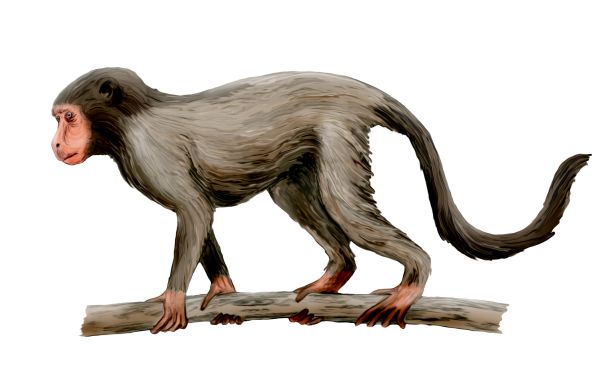
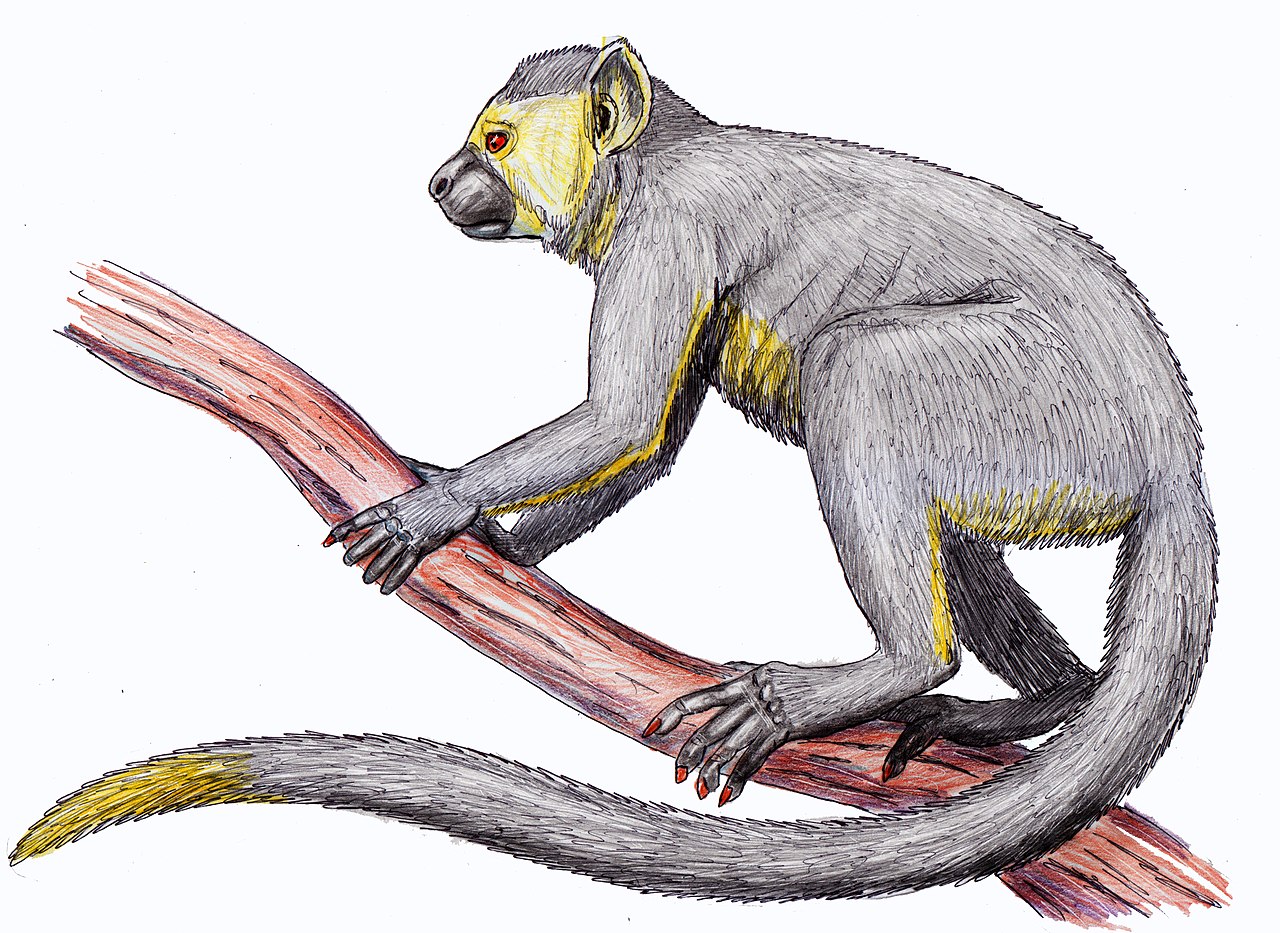
10 Images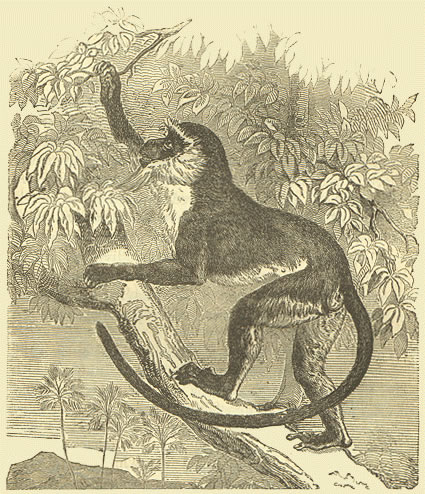



Physical characteristics
Guenons are typically medium-sized monkeys with long tails, slender limbs, and expressive faces. Many species show striking coloration or contrasting facial masks that differ between sexes or populations. Typical features include:
- Long tails used for balance while moving through trees
- Distinctive facial patterns and sometimes cheek whiskers
- Dental and digestive adaptations for an omnivorous diet of fruit, leaves, and insects
Taxonomy and historical notes
The genus is placed in the family Cercopithecidae. Taxonomy has changed as scientists have revised relationships: several species once classified within Cercopithecus have been reassigned to other genera. For example, the vervet and green monkeys are now placed in the genus Chlorocebus, though they were formerly grouped under Cercopithecus. Local forms and isolated populations have produced many named subspecies and variants; researchers often list these under regional treatments or as subspecies.
Behavior and ecology
Guenons are largely arboreal and diurnal. Many species live in social groups that range from small family units to larger mixed-sex troops. Their diet is typically omnivorous, emphasizing fruit, leaves, seeds and invertebrates. As seed dispersers and prey, they play ecological roles in forest dynamics. Habitat preferences vary from dense rainforests to gallery woods, and some species occupy more open habitats or forest edges (habitat studies document this range).
Conservation and significance
Numerous guenon species have restricted geographic ranges and are vulnerable to habitat loss, hunting and fragmentation. Conservation attention focuses on habitat protection, population surveys and, in some cases, captive breeding or translocation. Because many species are locally endemic, they are useful indicators of regional forest health and biodiversity.
Notable distinctions and examples
Guenons are often distinguished from other African monkeys by their colorful facial markings and strong tree-oriented locomotion. Well known examples and related research subjects include the Diana monkey and other named forest species; detailed species accounts appear in taxonomic guides and regional faunal lists (Cercopithecus summaries and distribution notes at range studies). For general information on captive and field observations see overview resources (subspecies notes, related genera).
Related articles
Author
AlegsaOnline.com Cercopithecus (guenons): African forest monkeys Leandro Alegsa
URL: https://en.alegsaonline.com/art/18163
Sources
- bucknell.edu : "GENUS Cercopithecus"
- google.com : Mammal Species of the World: A Taxonomic and Geographic Reference
- worldcat.org : 62265494