
Central Africa: geography, peoples, history, and contemporary significance
Overview of Central Africa, its countries, geography, peoples, history, natural resources, and contemporary challenges, including conservation and regional cooperation.
Central Africa is a broadly defined subregion of the African continent. It commonly includes Angola, Burundi, Cameroon, Chad, the Republic of the Congo, the Democratic Republic of the Congo, Gabon, Equatorial Guinea, São Tomé and Príncipe, the Central African Republic and Rwanda. These states share parts of the Congo Basin and a mix of equatorial rainforest, savanna and highland environments.
Image gallery
10 Images




Geography and environment
The region is dominated by the Congo River system and associated rainforests, which form the second-largest tropical forest on Earth after the Amazon. This landscape supports exceptional biodiversity, large mammal populations, and important freshwater systems. Central Africa's climates range from humid equatorial zones to drier Sahelian and highland areas, producing a variety of ecosystems and agricultural zones.
People, languages and economies
Central Africa is home to ethnic and linguistic diversity, with many Bantu-speaking peoples alongside Nilotic and Central Sudanic groups. Colonial languages such as French and Portuguese serve as official or administrative languages in several countries. Economies vary widely: some states rely heavily on oil and minerals, others on agriculture, forestry and fishing. Urban centers and transport corridors are concentrated around river basins and coastal ports.
- Notable resources: timber, minerals (including metals and gemstones), petroleum and hydroelectric potential.
- Key environmental role: the Congo Basin acts as a major carbon sink and biodiversity reservoir.
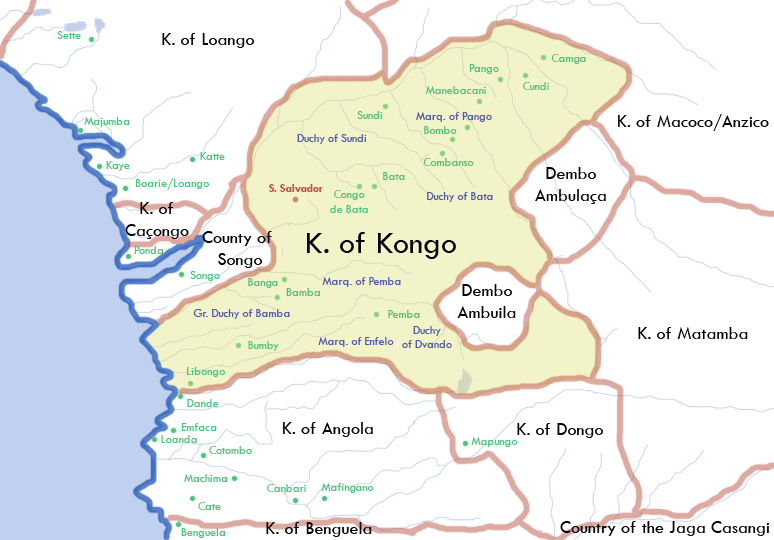
Historically, the area hosted complex precolonial kingdoms and trade networks. From the late 19th century it underwent European colonization, followed by mid-20th-century independence movements and varied postcolonial trajectories. Several countries have experienced political instability and conflict, which has influenced migration, development and regional security.
Central Africa's contemporary importance rests on its ecological services, resource wealth and strategic location. Challenges include governance, infrastructure deficits, conservation pressures, and public health needs. Regional cooperation through economic and political institutions aims to address cross-border issues such as trade, environmental protection and peacebuilding. For further regional context see additional resources.
Related articles
Author
AlegsaOnline.com Central Africa: geography, peoples, history, and contemporary significance Leandro Alegsa
URL: https://en.alegsaonline.com/art/18000
Sources
- africa-union.org : "Economic Community of Central African States"