
Central Bohemian Region (Středočeský kraj)
Region surrounding Prague in the Czech Republic. Covers about 14% of the country, is the most populous region, and contains rivers, protected landscapes, historic towns and key industry.
Overview
The Central Bohemian Region lies in the heart of the Czech Republic and surrounds the national capital. It covers roughly 14% of the country's territory and is commonly cited as the most populous Czech region. Although the city of Prague is administratively separate, it functions as the principal urban centre around which the region is organised and often serves as the seat of regional institutions. For additional regional information see the national entry for the Czech Republic.
Image gallery
10 Images


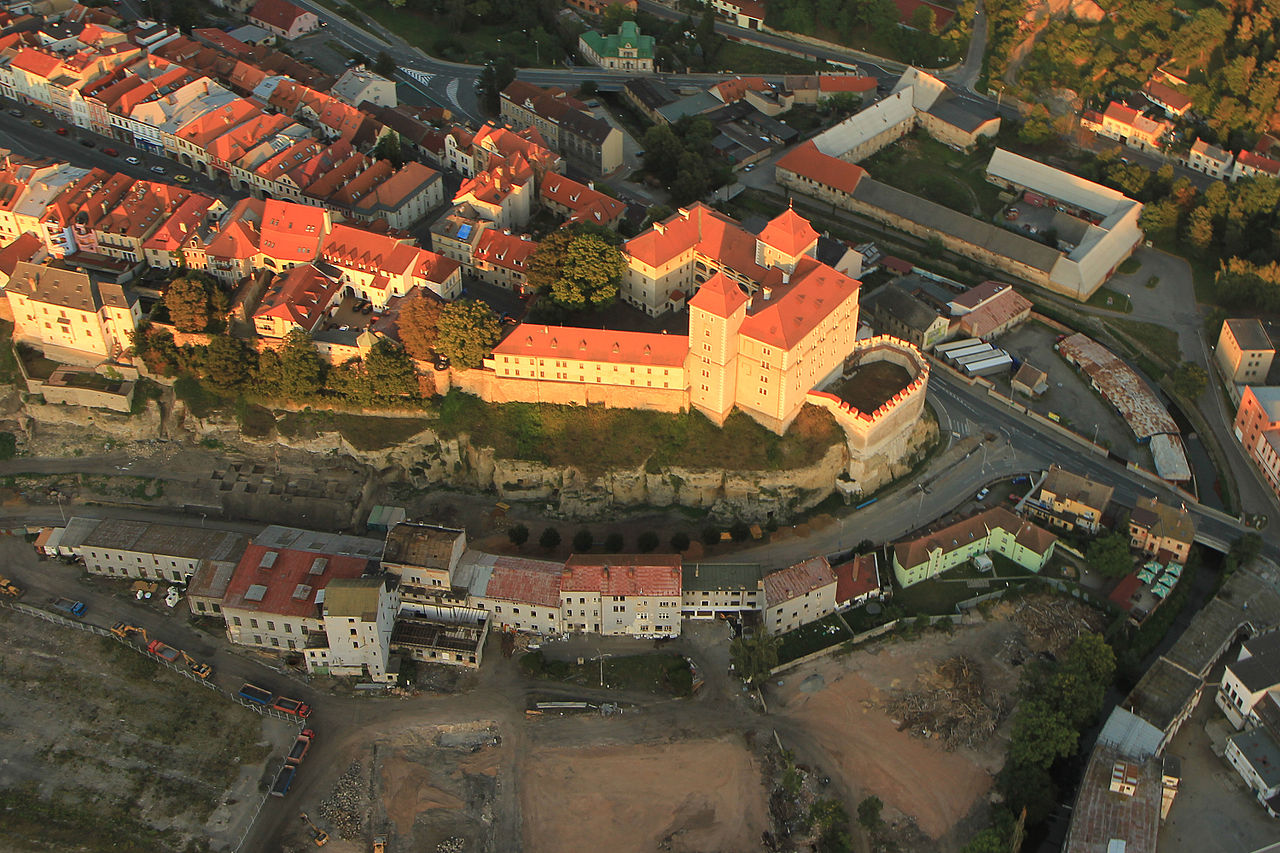


Geography and waterways
The landscape combines lowlands, rolling hills and forested highlands. Several important rivers traverse the region and have shaped settlement, transport and industry. Major rivers include:
- Elbe (Labe) — one of Central Europe’s main navigable rivers.
- Vltava — the longest river in the country, flowing through historic towns and reservoirs.
- Berounka — a tributary formed by the confluence of several streams and passing close to Prague’s outskirts.
- Jizera — rising in the northern highlands and important for freshwater ecosystems.
- Sázava — noted for its meanders and recreational canoe routes.
Protected areas and natural character
Large parts of the region are rural or semi-rural, with significant forest cover and several protected landscape areas. Křivoklátsko Protected Landscape Area is the best-known example, preserving primeval woodland, limestone valleys and a network of trails. These natural zones support biodiversity, attract tourism and provide outdoor recreation close to the capital.
Economy, transport and settlement
The Central Bohemian Region includes a mix of industrial centres, commuter towns and agricultural areas. Automotive manufacturing, heavy industry and precision engineering have notable concentrations in towns such as Mladá Boleslav and Kladno, while fertile lowlands support crop cultivation and orchards. A dense transport network of highways and rail links connects the region internally and with Prague, so many communities function as suburbs or commuter bases for the metropolitan labour market.
History and cultural heritage
Historically the area played a central role in Bohemia: medieval mining, trade routes and royal estates left a rich architectural legacy. Important cultural sites include the silver-mining town of Kutná Hora with its Gothic monuments and ossuary, numerous castles such as Křivoklát, and churches and market towns that illustrate regional development from the Middle Ages to the present. These places attract cultural tourism and scholarly interest.
Administration and notable facts
Administratively the region is divided into several districts and municipalities of varying size. Its proximity to Prague gives it a distinctive profile: high population density in some corridors, strong commuter flows, and a blend of urban amenities with countryside access. For further practical resources and regional services consult the regional portal or local municipal pages via the regional information pages: regional authorities and municipal guides accessible online. Additional background and visitor information can be found through travel and nature portals: river routes, Vltava tourism, and regional overviews at national entries.
Related articles
Author
AlegsaOnline.com Central Bohemian Region (Středočeský kraj) Leandro Alegsa
URL: https://en.alegsaonline.com/art/18015
Sources
- czso.cz : "Population of territorial units of the Czech republic"
- en.wikivoyage.org : Central Bohemia
- commons.wikimedia.org : Central Bohemian Region
- tools.wmflabs.org : 50°0′N 14°32′E / 50.000°N 14.533°E / 50.000; 14.533