
Caterham: Surrey town divided by hill and valley — history, landmarks, and industry
Caterham is a town in Surrey, England, split into Caterham on the Hill and Caterham Valley. It grew around a 19th-century rail link and is known for historic churches, a former military presence and the Caterham sports car.
Overview
Caterham is a town in southern England, located in the county of Surrey. It lies roughly 22 miles (34 km) from nearby market towns such as Guildford and within commuting distance of London. The urban area is commonly described in two parts: the older settlement on higher ground, known as Caterham on the Hill, and the later-developed lower area, called Caterham Valley.
Image gallery
9 Images


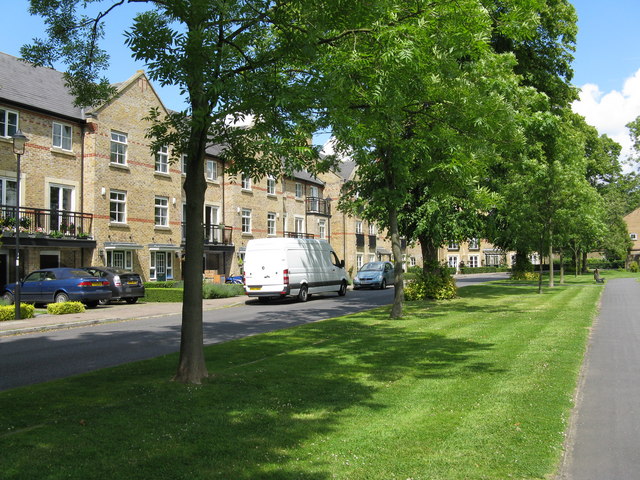
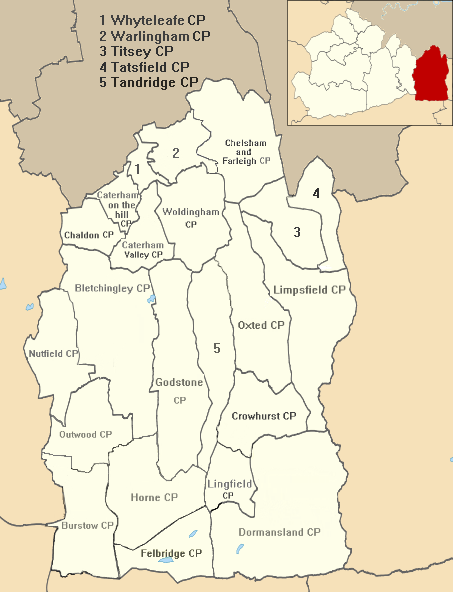
Layout and geography
The town’s distinctive division into hill and valley reflects its development. Caterham Valley grew after a railway line was built below the original village in the mid-19th century, bringing new housing, shops and industry. Historically Caterham occupied one of the more easterly positions in Surrey; administrative boundary changes associated with the creation of Greater London altered its relative position and it is sometimes described as one of the county’s northeastern towns (eastern / northeastern depending on context).
History and development
Settlement in the area goes back many centuries. The parish church on the hill has medieval roots and is often described as having origins that may be around a thousand years old. The arrival of the railway in 1856 was a turning point: it stimulated building in the valley and changed Caterham from a small rural village into a suburban town with a wider range of services and employers.
Landmarks, religion and institutions
Caterham contains several notable churches and historic buildings. In addition to the ancient parish church there are a number of Victorian-era places of worship built during the town’s 19th-century expansion, including St Mary’s, the Caterham United Reformed Church and St John’s (Victorian era). The town also hosted a military presence for many years via a local barracks, which influenced the community and economy.
Notable events and community
Like many towns with a military connection, Caterham has been touched by national events. In 1975 an explosion at a local public house injured people and was attributed to the Irish Republican Army; the incident was one of several during a turbulent period and affected both military personnel and civilians. Today the town supports a mix of shops, schools and community groups and has a population of around 21,000 residents living across hill and valley.
Economy, transport and culture
Transport links remain important: rail and road connections support commuting and local businesses. One of Caterham’s best-known modern associations is with the automotive sector: the name is linked to a specialist sports car maker famous for the lightweight, open-top Seven sports car, a direct descendant of the Lotus Seven design. Local employers, independent traders and small manufacturers continue to shape the town’s character.
Further notes
- The town’s growth pattern — historic village above and Victorian/industrial valley below — provides an instructive example of how 19th-century railways reshaped English settlements.
- Religious buildings range in age from medieval to Victorian, reflecting centuries of continuous community life in the area.
- Caterham’s military history and the presence of a barracks left a lasting imprint on local institutions and housing patterns.
For more detailed local information and historical records, consult dedicated local history resources and municipal archives, or visit local heritage organisations and parish sources which provide maps, documents and photographs of Caterham’s development.
Related articles
Author
AlegsaOnline.com Caterham: Surrey town divided by hill and valley — history, landmarks, and industry Leandro Alegsa
URL: https://en.alegsaonline.com/art/17609
Sources
- distance-calculator.co.uk : "Miles between Guildford Surrey and Caterham N7 Surrey"
- surreycc.gov.uk : Surrey County Council data
- exploringsurreyspast.org.uk : "Caterham"
- surreycc.gov.uk : "The administrative boundaries of the county of Surrey"
- news.google.com : "23 Persons Injured In Bomb Blast"
- stmary-caterham.org.uk : "St. Lawrence's Ancient Church"
- caterham.co.uk : "The World of Caterham Cars – An Overview"