
Casablanca, Morocco — overview, history, landmarks and economy
Casablanca is Morocco's largest city and main Atlantic port. This article reviews its names, history, climate, economy, notable places and cultural significance.
Casablanca is a major Atlantic port city and the largest urban centre in Morocco. Located on the country's western coast, it functions as an economic, commercial and industrial hub with broad influence over national finance, shipping and manufacturing. The city sits along the Atlantic shoreline and has long been a gateway between Morocco and international trade networks. Atlantic Ocean, Morocco, and its municipal character together shape Casablanca's role in the region.
Image gallery
10 Images

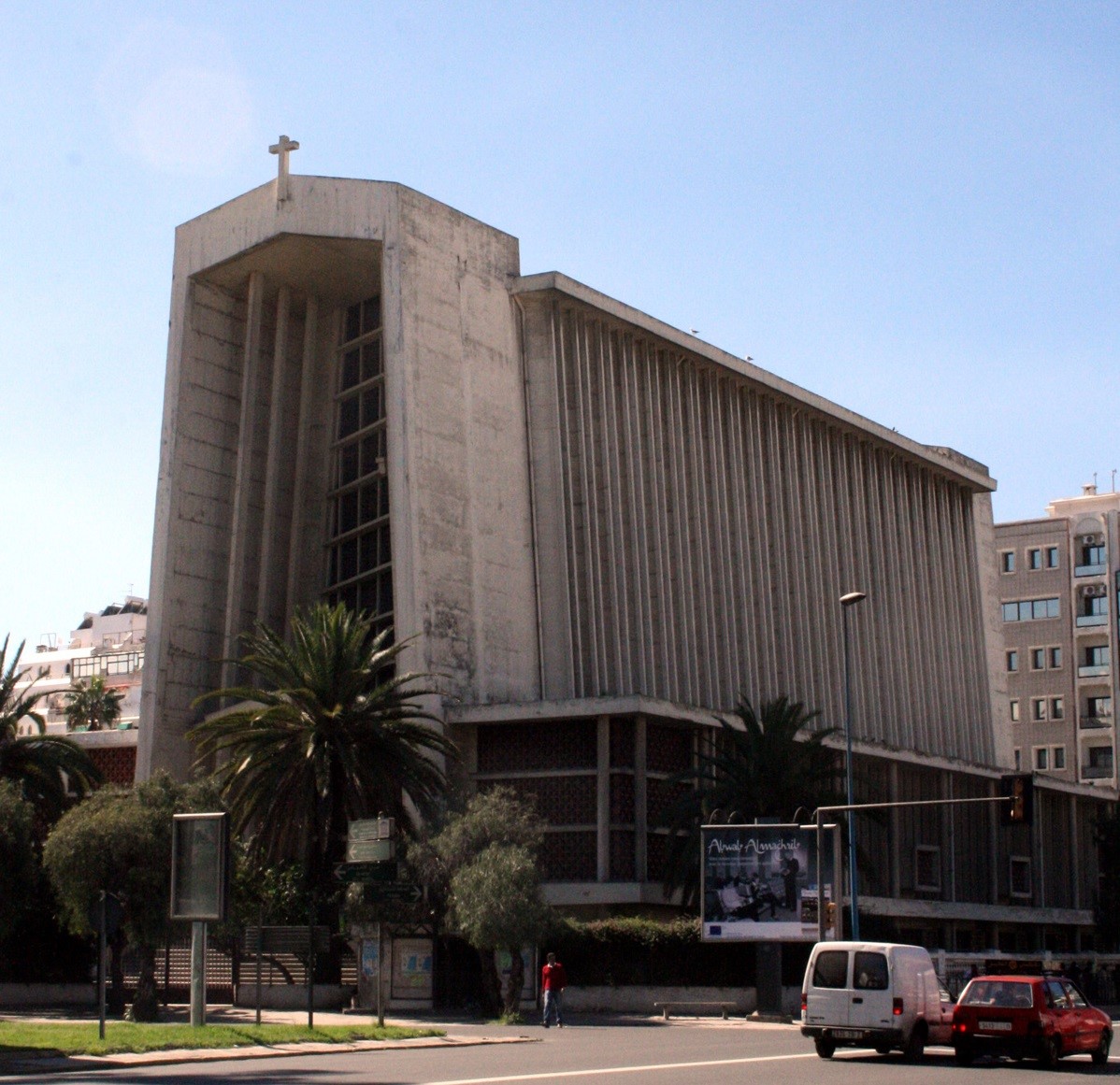


Names and population
The city's Arabic name is الدار البيضاء, commonly translated as “the white house,” and its Spanish name appears as Casablanca. Casablanca grew rapidly during the 20th century and today contains several million residents; older official figures cited about 2.95 million inhabitants in earlier censuses. For demographic context and historic counts see links on population and census data: population estimates and census records.
Historical development
The site of modern Casablanca was occupied in antiquity and later by a settlement known historically as Anfa. Over centuries it served as a regional port and trading place. European contact, including Portuguese presence and episodes of destruction and rebuilding, preceded a decisive transformation under the French protectorate in the early 20th century, when planners and architects laid out broad boulevards and modern infrastructure. Those colonial-era plans, combined with post-independence growth, produced the dense mix of neighbourhoods seen today.
Characteristics and notable places
Casablanca mixes historic quarters and modern commercial districts. The Old Medina retains narrow streets and traditional markets, while the Habous (New Medina) reflects 20th-century urban design. The city’s skyline is punctuated by the Hassan II Mosque, a major modern landmark completed in the late 20th century and open to visitors. Coastal promenades known as the Corniche host leisure, restaurants and hotels. Other civic features include an active port, industrial zones and the national stock exchange.
Economy, culture and significance
As Morocco’s principal industrial and financial centre, Casablanca concentrates banking, manufacturing, logistics and media. Its port operations support imports and exports for the country’s agricultural and industrial sectors. Culturally, the city has inspired literature, music and cinema; its name reached global recognition through the classic film that bears it, though the movie was filmed elsewhere. Contemporary Casablanca remains a focal point for arts, nightlife and higher education.
Climate and practical notes
Casablanca has a Mediterranean climate with relatively mild, wet winters and warm, dry summers. Coastal breezes moderate temperatures compared with interior regions. Travelers and residents alike benefit from the city’s transport links: an international airport, road and rail connections, and extensive port facilities that anchor Casablanca’s continuing role as a national hub.
- See also: urban planning and French protectorate influence.
- Key attractions: Hassan II Mosque, Old Medina, Corniche and business districts.
- Data and further reading: city overview.
Questions and answers
Q: What is Casablanca?
A: Casablanca is a city in western Morocco, on the Atlantic Ocean.
Q: What is the classical Arabic name for Casablanca?
A: The classical Arabic name for Casablanca is الدار البيضاء, which means "the white house".
Q: How many people lived in Casablanca according to the September 2004 census?
A: According to the September 2004 census, 2.95 million people lived in Casablanca.
Q: Is Casablanca the biggest city in Morocco?
A: Yes, Casablanca is Morocco's biggest city.
Q: What kind of climate does Casablanca have?
A: Casablanca has a Mediterranean climate with hot dry summers and wet rainy winters.
Q: What is Casablanca known as in Spanish?
A: Casablanca is known as "whitehouse" in Spanish.
Q: In what ocean is Casablanca located?
A: Casablanca is located on the Atlantic Ocean.
Related articles
Author
AlegsaOnline.com Casablanca, Morocco — overview, history, landmarks and economy Leandro Alegsa
URL: https://en.alegsaonline.com/art/17372
Sources
- eur-lex.europa.eu : eur-lex.europa.eu/legal-content/de/TXT/?uri=CELEX%3A32003L0059
- gesetze-im-internet.de : gesetze-im-internet.de
- jobboerse.arbeitsagentur.de : jobboerse.arbeitsagentur.de