
Casanare Department (Colombia): geography, economy and culture
Casanare is a department in eastern Colombia's Llanos region, with capital Yopal. Known for vast savannas, cattle ranching and significant oil production, it combines ecological diversity and llanero cultural traditions.

Casanare Department is an administrative region in the eastern plains of Colombia, with Yopal as its capital. Located in the Llanos Orientales, Casanare features broad grasslands, seasonal wetlands and river systems that drain toward the Orinoco basin. Its landscape and climate shape traditional livelihoods and modern economic activity.
Image gallery
2 Images
Geography and environment
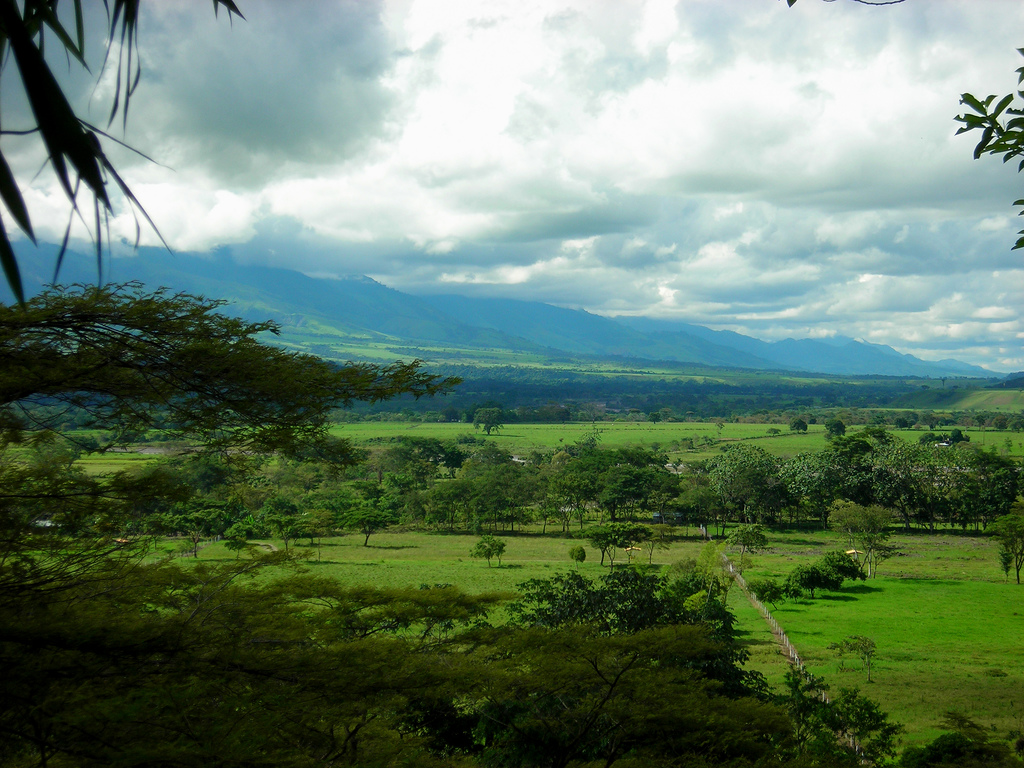
The department is characterized by flat to gently rolling savannas, gallery forests along rivers, and areas that flood during the rainy season. Major rivers and tributaries sustain fisheries and riparian ecosystems. The climate is tropical with a distinct wet and dry cycle, supporting a rich assemblage of wildlife typical of the plains.
Economy and land use
Casanare's economy mixes long-established ranching and agriculture with energy production. Extensive cattle ranches and cultivation of seasonal crops coexist alongside oil and natural gas extraction, which grew markedly in the late 20th century and reshaped local infrastructure and demographics.
- Primary activities: cattle ranching, agriculture (seasonal crops), oil and gas.
- Service and transport sectors have expanded around urban centers like Yopal.
History, culture and population
Indigenous peoples of the plains, including groups of the Guahibo/Sikuani family, shaped the human history of the region long before Spanish colonization. Llanero traditions — music, horsemanship and oral culture — remain important. Population density is relatively low, concentrated in towns and municipal seats.
Administration and municipalities
The department is divided into municipalities centered on small and medium towns. Important municipalities include:
- Yopal (capital)
- Aguazul
- Tauramena
- Paz de Ariporo
- Hato Corozal and Villanueva
Notable issues and conservation
Rapid expansion of oil and related infrastructure has brought economic benefits and environmental pressures, such as habitat fragmentation and pollution. Conservation of wetlands and savanna systems, management of seasonal floods, and support for indigenous and rural communities are ongoing priorities.

Related articles
Author
AlegsaOnline.com Casanare Department (Colombia): geography, economy and culture Leandro Alegsa
URL: https://en.alegsaonline.com/art/17373