
Airport lounge
A member-focused waiting area in airports offering comfort, work facilities, refreshments and business services; access is by ticket class, status, membership or day pass.
Overview
An airport lounge is a dedicated waiting area provided by an airline, alliance, credit-card program or independent operator to offer a quieter, better-equipped alternative to the public terminal. Most lounges sit beyond security on the departure (airside) side of an airport and are intended to improve the travel experience with more space, cleaner facilities and dedicated service for travellers who need comfort, work time or rest before a flight. Many are run by an airline or by multi-airline joint ventures.
Image gallery
9 Images




Typical features
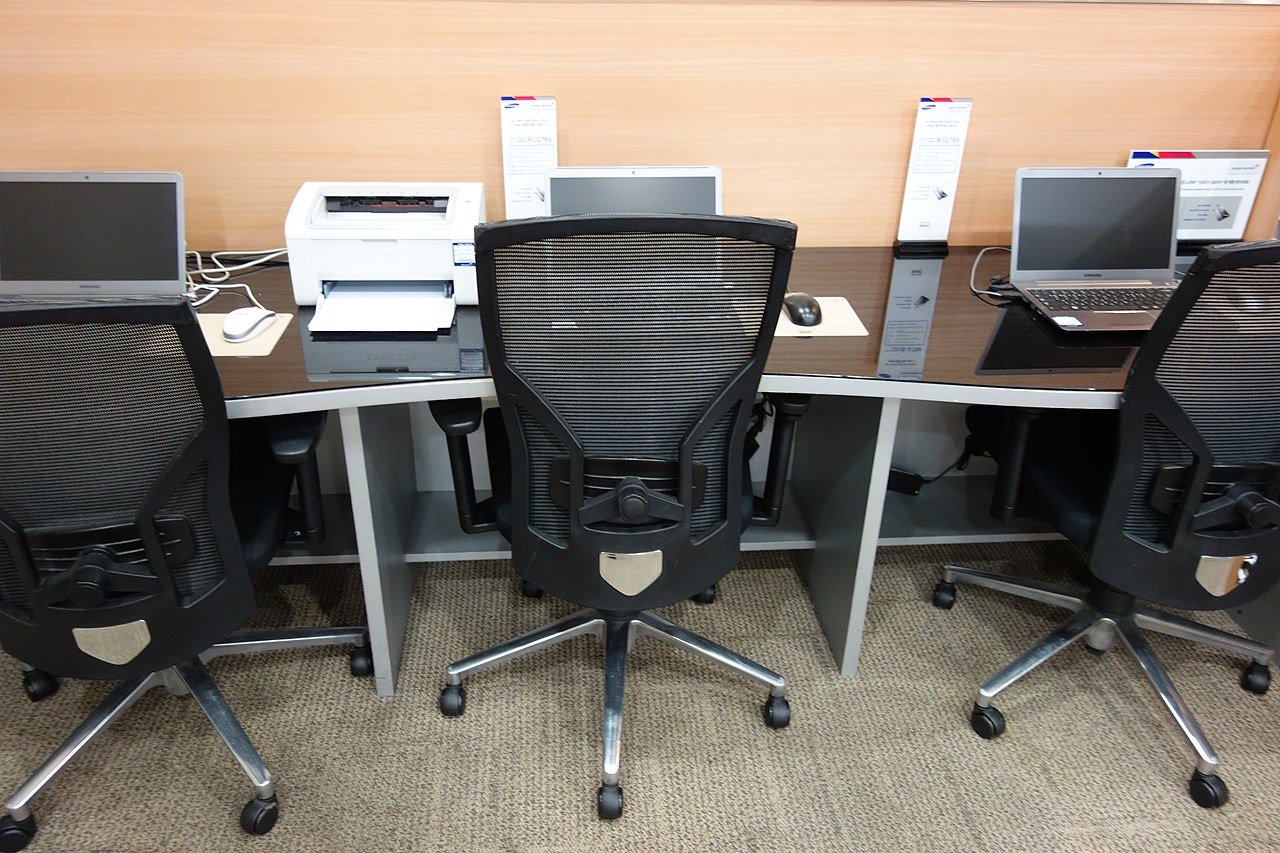
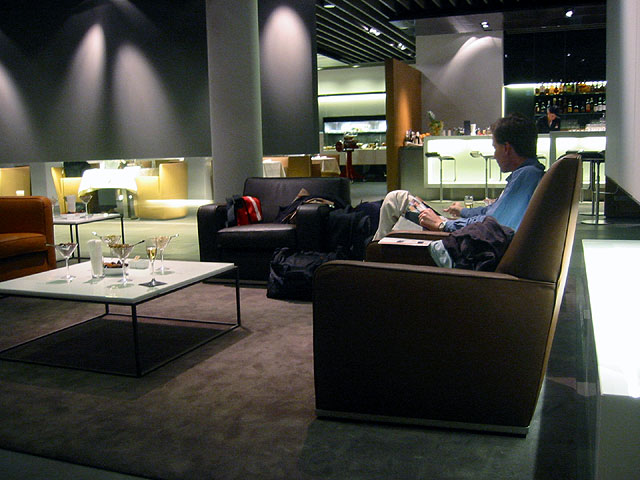
Facilities vary by operator and location but commonly include comfortable seating, food and drink, internet access and work areas. Typical amenities are:
- Comfortable seating zones and quiet corners.
- Complimentary food such as buffets or light meals.
- Beverage service, sometimes including an open bar.
- Free internet access such as free Wi‑Fi and charging points.
- Business facilities like private meeting rooms and other business services.
- Additional offerings may include showers, nap areas, family rooms and concierge assistance.
Access and admission
Access rules differ. Common routes into lounges include premium cabin tickets (first or business class), frequent‑flyer elite status, paid memberships, day passes and certain co‑branded credit cards. Some lounges welcome passengers who pay a fee at the door, while others are restricted to members. Corporate programs and alliance reciprocity also grant entry. Individuals may pay an advertised membership fee or use third‑party networks for access.
History and development
The concept of a reserved club space for passengers dates back to the early 20th century. One of the earliest branded airline lounges was opened by American Airlines in 1939 at LaGuardia, evolving over decades into the modern airport lounge with workspaces, hospitality and networked services. In recent decades lounges have diversified: airline-branded clubs, alliance shared spaces, credit-card lounges and independent commercial lounges have proliferated at major airports worldwide.
Uses, importance and etiquette
Lounges serve business travellers who need to prepare for meetings, families seeking comfortable space before long flights, and any passenger looking to relax or freshen up. They reduce crowding in gates and can provide revenue and brand loyalty for operators. Common etiquette includes respecting dress codes where posted, keeping noise low, limiting guest numbers unless allowed, and complying with security and boarding announcements. Many travellers compare lounge offerings when choosing carriers or credit cards.
Notable distinctions
Operators differ in model and quality: airline lounges often prioritize their own premium passengers, alliance lounges offer reciprocal access within partner carriers, and independent lounges focus on pay-per-use customers. Some emphasize luxury, others productivity or family needs. For further reference about specific programs and policies see airline and airport resources or membership guides from credit‑card and lounge networks.
Related topics and resources: design, business travellers, American Airlines history and contemporary examples of lounge management and services are discussed by industry overviews and travel guides.
Additional reading: airline operations, meeting rooms, business services, seating options, food service, beverage offerings, Wi‑Fi policies, and membership plans including those with an initial fee.
Related articles
Author
AlegsaOnline.com Airport lounge Leandro Alegsa
URL: https://en.alegsaonline.com/art/1707
Sources
- lifehacker.com : "Not Just for VIPs: Everything You Need to Know About Airport Lounges"
- aa.com : "Admirals Club History"