
Al-Azhar University: Cairo’s historic centre of Islamic learning
Al-Azhar is a mosque and university in Cairo, renowned as a global centre for Arabic language and Sunni Islamic scholarship. Founded in 975, it remains one of the world's oldest continuous institutions of higher learning.
Overview
Al-Azhar is both a mosque and an educational institution located in the historic core of Cairo, Egypt. Established in 975, it grew from a congregational mosque into a long-standing centre of study for the Arabic language, Islamic theology and jurisprudence. Today it is widely recognised as a leading institution of Sunni Islamic scholarship and a major reference point for religious education worldwide. The site functions as a university in the modern sense as well as the traditional mosque-school model described on many institutional pages, for example institutional summaries.
Image gallery
8 Images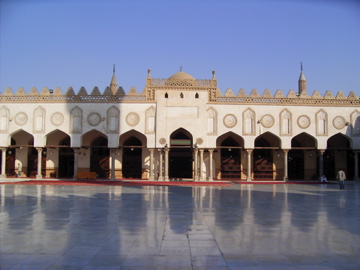



History and development
Al-Azhar was founded under the patronage of the Fatimid dynasty, an Ismaili Shia ruling house, which established the mosque and college to serve both religious and political purposes. Over centuries the school’s orientation, curriculum and leadership changed, and its standing in the Muslim world evolved. It gradually became associated with Sunni norms of theology and law, while maintaining deep roots in classical Islamic disciplines. In the modern era the madrasa expanded into a broader university system with faculties and formal degrees and entered into a closer relationship with the state.
Academic structure and subjects
The institution comprises faculties and departments that teach core Islamic sciences — Qur'anic studies, hadith, classical jurisprudence (fiqh), theology (aqidah) and Arabic language — alongside more contemporary academic subjects. It issues religious opinions, trains imams and scholars, and provides certificates and degrees used across many countries. The curriculum blends traditional methods, such as textual commentary and memorisation, with modern academic practices. For more on its religious teaching role see analyses of Sunni learning.
Role, influence and activities
Al-Azhar plays multiple roles: theological authority, educational provider and cultural repository. It attracts students from many countries, publishes scholarly work, and engages in inter‑religious and contemporary debates about law, ethics and social issues. Its clerical rulings and scholarly positions are often cited by governments, religious organizations and media across the Muslim world. The mosque complex and its historic library are also important centers for manuscript preservation and Arabic literature.
Distinctive facts and contemporary context
- It is widely regarded as one of the oldest continuously operating institutions of higher learning, ranking just after the earliest surviving universities in age.
- Founded under the Fatimids, the institution's long history includes periods of doctrinal and administrative change that shaped its present identity; see historical summaries such as Fatimid-era studies.
- Al-Azhar maintains international ties and accepts students from diverse regions; many contemporary discussions of its role and reforms are available in academic and policy sources like religious-institution analyses and government reports at national archives.
As a living institution, Al-Azhar continues to negotiate tradition and modernity, preserving classical scholarship while participating in contemporary educational and religious debates.
Tags
Related articles
Author
AlegsaOnline.com Al-Azhar University: Cairo’s historic centre of Islamic learning Leandro Alegsa
URL: https://en.alegsaonline.com/art/1860