
Al‑Nusra Front (Jabhat al‑Nusra): origins, role and evolution
Al‑Nusra Front (Jabhat al‑Nusra) was a Salafist militant faction in the Syrian Civil War, once seen as al‑Qaeda’s Syrian affiliate and later rebranded and merged into other insurgent coalitions.
Overview
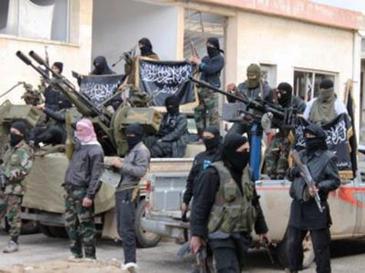
The Al‑Nusra Front, Arabic name جبهة النصرة and later known publicly as Jabhat Fatah al‑Sham (Arabic: جبهة فتح الشام, transliteration Jabhat Fataḥ al‑Šām), emerged early in the Syrian Civil War and quickly became one of the most visible Islamist armed organizations on the ground. Announced on 23 January 2012, the group combined local insurgent networks and foreign fighters and operated primarily in northern and western Syria. Observers commonly described it as Salafi‑jihadist in outlook and reported that its leaders sought to establish a state governed by their interpretation of Islamic law Islamic state.
Image gallery
10 Images




Origins and leadership
Al‑Nusra grew out of the milieu of Syria’s armed opposition, drawing personnel who had fought in Iraq and other regional battlefields. International reporting and official statements linked the group to established regional jihadist networks, and for several years it was widely referred to as the Syrian branch of al‑Qaeda al‑Qaeda in Syria. Its leadership was composed of both Syrian and foreign fighters; command and communication ties with external actors shaped how analysts and governments classified the organization.
Ideology and objectives
The movement espoused a Salafi‑jihadist ideology that prioritized armed struggle, the imposition of conservative religious norms where it exerted control, and the replacement of secular governance with rule based on its interpretation of Islamic law. While its messaging sometimes emphasized local grievances and opposition to the Assad government, its doctrinal commitments and some public statements aligned it with the global jihadist current.
Forces, tactics and governance
Estimates of the group’s manpower varied by source and over time; in late 2012 contemporaneous reporting and spokesmen for other opposition elements suggested several thousand fighters were active under Nusra banners. The group was often described as aggressive on the battlefield and willing to take leading roles in offensives. It operated checkpoints, courts and administrative structures in areas it controlled, applying rules on social conduct and local justice that reflected its ideological orientation. Its military tactics included suicide attacks, combined arms assaults, ambushes and coordinated operations with allied units.
Alliances, coalitions and rivalries
Al‑Nusra both cooperated and competed with other rebel formations. It became a prominent member of the Army of Conquest, a coalition that in early to mid‑2015 captured and held substantial territory in northwestern Syria Army of Conquest. Cooperation with some Islamist and local rebel factions allowed it to expand influence, while ideological and strategic disputes produced clashes with other groups, including periods of violent confrontation with entities such as Ahrar al‑Sham. The group’s operations and networks also had cross‑border dimensions, affecting and drawing on militant dynamics in neighbouring Lebanon Lebanon.
International reaction and legal status
Because of its battlefield conduct and reported links to transnational jihadist networks, the United States designated Jabhat al‑Nusra a Foreign Terrorist Organization in December 2012; the United Nations Security Council and a number of other states and institutions issued similar designations or listed individuals and units associated with the group UN listing. Western governments and international agencies warned that its presence complicated humanitarian access and diplomatic efforts, and imposed sanctions and prohibitions intended to limit material support U.S. Department of State. Contemporary media analysis described the group as, at times, one of the most effective rebel components in specific campaigns media reporting.
Rebranding and merger
In July 2016 the organisation publicly announced a separation from al‑Qaeda and adopted the name Jabhat Fatah al‑Sham, a move its leaders said would ease cooperation with other Syrian actors and alter outside perceptions. The rebranding did not end internal and inter‑group conflicts; in January 2017 the faction joined with several others to form Hay’at Tahrir al‑Sham (commonly referred to as Tahrir al‑Sham), representing another phase in the repeated processes of fragmentation and recombination among opposition forces.
Humanitarian and regional impact
The presence and operations of Al‑Nusra and its successors affected civilian life, humanitarian access and local governance in contested areas. Control of territory by armed groups often led to population displacement, restrictions on aid delivery and changes in local administration. The group’s imposition of its social and judicial norms and its role in hostilities were part of broader dynamics that shaped daily life and the security environment for civilians across affected provinces.
Legacy and historical assessment
Al‑Nusra’s trajectory illustrates central features of the Syrian conflict: the mixing of local and transnational fighters, fluctuating alliances among opposition groups, and the interplay between military gains and international diplomatic pressure. Analysts emphasize caution in assessing any single group’s long‑term influence because the Syrian battlefield has been highly fluid, with organisations changing names, merging and fragmenting over time. The group remains an important case for understanding how jihadist movements adapt to local contexts while engaging with broader ideological networks.
Key points
- Formation announced on 23 January 2012 and rose rapidly as a battlefield actor.
- Often described as the Syrian affiliate of al‑Qaeda before its 2016 rebranding al‑Qaeda link.
- Member of the Army of Conquest coalition during major 2015 campaigns coalition.
- Designated a terrorist organisation by the United States, the UN and others designations and subject to sanctions and legal measures policy.
- Reported in international media as a prominent and at times effective rebel component press analysis.
Questions and answers
Q: What is the name of the organization fighting in the Syrian Civil War?
A: The organization fighting in the Syrian Civil War is known as Jabhat al-Nusra, also referred to as Jabhat Fatah al-Sham or Jabhat Fateh al-Sham.
Q: What does this organization want to create?
A: This organization wants to create an Islamic state in Syria.
Q: When was this group formed?
A: This group was announced on 23 January 2012.
Q: How has it been designated by other countries and organizations?
A: It has been designated as a foreign terrorist organization by the United States, followed by the United Nations Security Council and many other countries.
Q: In what year did it become a separate entity from Al Qaeda?
A: In July 2016, it became a separate entity from Al Qaeda.
Q: How large was its fighter force in November 2012?
A: Its fighter force was estimated to be between 6,000 and 10,000 fighters in November 2012.
Q: What action did the U.S take against this group in December 2012?
A: In December 2012, The U.S designated Nusra a foreign terrorist organization and an alias of Al Qaeda in Iraq which made it illegal for Americans to deal financially with Nusra.
Related articles
Author
AlegsaOnline.com Al‑Nusra Front (Jabhat al‑Nusra): origins, role and evolution Leandro Alegsa
URL: https://en.alegsaonline.com/art/1898
Sources
- world.time.com : "Interview with Official of Jabhat al-Nusra, Syria's Islamist Militia Group"
- news.trust.org : "Syria Islamist factions, including former al Qaeda branch, join forces - statement"
- europarl.europa.eu : "The involvement of Salafism/Wahhabism in the support and supply of arms to rebel groups around the world"
- books.google.com : The Hillary Doctrine
- nationalsecurity.gov.au : "Jabhat al-Nusra"
- quilliamfoundation.org : "Jabhat al-Nusra, A Strategic Briefing" · web.archive.org
- web.stanford.edu : "Al-Nusra Front"
- world.time.com : "TIME Exclusive: Meet the Islamist Militants Fighting Alongside Syria's Rebels"
- news.trust.org : "Air strike kills top commander of former Nusra group in Syria"
- longwarjournal.org : "Uighur jihadist fought in Afghanistan, killed in Syria"
- al-monitor.com : "Syria: ISIS tightens grip, Nusra takes losses"
- al-monitor.com : "ISIS losing ground in Syria to Jabhat al-Nusra"
- edition.cnn.com : "Report: Airstrikes target another Islamist group in Syria"