
Captain Marvel (DC Comics) — Shazam, the magic-powered superhero
Captain Marvel, commonly called Shazam, is a DC Comics superhero—Billy Batson transformed by the magic word SHAZAM into an adult champion with mythic powers. Overview, history, powers, media and notable foes.
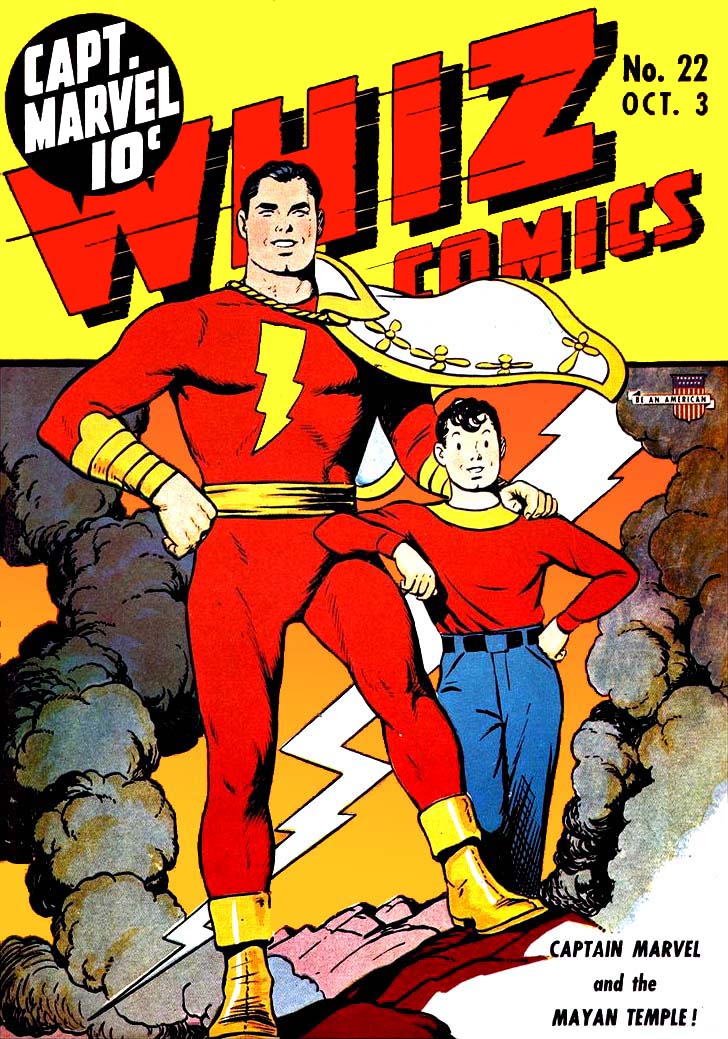
Captain Marvel, more frequently referred to today as Shazam, is a long-running superhero character in American comics who transforms from a child into a magic-powered adult by uttering the word SHAZAM. The name evokes an incantation and a set of mythic sources for the character's abilities. The figure has appeared in comic books since the Golden Age of comics and remains a recognizable part of the DC Comics stable of characters, with adaptations in radio, animation and feature film.
Image gallery
10 Images





Character and powers
At the core of the concept is Billy Batson, a young boy who becomes an adult superhero when he speaks the magic word. That word is traditionally presented as an acronym invoking six legendary figures whose attributes he receives: Solomon, Hercules, Atlas, Zeus, Achilles, and Mercury. From these sources he gains a combination of wisdom, strength, stamina, power, courage and speed, plus flight and other supernatural abilities. Writers have varied which qualities are emphasized, but the mix of mythic and magical origins is constant.
Origins and creators
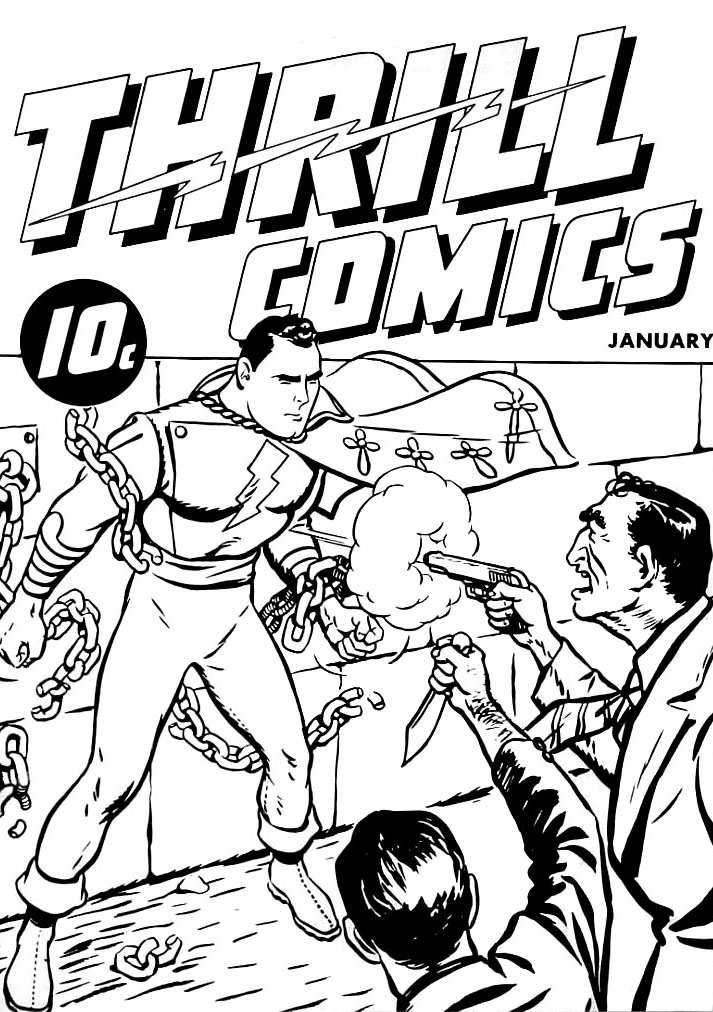
The character was created in the late 1930s by artist C. C. Beck and writer Bill Parker and first reached readers during the Golden Age of comics. He debuted in the pages of Fawcett Comics and achieved prominence quickly. Popularity, publishing disputes and changing business arrangements over decades produced a complex legal and editorial history: the character was famously compared to other contemporary heroes such as Superman, and later became part of the DC Comics line after licensing and corporate transfers.
Publication history and notable rivals
Captain Marvel headlined his own anthology titles and became one of the best-selling superheroes of the 1940s. Storylines often paired the hero with a youthful supporting cast and a rogues’ gallery that emphasizes mad scientists, corrupted monarchs and rival magic users. Two of the most persistent adversaries in his stories are the scheming inventor Doctor Sivana and the morally ambiguous antihero Black Adam, each representing different kinds of threats—one scientific and whimsical, the other mythic and brutal.
Adaptations and cultural impact
The character moved beyond print into other media over many decades, appearing in radio serials, animated series and live-action serials during the mid-20th century. In contemporary cinema, the hero was portrayed by Zachary Levi in the modern feature film that is part of the broader DC Extended Universe. That 2019 movie, titled Shazam!, presented a family-friendly, humorous take on the wish-fulfillment premise while introducing the character to a new generation of viewers.
Attributes, distinctions and legacy
- The character blends childlike innocence with the responsibilities of adult power, creating stories about identity and morality.
- His magic-word transformation and mythological source list set him apart from science-based heroes and emphasize mystical storytelling.
- Long-term legal and branding issues around the name "Captain Marvel" led to shifting usage of the names "Captain Marvel" and "Shazam" in commerce and on comics covers.
- Over decades, the character has been updated repeatedly by different creative teams, keeping the core premise intact while varying tone from whimsical to darker, mythic drama.
For more detailed articles, historical scans and official pages see these references: character overview, American comic books, DC Comics, creator profiles and archives, and specific entries for enemies and mythic sources such as Solomon, Hercules, Atlas, Zeus, Achilles, Mercury, or for comparative context with peers like Superman. Further media reference links include profiles of Zachary Levi, the DC Extended Universe entry and the theatrical release Shazam!.
Related articles
Author
AlegsaOnline.com Captain Marvel (DC Comics) — Shazam, the magic-powered superhero Leandro Alegsa
URL: https://en.alegsaonline.com/art/16808
Sources
- moviepoopshoot.com : "The World's Mightiest Mortal"
- comicbookads.leafpublishing.com : "Comic Book Success Stories"