
Capsaicin
Capsaicin is the primary vanilloid compound in chili peppers that produces heat. Oil‑soluble and colorless, it acts on TRPV1 sensory receptors and is used in food, topical analgesics and defensive sprays.
Overview
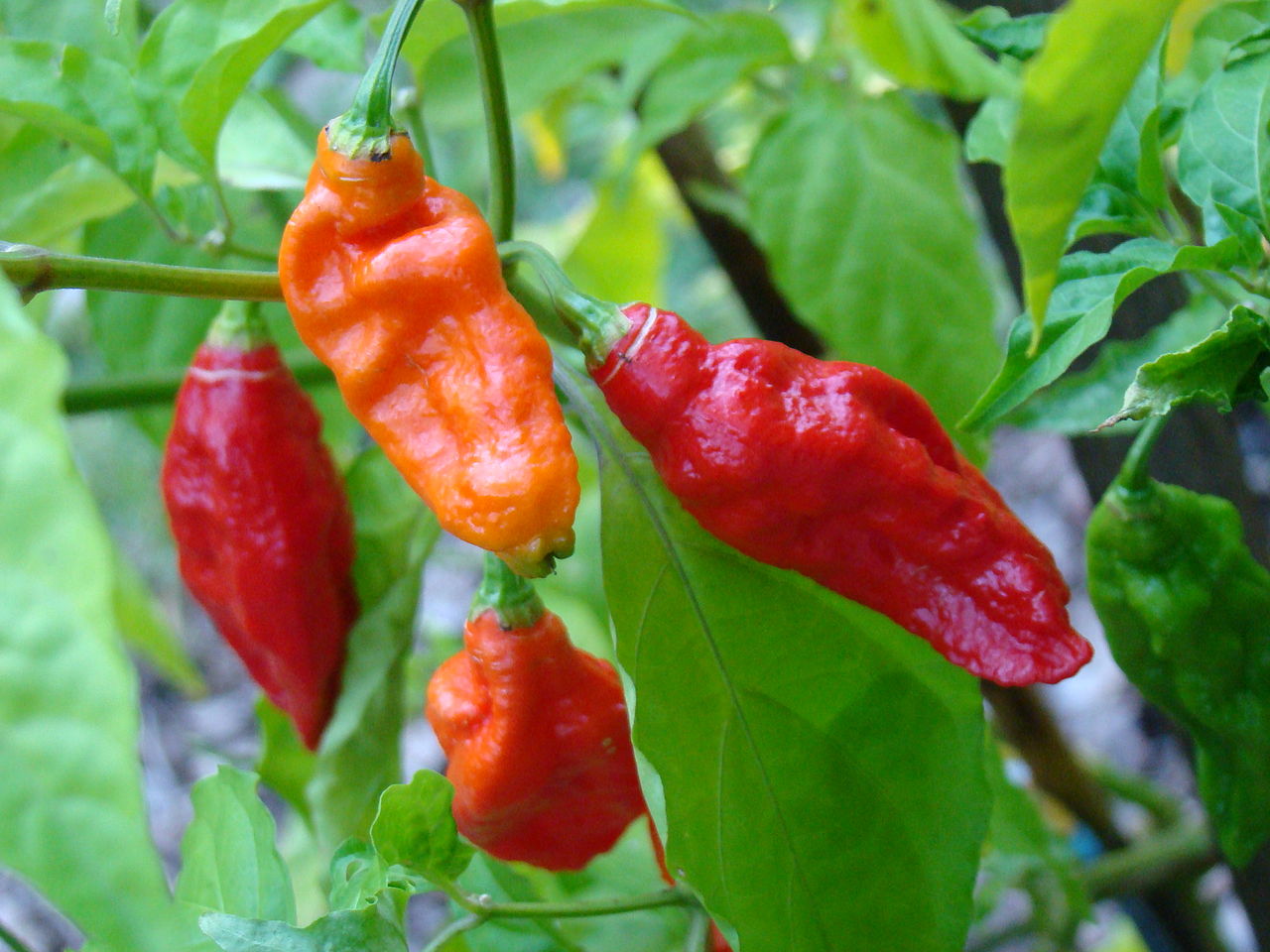
Capsaicin is the principal pungent compound found in the fruits of plants in the genus Capsicum. It belongs to the capsaicinoid family, a group of related molecules that produce the characteristic burning or hot sensation associated with chili peppers. These compounds are largely lipophilic (oil‑soluble), colorless and have little odor in pure form. The trait is understood primarily as a defence mechanism by the plant to deter certain herbivores and pathogens while allowing seed dispersal by other animals.
Image gallery
9 Images




Chemistry and related compounds
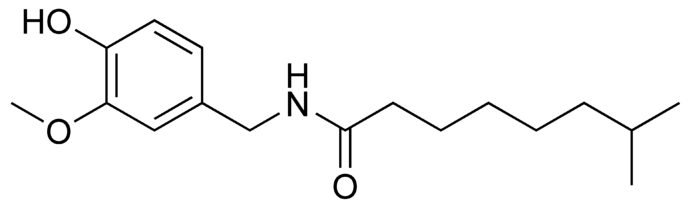
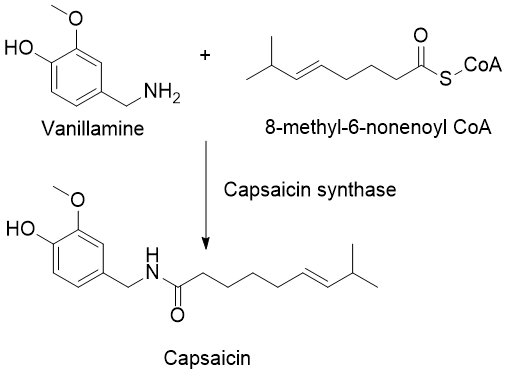
Capsaicin is one of several capsaicinoids; others include dihydrocapsaicin and nordihydrocapsaicin, which contribute to the overall pungency of a pepper. Capsaicinoids are typically extracted from pepper fruit as an oleoresin or purified for research and commercial use. Because the molecules are hydrophobic, they dissolve readily in oils and fats; they are not meaningfully soluble in plain water.
Mechanism of action
The primary biological target of capsaicin in mammals is the TRPV1 receptor (transient receptor potential vanilloid 1) expressed on sensory neurons. When capsaicin binds to TRPV1 it opens an ion channel that permits calcium and sodium influx, producing a burning or stinging sensation. With repeated or prolonged exposure the same neurons can become desensitized and reduce signalling; this effect underlies some therapeutic uses of capsaicin.
Uses
Capsaicin has several widely recognised applications. In cooking, it provides flavour and heat; different cultivars and preparation methods yield widely varying pungency. Medicinally, topical formulations containing capsaicin are used to treat certain types of neuropathic and musculoskeletal pain by inducing desensitization and reducing pain signalling over time. At higher concentrations, capsaicin or pepper oleoresin is the active ingredient in non‑lethal defensive sprays. For more information on culinary sources see chili peppers, for topical preparations see analgesic formulations, and for defensive products see pepper spray.
Measurement and varieties
Pungency in peppers is often described using the Scoville scale, a traditional sensory measure, and by modern chemical methods such as chromatography for quantifying capsaicinoid concentration. Pepper varieties differ widely in capsaicinoid profile and concentration, which produces the spectrum of mild to very hot types used in cuisines around the world.
Handling, safety and first aid
Because capsaicin is oil‑soluble, it does not wash away effectively with water alone. It binds to oils and fats, so washing with soap (which helps emulsify oils) and using oily or fatty cleansers can be effective. Dairy products such as milk or yoghurt contain proteins and fats that can help relieve the sensation after ingestion. Practical guidance on removal can be found in discussions of oil, fat and culinary remedies such as milk or yoghurt. When handling concentrated extracts, use gloves and eye protection and avoid contact with eyes and mucous membranes; if capsaicin contacts the eyes, rinse with abundant water and seek medical attention if pain persists.
Research and history
Capsaicin has been studied for diverse potential effects beyond topical pain relief, including influences on digestion, metabolism and circulation. Scientific conclusions are cautious and continue to develop through controlled research. Historically, cultures around the world have used capsaicin‑bearing plants for culinary, medicinal and protective purposes for centuries, and modern uses continue to reflect that long familiarity.
Key points
- Primary natural source: species of Capsicum (chili peppers).
- Biological target: TRPV1 ion channel on sensory neurons.
- Common applications: culinary heat, topical analgesic products, and non‑lethal defensive sprays such as pepper spray.
- Cleaning and relief: capsaicin is oil‑soluble—soap, oil/fat‑based removal or dairy like milk or yoghurt are commonly recommended; see notes on oil and fat.
Related articles
Author
AlegsaOnline.com Capsaicin Leandro Alegsa
URL: https://en.alegsaonline.com/art/16794
Sources
- npr.org : What made chili peppers so spicy?
- wikidata.org : wikidata.org/wiki/Q273169
- d-nb.info : 7538173-4
- id.loc.gov : sh85020016