
Cape Hatteras: geography, history, and maritime significance
Cape Hatteras, a prominent cape on the North Carolina coast, is known for hazardous shoals, the historic Cape Hatteras Lighthouse, marine navigation history, and its role in conservation and tourism.
Overview
Cape Hatteras is a well-known cape located off the Outer Banks on the coast of North Carolina. It marks a prominent bend along the Atlantic coast of North America, projecting seaward and influencing currents and coastal processes. The cape and surrounding waters have long been important for navigation, fishing, and coastal ecology.
Image gallery
5 Images

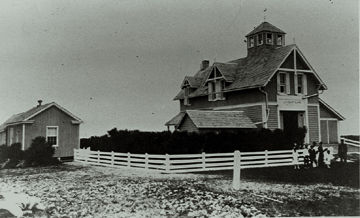


Physical features and hazards
Cape Hatteras is formed by a series of barrier islands and shifting sand shoals. The most notorious of these are Diamond Shoals, a complex of shallow bars that extend seaward from the cape and create unpredictable waves and currents. These conditions have contributed to many shipwrecks in the area and earned parts of the region the nickname "Graveyard of the Atlantic." The coastline here is dynamic: storms, longshore drift, and tidal flow continually reshape beaches and inlets.
Historic and cultural importance
Mariners have relied on Cape Hatteras as a navigational reference for centuries. The cape's location made it a focal point for coastal shipping along the eastern seaboard and for vessels crossing transatlantic routes. Several historic shipwrecks found near the shoals are of archaeological and educational interest, and the maritime history of the area is preserved in local museums and interpretive centers.
Cape Hatteras Lighthouse
The Cape Hatteras Lighthouse is an iconic brick tower first lit in the 19th century and commonly cited as being completed in 1870. It is notable for its height and distinctive black-and-white spiral daymark. Facing threats from shoreline erosion, the lighthouse was moved inland in 1999 to protect it from encroaching sea and weather. Today it remains a landmark for visitors and an emblem of the area's maritime heritage.
Conservation, recreation, and economy
The cape and nearby islands are part of coastal protected areas and support diverse habitats: dunes, maritime forests, and estuarine waters that sustain shorebirds, sea turtles, and fisheries. Tourism—beachgoing, sport fishing, birdwatching, and heritage tourism—plays a major role in the local economy. Management efforts balance public access with habitat protection and efforts to reduce risks from coastal erosion and storm damage.
Notable facts and distinctions
- Diamond Shoals are a major navigational hazard extending off the cape.
- Because of frequent wrecks and treacherous conditions, the area has been called the "Graveyard of the Atlantic."
- The Cape Hatteras Lighthouse is a historic brick lighthouse that was preserved and moved to avoid shoreline loss.
- The cape exemplifies barrier island dynamics and the challenges of coastal management in the face of storms and sea-level change.
For more information on navigation, habitats, and visitor opportunities, see official resources and local heritage organizations that document the natural and cultural history of Cape Hatteras.
Related articles
Author
AlegsaOnline.com Cape Hatteras: geography, history, and maritime significance Leandro Alegsa
URL: https://en.alegsaonline.com/art/16708
Sources
- threadex.rcc-acis.org : ThreadEx
- nws.noaa.gov : "NOWData - NOAA Online Weather Data"