
Cape Romano, Florida: geography, history, and coastal significance
Cape Romano is a coastal headland on Caxambas Island in Collier County, Florida. Noted for its shifting shoreline, ecological value, landmark dome house and as the 2005 landfall site of Hurricane Wilma.
Overview
Cape Romano is a low-lying headland located at the southern end of Caxambas Island, just south of Marco Island and lying northwest of the maze of islands known as the Ten Thousand Islands. The cape sits within Collier County along the Gulf Coast of Florida. It forms part of a dynamic coastal region of barrier islands, tidal passes and mangrove estuaries that exchange water with the Gulf of Mexico and support a wide variety of wildlife.
Image gallery
1 Image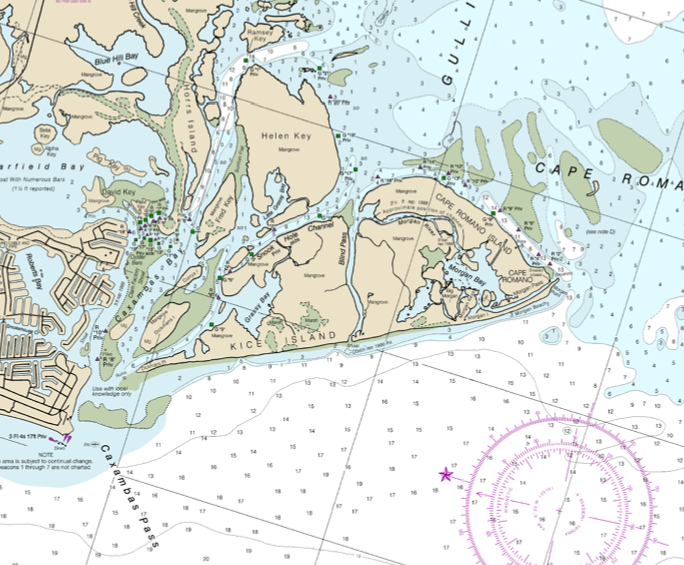
Physical characteristics
The shorelines around Cape Romano are characterized by shallow sandbars, mangrove fringes and tidal creeks. Winds, tides and storm surge continually reshape the beaches and inlets; shoaling and erosion have altered maps of the area over decades. Offshore and nearshore habitats include seagrass beds and scattered hardbottom that provide food and shelter for fish and invertebrates. The cape is accessible primarily by boat and is a familiar waypoint for recreational boaters, anglers and kayakers exploring the Ten Thousand Islands and nearby reserves.
Human history and early contact
Indigenous peoples of the region, commonly associated with the Calusa culture, used islands and coastal sites in this part of southwest Florida for centuries before European contact. Early Spanish explorers encountered the area during the era of New World voyages; historical accounts indicate that Juan Ponce de León made a brief stop at a place the locals called Manataca while voyaging from Puerto Rico toward the Florida coast. Encounters between Europeans and native groups in the region were often tense as the newcomers attempted to land and assert control over resources and territory.
Modern events and landmarks
Cape Romano has figured in modern news because of tropical storms and coastal change. It was the U.S. landfall point for Hurricane Wilma in October 2005, an event that brought severe storm surge and beach alteration to the local shoreline. The cape was also affected by Tropical Storm Fay in 2008 and by numerous other seasonal storms.
Near the cape stands one of the region's most photographed curiosities: the partially submerged multi-domed residence commonly called the Cape Romano Dome House. Constructed in the late 20th century on a nearby shoal, the concrete domes were gradually undermined by erosion and wave action and have become a prominent, sometimes controversial, marker of coastal change and the power of storms.
Ecology, recreation and conservation
The Cape Romano area is ecologically important as part of the greater Ten Thousand Islands–Everglades coastal system. Mangroves and seagrass beds function as nursery areas for commercially and recreationally important fish, and the islands host shorebirds, wading birds and other wildlife. Visitors commonly come for fishing, birdwatching, photography and paddling. Several nearby areas are managed as state or federal protected lands to conserve habitat and support research; these protections affect where and how people may visit sensitive zones.
Threats and management
Coastal erosion, sea-level rise and the recurring impact of hurricanes present ongoing challenges at Cape Romano. Natural change is compounded by human development on adjacent mainland and barrier islands, which can modify sediment supply and hydrology. Local and regional agencies monitor shoreline changes, regulate boating and shore access in sensitive areas, and promote conservation measures to preserve habitats and reduce risk to property.
Notable facts
- Cape Romano serves as a geographic reference point for boaters and for storm landfall records.
- The Cape Romano Dome House remains a prominent visual indication of shoreline retreat and storm damage.
- Nearby protected areas and reserves underscore the ecological value of the Ten Thousand Islands region and the need for careful public access and habitat protection.
For more information on local geography, regulations and visiting guidelines, consult resources about Marco Island, Collier County, and regional conservation programs in Florida. Historical references to early European landings mention explorers such as Juan Ponce de León arriving from places like Puerto Rico. Meteorological records and storm histories note events including Hurricane Wilma in October 2005 and Tropical Storm Fay in 2008 as significant occurrences that affected Cape Romano.
Related articles
Author
AlegsaOnline.com Cape Romano, Florida: geography, history, and coastal significance Leandro Alegsa
URL: https://en.alegsaonline.com/art/16723