
Cape Columbia: Canada's northernmost point of land on Ellesmere Island
Cape Columbia is the northernmost point of land in Canada on Ellesmere Island, marking a coastal limit of the Lincoln Sea and serving as a historic launch site for polar exploration and Arctic research.
Overview
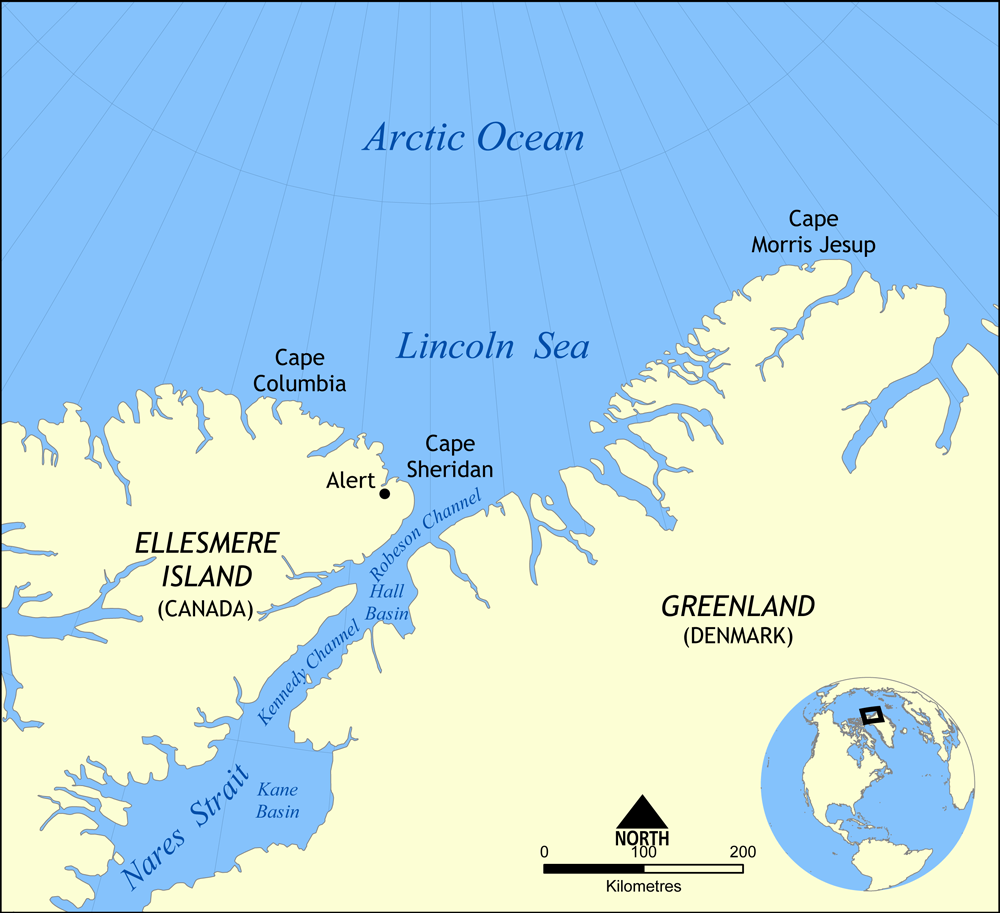
Cape Columbia is the northernmost point of land in Canada. It sits on the northern coast of Ellesmere Island, within the administrative area known as the Qikiqtaaluk Region of Nunavut. The cape marks the westernmost coastal point of the Lincoln Sea in the Arctic Ocean and lies a few hundred kilometres from the North Pole, making it one of the closest mainland points on Earth to that geographic landmark.
Image gallery
5 Images


Geography and ecology
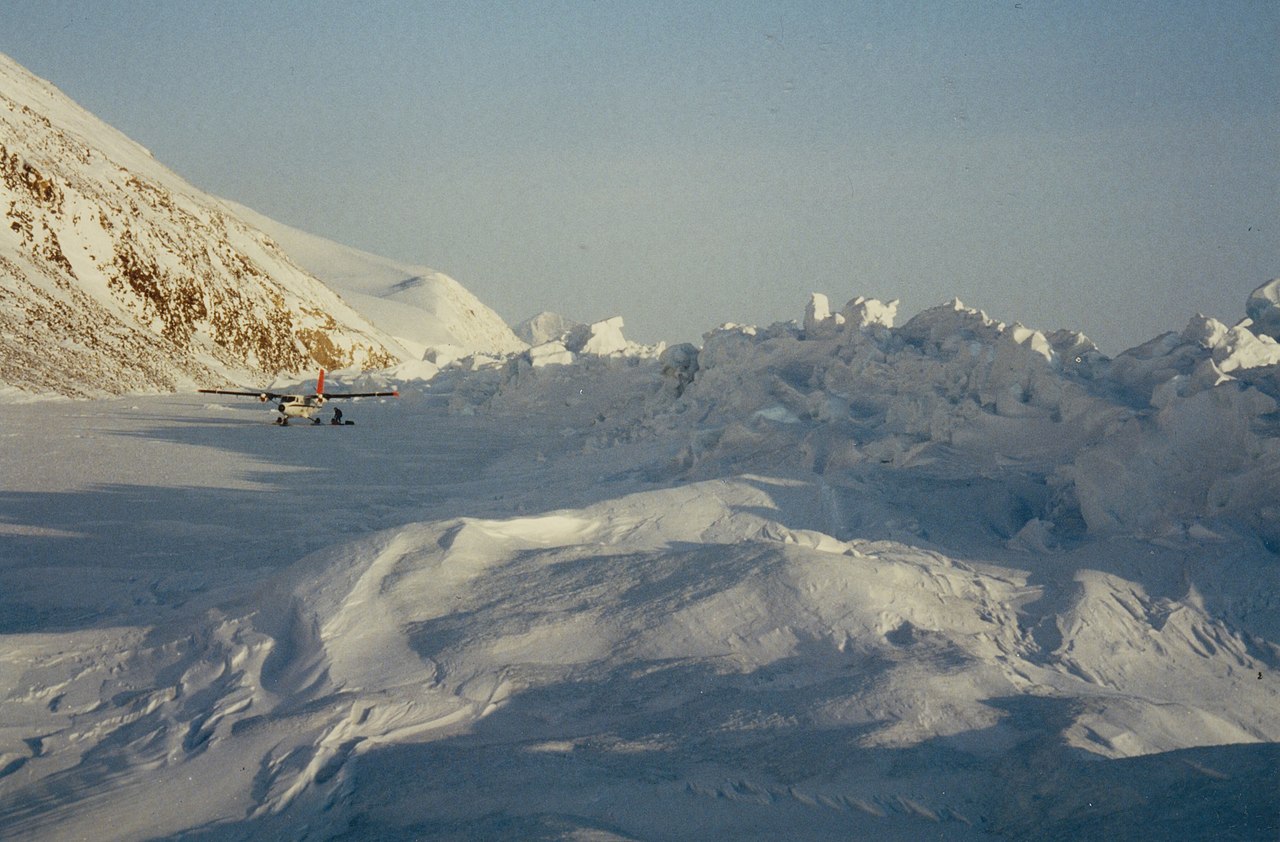
Cape Columbia occupies a landscape typical of the high Arctic: rocky headlands, steep coastal cliffs, permanent permafrost and an environment dominated by pack ice for much of the year. Vegetation is sparse and restricted to hardy mosses, lichens and cold-tolerant flowering plants where microclimates permit. Wildlife in the area includes species adapted to polar conditions, such as polar bears, seals and several seabird species that nest on coastal cliffs during the brief summer.
Characteristics
- High-latitude coastal headland with exposed bedrock and glacial features.
- Surrounded seasonally by sea ice and fast ice of the Lincoln Sea.
- Harsh polar climate with long winters, short cool summers and strong winds.
- Minimal human infrastructure; access is difficult and weather dependent.
History and exploration
The cape acquired international attention in the era of polar exploration. In the early 20th century it was used as a staging area for attempts to reach the North Pole. These expeditions highlighted Cape Columbia's strategic value as one of the last accessible land bases before the polar ice, and its name features in accounts of Arctic exploration. Earlier and later generations of Inuit and scientific teams also visited the region, contributing traditional knowledge and modern observations.
Uses, significance and research
Today Cape Columbia is important for scientific study and for understanding Arctic processes. Its proximity to perennial sea ice makes it a reference point for research into sea-ice dynamics, climate change, oceanography and northern ecology. The remoteness of the site means any activity there is logistically challenging; studies and visits are typically conducted from temporary field camps or via aircraft and ice-capable vessels. The cape also figures in broader discussions about Arctic sovereignty, navigation and the environmental sensitivity of high-latitude coastal zones.
Access and conservation
Access to Cape Columbia is limited and seasonal. Travel to the cape generally requires specialized transport and careful planning to manage extreme weather and environmental risks. Because the high Arctic supports fragile ecosystems, researchers and visitors follow regulatory frameworks and permitting processes intended to minimize disturbance. Cape Columbia remains a notable geographic landmark—valued for its natural characteristics, its role in polar history and its continued importance to Arctic science.
Related articles
Author
AlegsaOnline.com Cape Columbia: Canada's northernmost point of land on Ellesmere Island Leandro Alegsa
URL: https://en.alegsaonline.com/art/16700