
Aldudes (commune in the French Basque Country)
Aldudes is a small rural commune in the Pyrénées-Atlantiques in southwestern France, set in a mountain valley of the French Basque Country, known for pastoral traditions, Basque culture and outdoor recreation.
Aldudes is a small mountain commune located in the French Basque Country in southwestern France. It lies in the upland valley that gives the village its informal name, and administratively belongs to the Pyrénées-Atlantiques département. The settlement is rural and compact, characterized by a strong local identity and a landscape of steep pastures and wooded slopes near the Pyrenean chain.
Image gallery
10 Images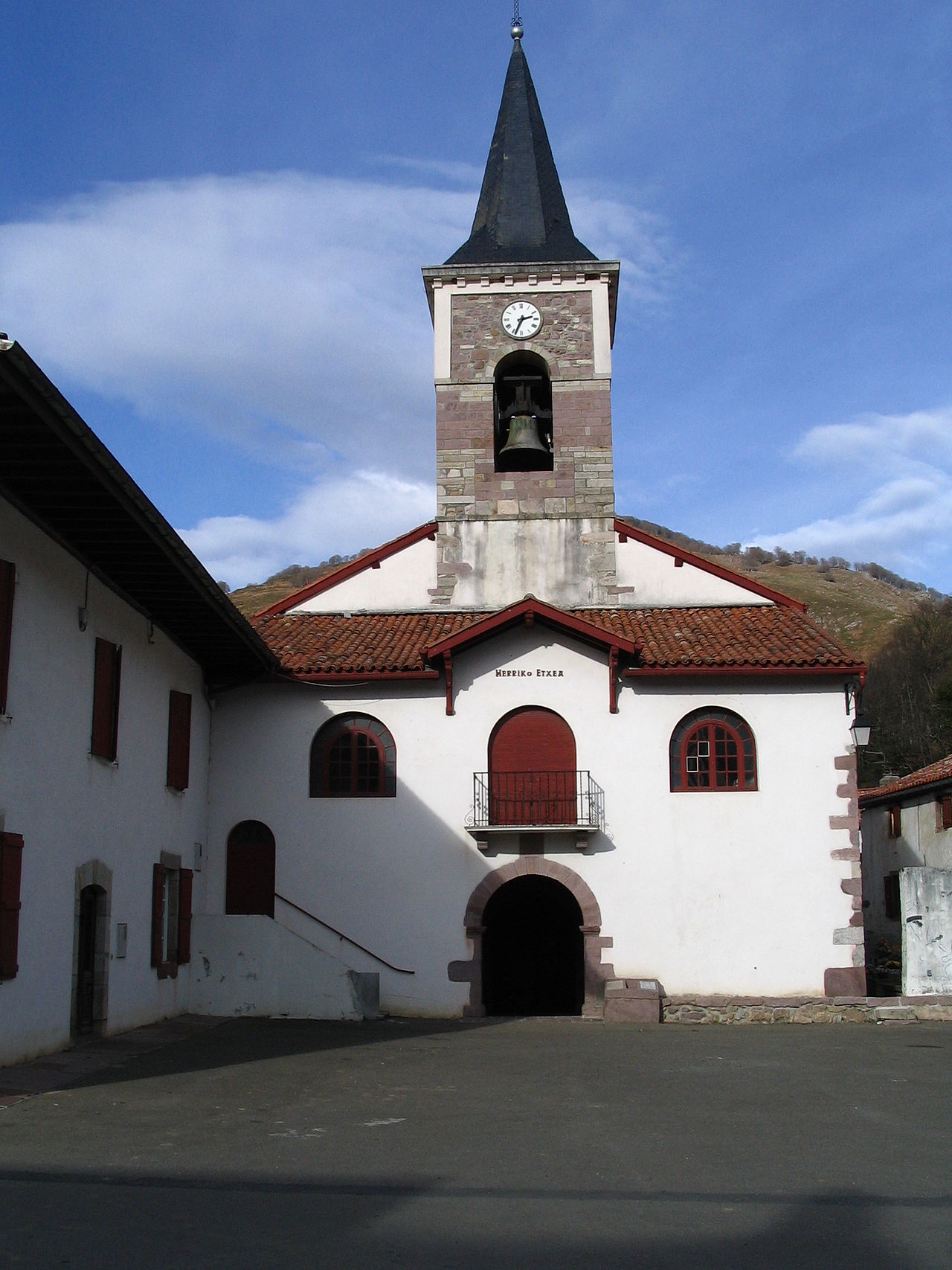


Geography and setting
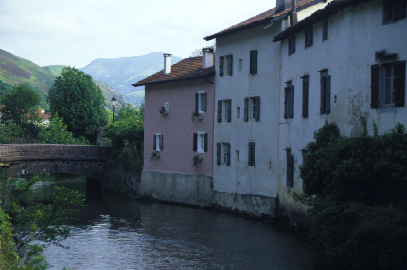
The village sits in a narrow valley drained by mountain streams that feed larger rivers to the west. Its position close to the Spanish border places it within easy reach of highland passes and traditional transhumance routes. Local architecture tends to follow Basque vernacular patterns: stone houses with painted woodwork, steep roofs and small plots of agricultural land clustered around the main street.
History and culture
Aldudes shares the long rural history of the Basque valleys: small-scale pastoral farming, seasonal movement of flocks, and a bilingual cultural landscape where Basque traditions and the French administrative system intersect. Historical ties link the valley to neighbouring communities across the border, and many local customs — music, dance, and festivals — reflect that cross-border Basque heritage.
Today the commune is valued for its living traditions and community events that celebrate food, livestock and Basque craft. Local produce commonly includes artisanal meats, cheeses and other mountain products; these items are part of the valley economy as well as cultural identity.
Activities and local economy
- Livestock farming and seasonal grazing remain important sources of income.
- Outdoor recreation: hiking, fishing and nature observation draw visitors to the valley.
- Small-scale tourism and farm-direct sales support local artisans and producers.
Although modest in size, Aldudes is representative of many Pyrenean Basque communes: geographically distinct, culturally active and closely tied to traditional mountain livelihoods. For readers seeking more administrative or travel details, regional guides and departmental resources provide up-to-date practical information about access, accommodation and events.
Tags
Related articles
Author
AlegsaOnline.com Aldudes (commune in the French Basque Country) Leandro Alegsa
URL: https://en.alegsaonline.com/art/2239