
London Underground (the Tube)
The London Underground, nicknamed the Tube, is the world's oldest underground railway. It links central London with suburbs across a mixed network of deep-level tunnels and surface lines serving around 270 stations.
Overview
The London Underground is a rapid transit network that serves the Greater London area and parts of the neighbouring counties. Often called the "Tube" because of the circular cross-section of many deep-level tunnels, it opened in 1863 and is recognised as the earliest underground railway in the world. Today the system links roughly 270 stations across more than 400 kilometres of track and combines deep-level, cut-and-cover and surface sections; about half of its route runs above ground. For more on London’s transport authorities see official transport resources.
Image gallery
10 Images




History and development
The first section operated as the Metropolitan Railway in 1863, using steam locomotives in tunnels built by the cut-and-cover method. Over the late 19th and early 20th centuries the network grew with both sub-surface lines and new deep-level tube tunnels bored with tunnelling shields. Electrification, new rolling stock and coordinated route planning gradually replaced steam and expanded services. The Underground’s early pioneering model influenced later systems such as New York and Madrid. For background on the original line see first underground railway.
Network, tunnels and stations
The network is a mixture of engineering types: deep bored tunnels, shallower covered tunnels and surface alignments. Its route length and the number of stations make it one of the most extensive urban railways in Europe. Infrastructure includes complex junctions, depots, ventilation and access shafts, and the modern signalling and control centres that manage service frequency. Official statistics and technical summaries are available via network data sources.
Operation, ridership and services
Services run day and night on some lines and are busiest during weekday peak hours. The system has long been central to London’s economy and daily life, carrying hundreds of millions of journeys each year — for example passenger totals exceeded one billion journeys in the mid-2000s. Ticketing, accessibility and service patterns have evolved with contactless payment, station upgrades and rolling modernisation projects; for recent ridership figures see ridership reports.
Rolling stock, design and cultural impact
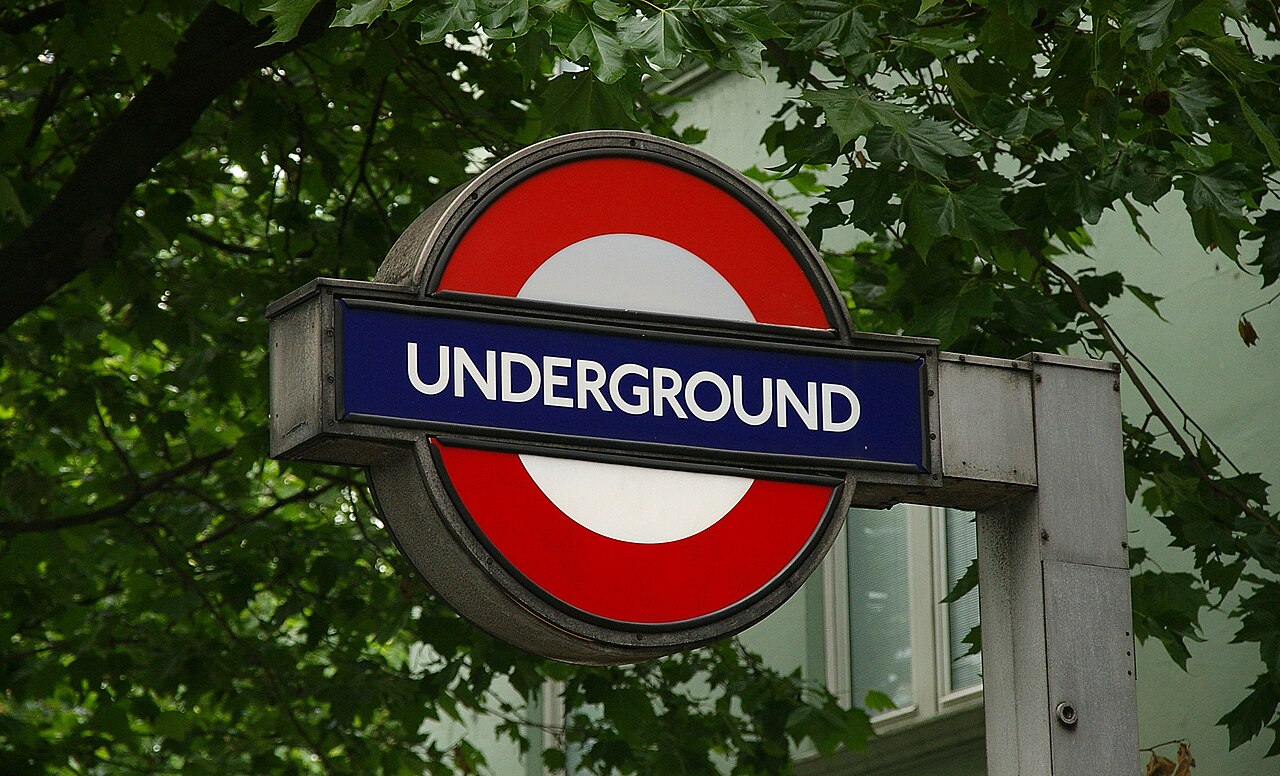
Trains on the Underground vary by line: deep-level "tube" trains are smaller in cross-section than sub-surface stock, which resemble mainline suburban trains. Many stations retain historic architectural features while others have been extensively refurbished. The network’s signage, the roundel logo and the schematic network map are widely recognised design icons. The Tube’s name and form are often compared to other British and international systems such as the Tyne and Wear Metro in North East England, the Glasgow Subway, and subway systems in North America.
Notable features and distinctions
- The Underground is historically significant as the first urban subterranean railway and a model for later metros worldwide.
- It mixes deep-bore tube lines and sub-surface routes, producing varied rolling stock and station types.
- Ongoing modernisation programmes address capacity, signalling and accessibility while preserving many heritage elements.
Questions and answers
Q: What is the London Underground?
A: The London Underground is a system of electric trains in London, UK. It is the oldest underground railway in the world and started running in 1863 as the Metropolitan Railway.
Q: How long has it been running?
A: The London Underground has been running since 1863.
Q: Is it called something else?
A: Yes, it is sometimes referred to as "The Tube" because some of its lines are round tubes running through the ground.
Q: How many stations does it serve?
A: The London Underground serves 270 stations and over 408 km of track.
Q: How many passengers used it from 2006 to 2007?
A: From 2006 to 2007 over 1 billion passengers used the underground.
Q: Are there other similar systems around the world?
A: Yes, there are other similar systems around the world which may be called metros (like Tyne and Wear Metro) or subways (Glasgow Subway). Subway is also used across Britain to refer to underground walkways.
Related articles
Author
AlegsaOnline.com London Underground (the Tube) Leandro Alegsa
URL: https://en.alegsaonline.com/art/59060
Sources
- static.scribd.com : "Corporate identity—colour standards"
- tfl.gov.uk : "Performance: LU Performance Data Almanac"
- tfl.gov.uk : "London Rail & Tube Services Map"