
Canadian Army (Land Force Command)
The Canadian Army is the land force branch of the Canadian Armed Forces. This article summarizes its role, organization, history, operations, equipment types, and traditions.
The Canadian Army, historically known as Land Force Command, is the land component of the Canadian Armed Forces and is responsible for ground operations, domestic assistance and expeditionary deployments. It combines full‑time (Regular Force) and part‑time (Primary Reserve) personnel and works with the Royal Canadian Navy and Royal Canadian Air Force as part of a unified defence structure. The service supports government objectives at home and abroad, including defence of Canadian territory, disaster relief, and coalition operations.
Image gallery
10 Images




Structure and principal elements
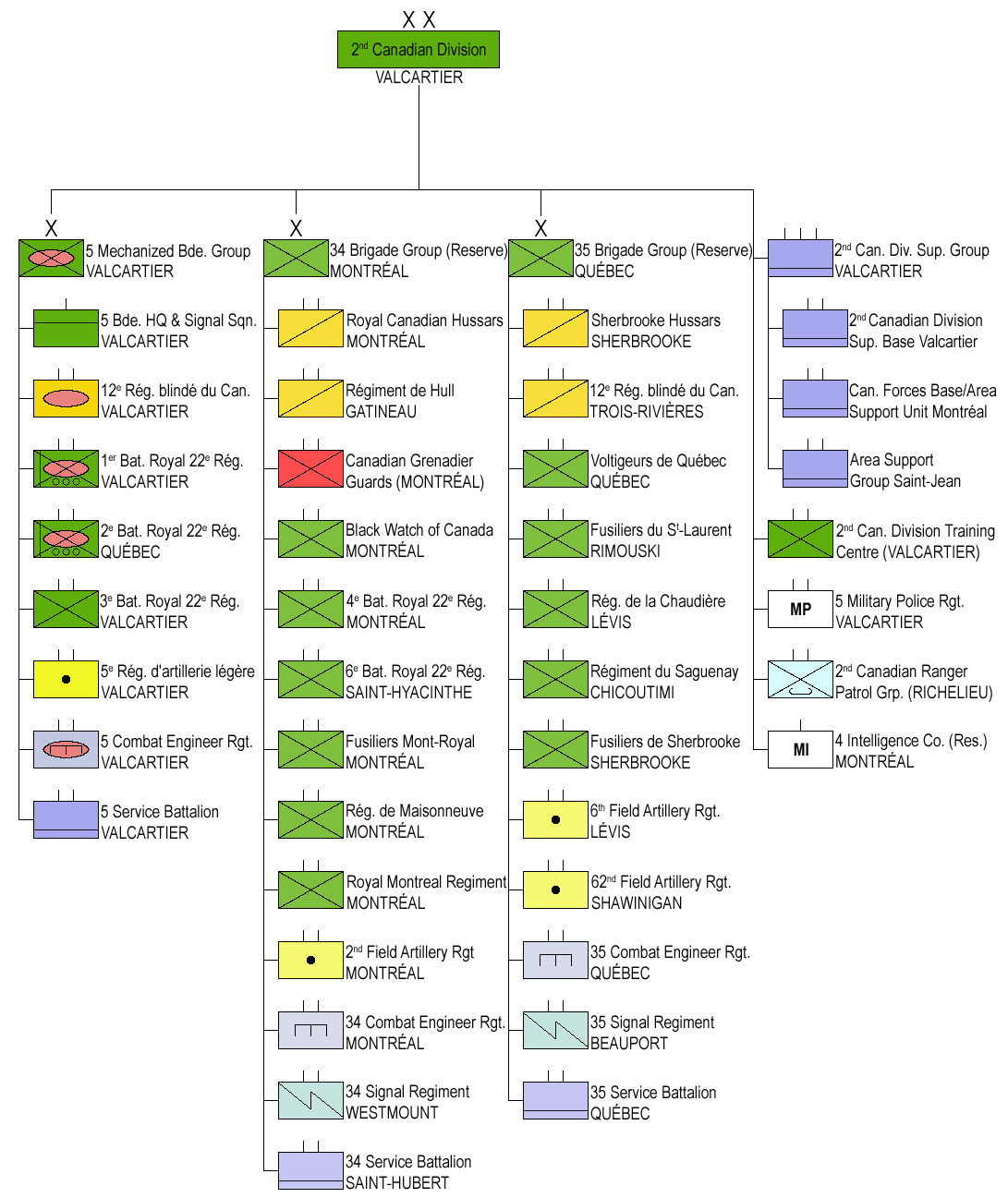
The Army is organized into formations and units distributed across Canada, with a mixture of combat, combat support and combat service support branches. Key types of units include:
- Infantry — foot and mechanized soldiers forming the core maneuver element; Infantry units provide close combat capability.
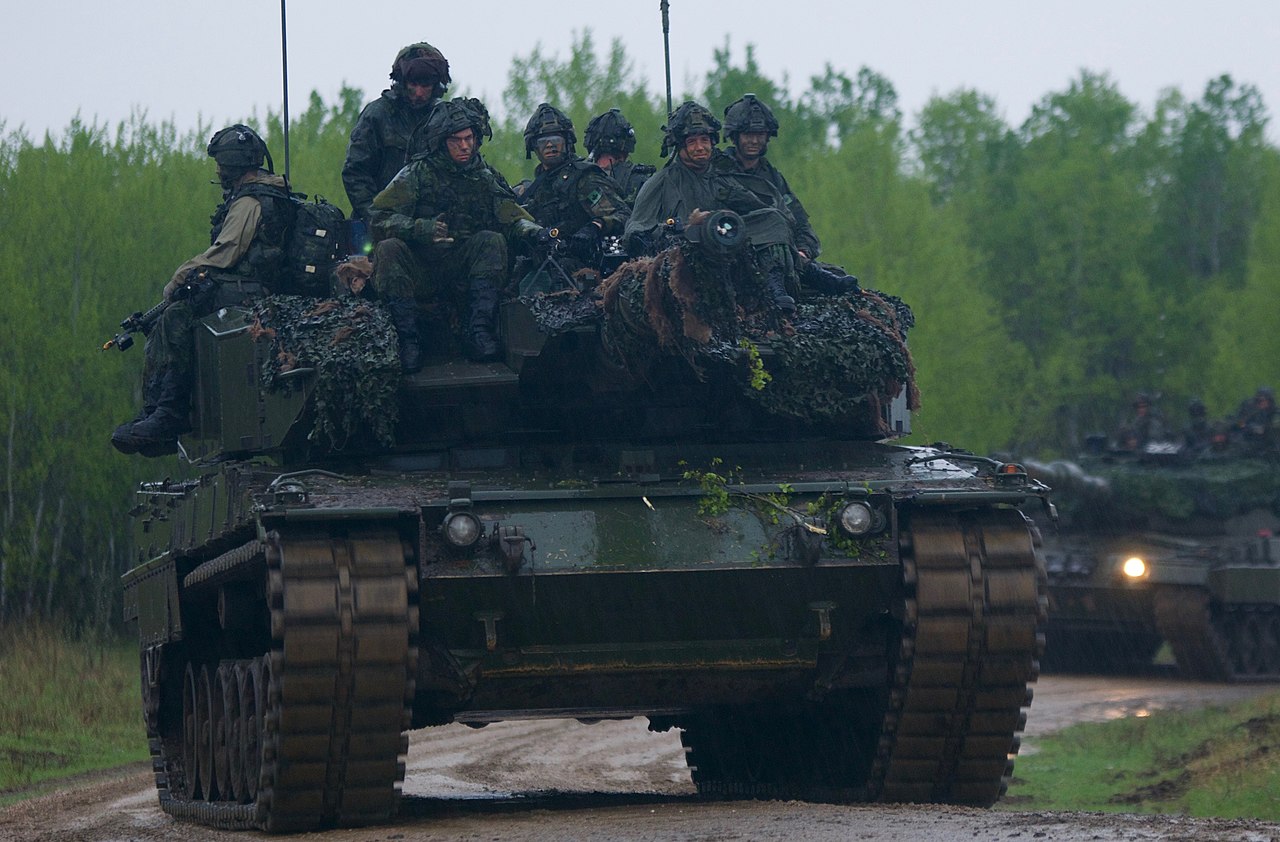
- Armour — armoured reconnaissance and main battle tanks that give protected mobility and firepower; examples include modern main battle tanks and wheeled armoured vehicles such as LAVs and tanks.
- Artillery — indirect fire support units equipped with howitzers, mortars and other fire systems; see artillery for the role of these formations.
- Engineers, signals, medical and logistics — branches that enable mobility, communications, health care and sustainment for operations.
History and development
The Army traces its roots to colonial militias and volunteer units raised in the 19th century. It gained a distinct national identity through major contributions to the First and Second World Wars and to later conflicts such as the Korean War. In 1968 the Canadian military was reorganized into a unified force and the land element was known as Land Force Command for several decades; the historic designation "Canadian Army" was officially restored in the early 21st century. Over time the force has adapted to new technologies, NATO commitments, peacekeeping and expeditionary missions.
Operations and roles
Operationally, the Canadian Army has supported large conventional wars, peacekeeping operations, NATO deployments and more recent expeditionary missions. It also plays a prominent domestic role, assisting civil authorities during floods, wildfires and other emergencies. Training exercises, interoperability with allied forces and contributing forces to multi‑national operations are routine tasks.
Equipment and capabilities
Equipment ranges from personal weapons and light armoured vehicles to heavy arms such as main battle tanks and indirect fire systems. The Army emphasizes mobility, protection and joint operations with air and naval elements. Modernization programs periodically update vehicles, communications and surveillance capabilities to meet changing threats.
Traditions, identity and notable facts
The Canadian Army maintains regimental traditions, ceremonies and bilingual customs reflecting Canada’s English and French heritage. It is sometimes referenced simply as the Canadian Army in public discourse. The force includes both Regular Force soldiers and Primary Reserve members, together forming tens of thousands of personnel who serve in peacetime, crisis response and combat roles. Its history of service in world conflicts, peacekeeping and coalition operations remains a defining aspect of Canadian military identity.
Related articles
Author
AlegsaOnline.com Canadian Army (Land Force Command) Leandro Alegsa
URL: https://en.alegsaonline.com/art/16449